
White Sands National Park guides
11 in-depth guides to White Sands National Park, in reading order: what to see, how to get around, and what to know before you go. Back to the White Sands National Park overview.
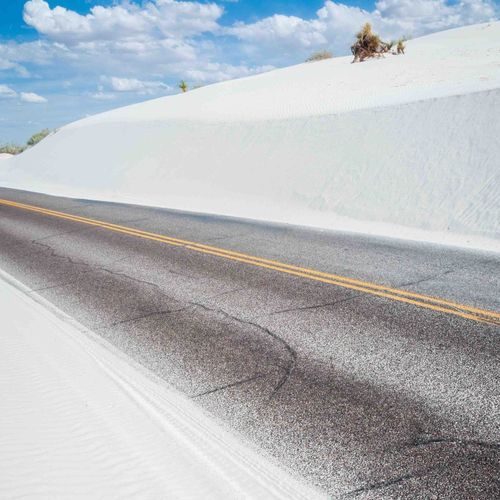
Dunes Drive: The Park's Only Road
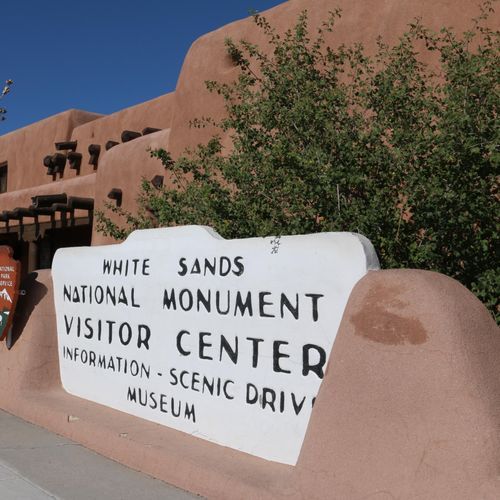
Dunes Drive is the park's only road. It starts at the visitor center and runs eight miles one way into the heart of a gypsum dunefield spanning 275 square miles, the largest of its kind in the world.
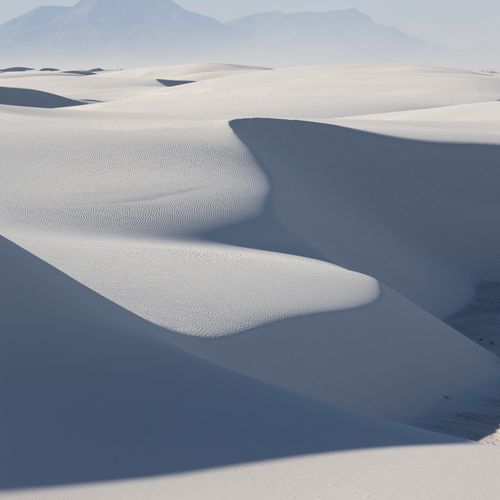
March Crowds, Quiet Winters, 100°F Summers
The busiest months at White Sands are March and July, when more than 60,000 visitors arrive each month, or about 2,000 people a day.
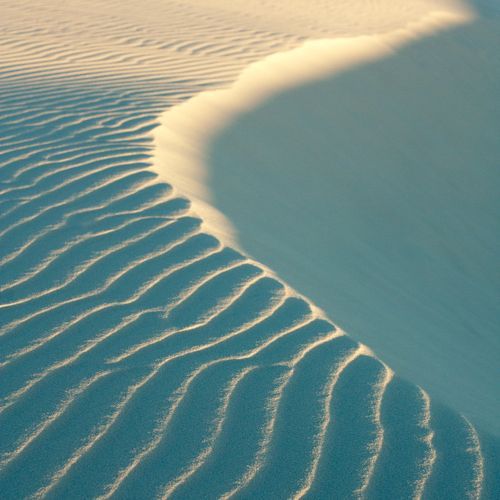
The World's Largest Gypsum Dunefield
The dunes here cover 275 square miles of the Tularosa Basin in southern New Mexico, making this the largest gypsum dunefield in the world.
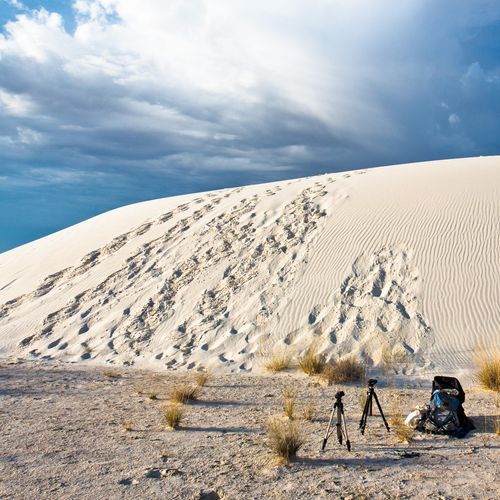
Alkali Flat and the Park's Five Trails
The Alkali Flat Trail is the toughest of the park's five established trails. It is a strenuous five-mile round trip that takes about three hours on average.
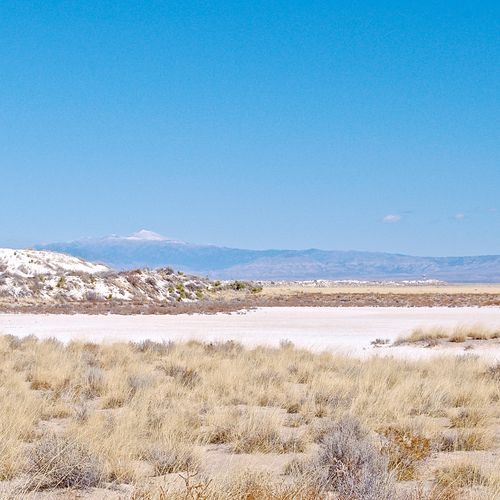
Sand Sledding at Roadrunner and Alkali Flat
Sand sledding is one of the most popular ways to enjoy the gypsum dunes, which form the world's largest gypsum dune field.
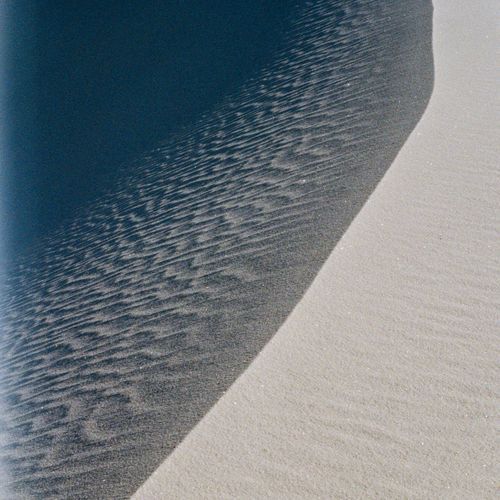
Full Moon Nights on the Dunes
Full Moon Night brings a different rhythm to the dunes after dark. The evening can feature live performers, ranger-led programs, and visiting presenters, all taking place while the moon lights the sand.
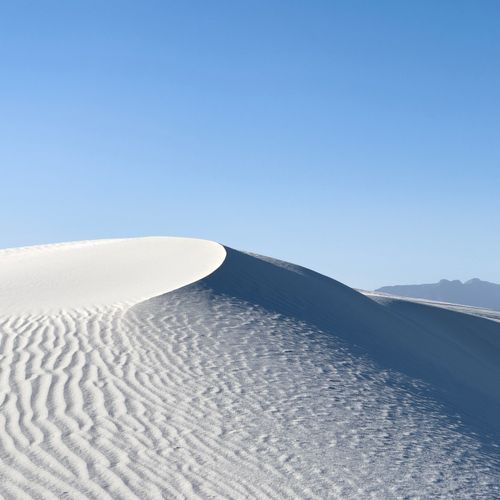
From Permian Seas to Selenite: Gypsum Origins
During the Permian Period, shallow seas spread across the land that now holds White Sands National Park.
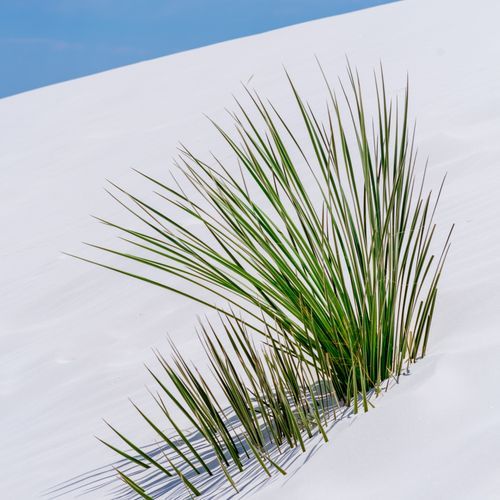
Bleached Lizards and Endemic White Sands Species
After dark is when much of the wildlife at White Sands comes out, a pattern that helps animals keep clear of both the midday heat and hunters.

Missile Range Closures and the Trinity Site
The White Sands Missile Range is a military testing ground established in 1945, and it lies adjacent to the national park.
No Overnight Stays: Planning Around Closures
Backcountry camping is closed for now while the camping sites are rehabilitated. No reopening date has been announced, so there is currently no way to spend a night in the park.
The WPA-Built Historic Visitor Center
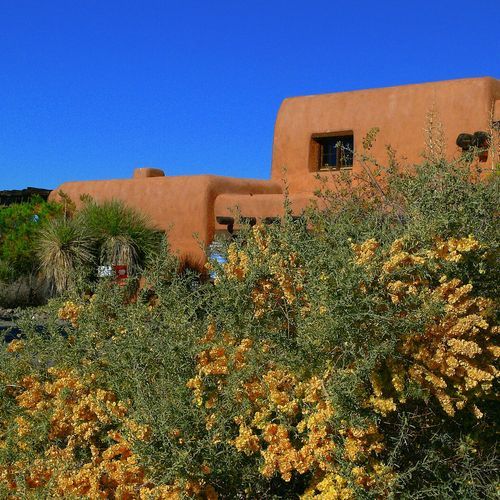
The visitor center at White Sands was built between 1936 and 1940, when the Great Depression brought heavy federal spending on public works.
