White Sands National Park guide · 1 min read
March Crowds, Quiet Winters, 100°F Summers
The busiest months at White Sands are March and July, when more than 60,000 visitors arrive each month, or about 2,000 people a day.
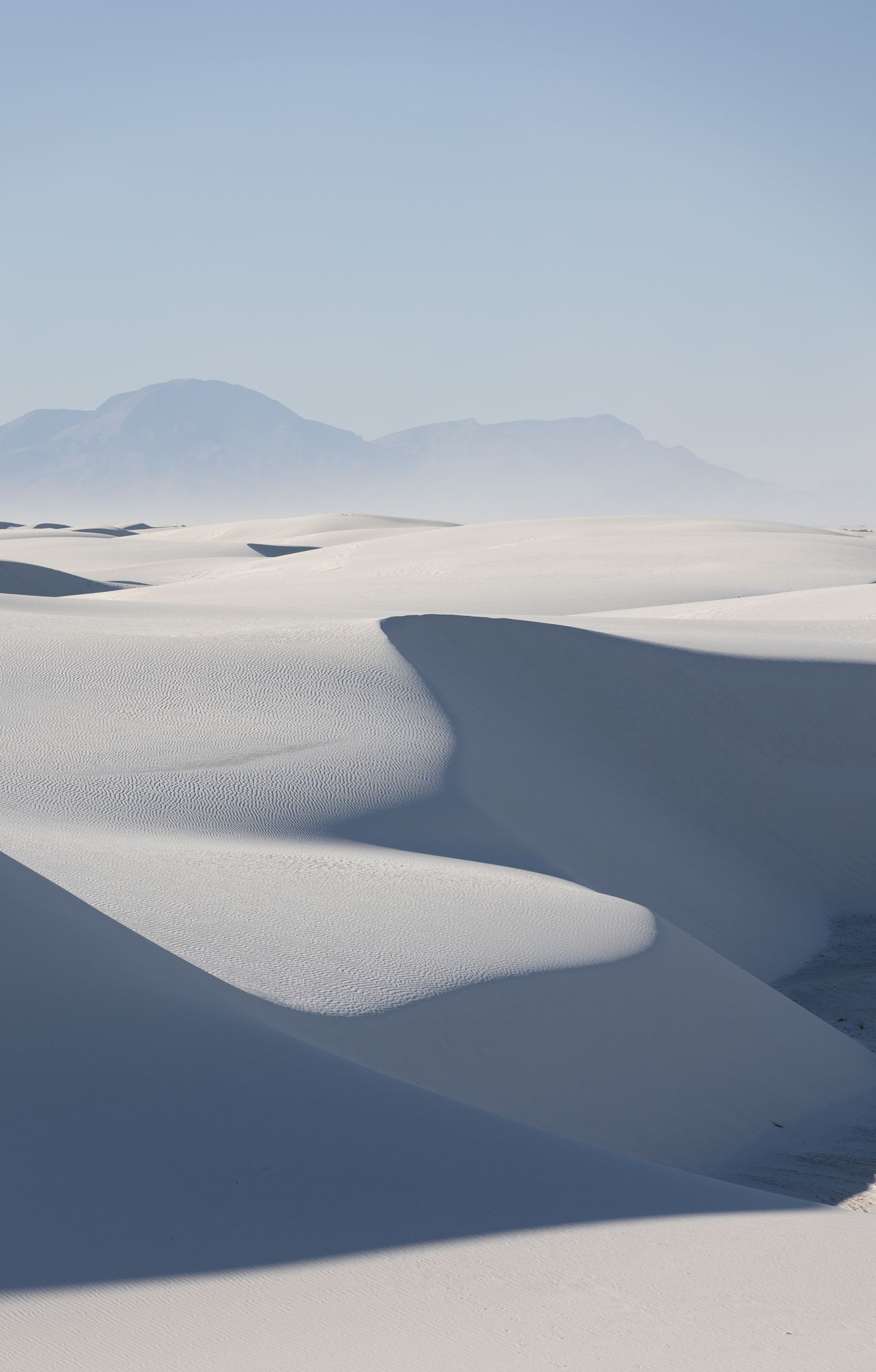
If you would rather have the dunes to yourself, aim for November through February. Those months see fewer than 30,000 visitors each, or under 1,000 a day. Sledders and photographers do come out to the dunes all year, though.
Winter is the quiet season, and it is cold. Daytime highs usually sit in the 60s, but nights often drop to around 30 degrees and can fall below freezing. Snow is rare, although an occasional winter storm may bring some rain and a small amount of snow. Evenings are cold, so bring a jacket, because the temperature drops once the sun sets.
Summer is the opposite. Afternoon highs average close to 100 degrees, and some days climb to 110. The rainy season runs from early July into late September, and thunderstorms are most frequent in July and August, often arriving in the late afternoon and evening. Storms can roll in fast, so keep an eye on the sky.
Wind shapes the park from February through May, and dust storms are common during those months. Spring is the driest time to visit, with daytime temperatures averaging about 75 degrees. Glare off the pale sand means sunscreen belongs on any exposed skin, winter included, and a hat and sunglasses are worth packing.
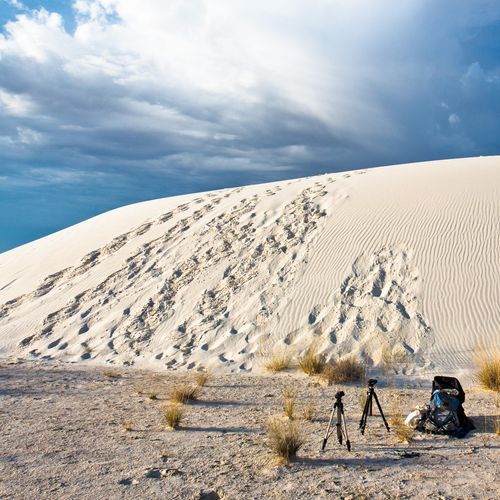
Sledders ride the dunes throughout the year, and sledding is common at the Alkali Flat trailhead. Sunset is among the most popular times to visit, and ranger-guided sunset strolls run every evening of the year. Each member of your group should carry a liter of water on the sunset stroll, and temperatures fall quickly after dusk, so pack a warm layer.