Wind Cave National Park guide · 2 min read
Lakota Emergence Place: Wind Cave's Sacred Story
For the Lakota, this cave marks the spot where their people came up from the underworld. They knew it first as Washun Niya, and it holds the story of Tokahe, who was the first human to step out of the cave.
His journey sits at the center of Lakota origin accounts. Their oral tradition also tells of a spirit lodge beneath the ground, where the people lived before the world was formed.
For a cave this long and tangled, openings to the surface are rare, and even the largest natural one measures only about ten inches across. You can see it without joining a tour, and a visit takes about ten to twenty minutes. Air moves inward through the opening, which is why modern Lakota speakers call the place Maka Oniye, meaning breathing earth. Many native peoples regard this small hole as deeply spiritual, and it is honored as the birthplace of the Lakota nation.
People have lived around the cave for thousands of years. When European settlers arrived, the Lakota and Cheyenne were living in the area and drew food from the land above the cave. Because the site held such deep meaning and its opening is so small, no Native Americans are known to have gone inside.
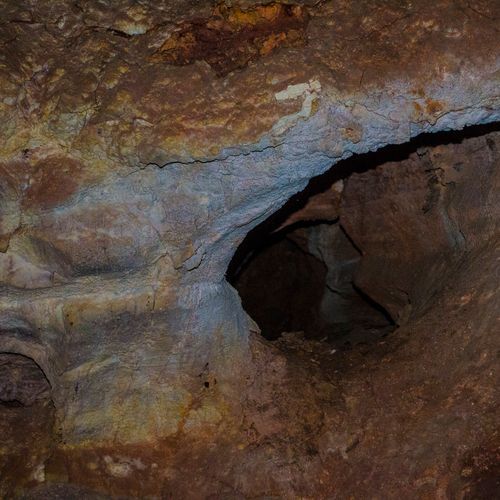
Underground, the cave ranks third among the longest in the United States, and it is best known for boxwork. Thin blades of calcite formed a grid that resembles a honeycomb. Slow erosion of the surrounding rock later exposed those calcite veins. Roughly 95 percent of the boxwork discovered in the world is found here.
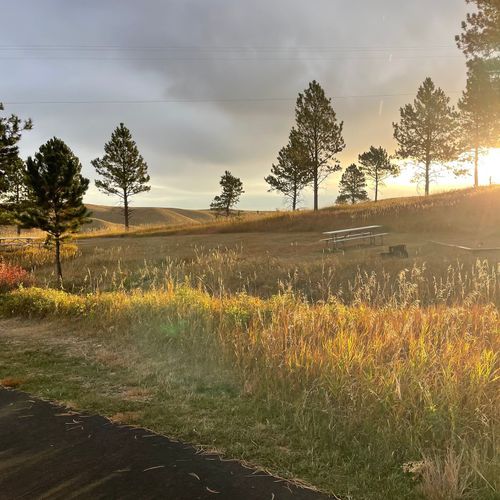
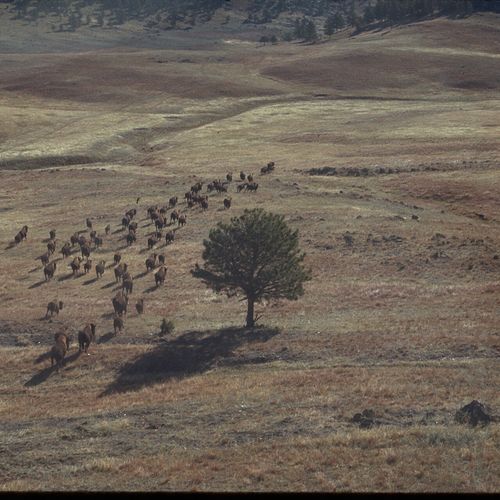
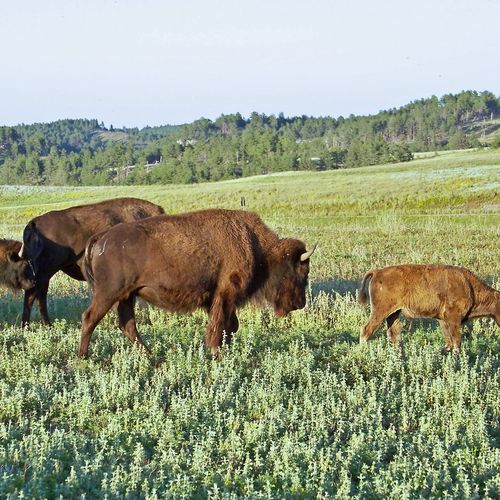
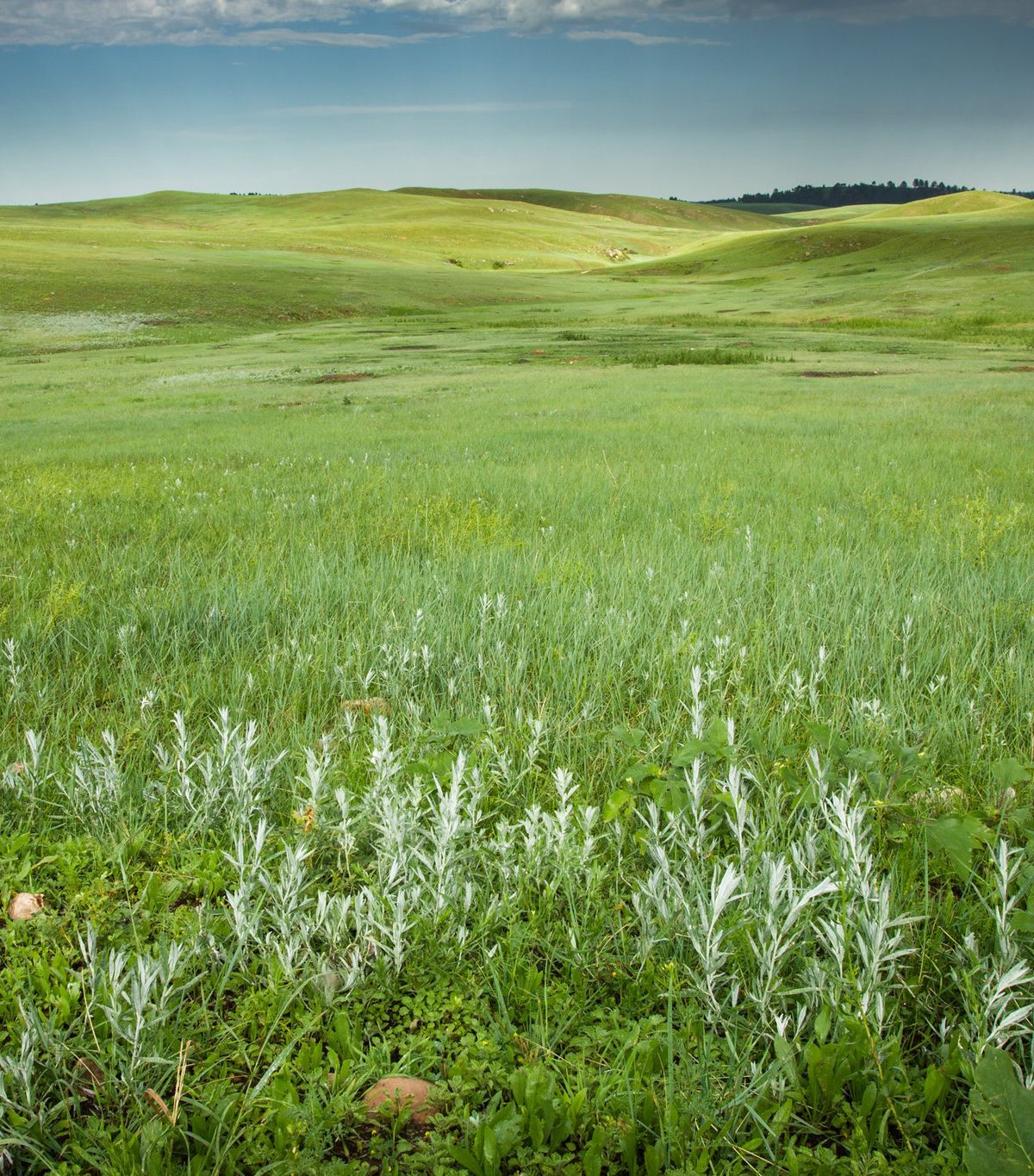
The land over the cave is mixed-grass prairie, and the park safeguards one of the biggest stretches of it anywhere in the nation. Bison and elk share that grassland with prairie dogs, pronghorns and coyotes. Few national parks offer better wildlife watching, and in some ways this one compares with Yellowstone. The park sits near Buffalo Gap, South Dakota.