Wind Cave National Park guide · 2 min read
Steady Cave, Changing Prairie: When to Visit
All cave access is by ranger-guided tour, and the cave holds a steady 54 degrees, so going underground makes sense in any season.
You can reserve tickets ahead online, but they tend to sell out quickly in summer. Standard tours run first come, first served, while the Candlelight and Wild Cave tours are worth planning for early. The Candlelight tour uses wax candles instead of modern lights, and the Wild Cave tour involves crawling through tight spaces. Visitors without advance tickets can buy them at the visitor center.
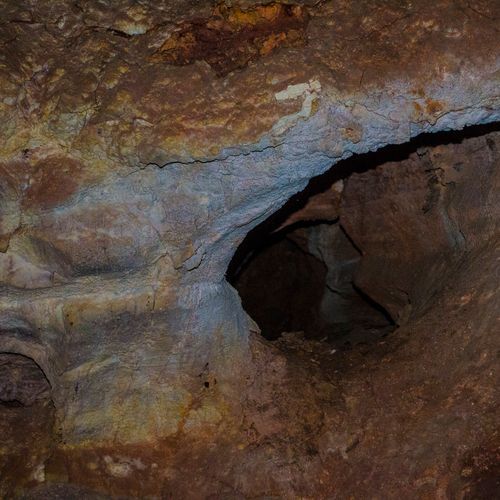
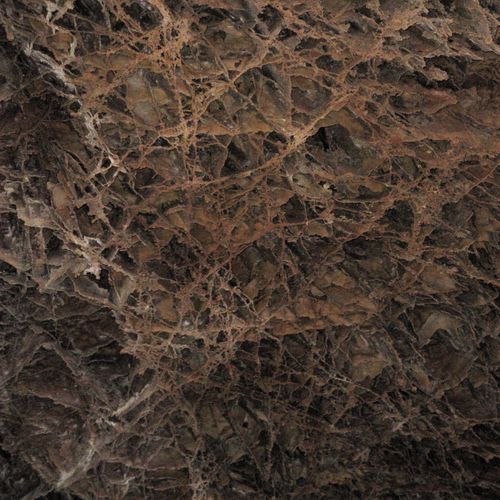
The cave's name comes from a sprawling underground chamber and a web of winding passages. Unlike many caves, it has no stalactites or stalagmites. Its boxwork formations are the main draw, and visitors also see cave popcorn and a few examples of flowstone. On the Garden of Eden tour, you reach a paleofill, an ancient landslide, and few cave systems in the world contain one.
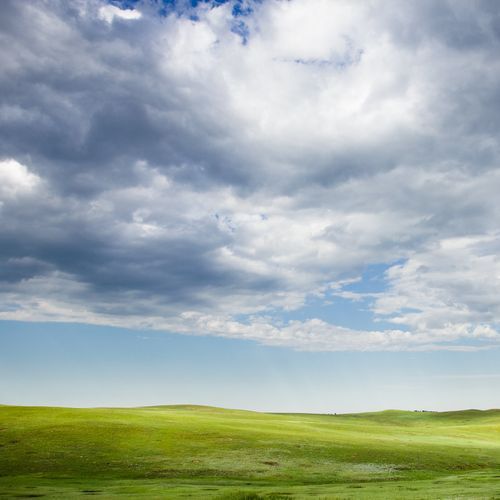
Above ground, the land opens into one of the biggest prairies in the country, a sweep of grass and low, rolling hills. Spring and fall bring daily highs from the 50s to the 70s. Summer highs run from 85 to 90 degrees with cooler nights, and June, July, and August are the wettest months. Winter is the driest season, with daily highs in the high 30s to low 40s and light snow possible.
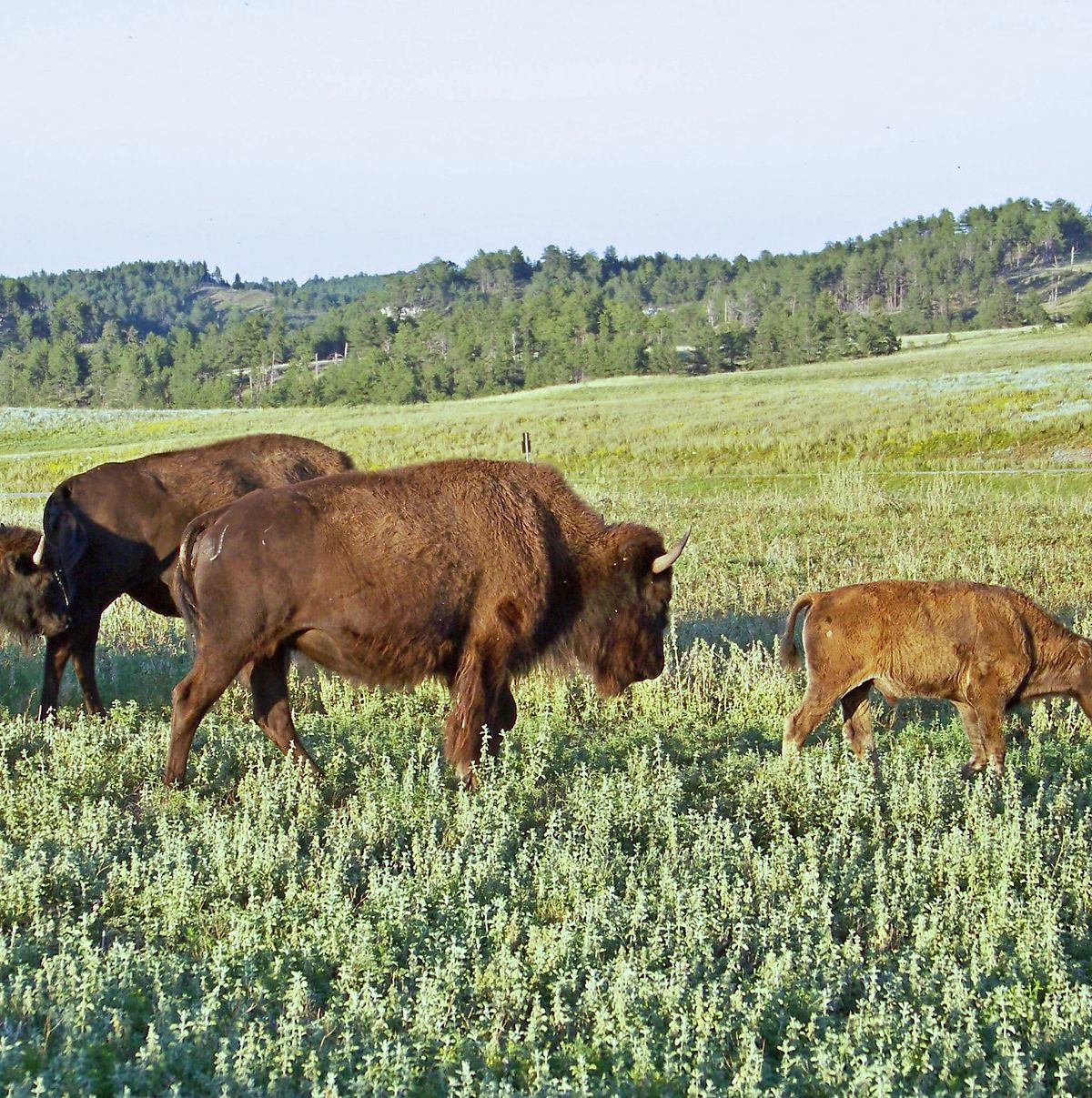
Wildlife viewing is good on quieter surface trails, where you can spot bison and noisy prairie dogs, and pronghorn and elk also roam the park. Hiking is a good way to spend time above ground. Lookout Point Trail and the Centennial Trail Loop are short options, and Rankin Ridge Trail is another. In summer, hike the longer route early before the heat builds, then take a midday cave tour. In spring and fall, take the cave tour first and hike in the afternoon.