Wind Cave National Park guide · 2 min read
The Breathing Cave and Its Natural Entrance
The natural entrance is the spot where the cave appears to breathe, and it is one of the few openings Wind Cave has to the surface.
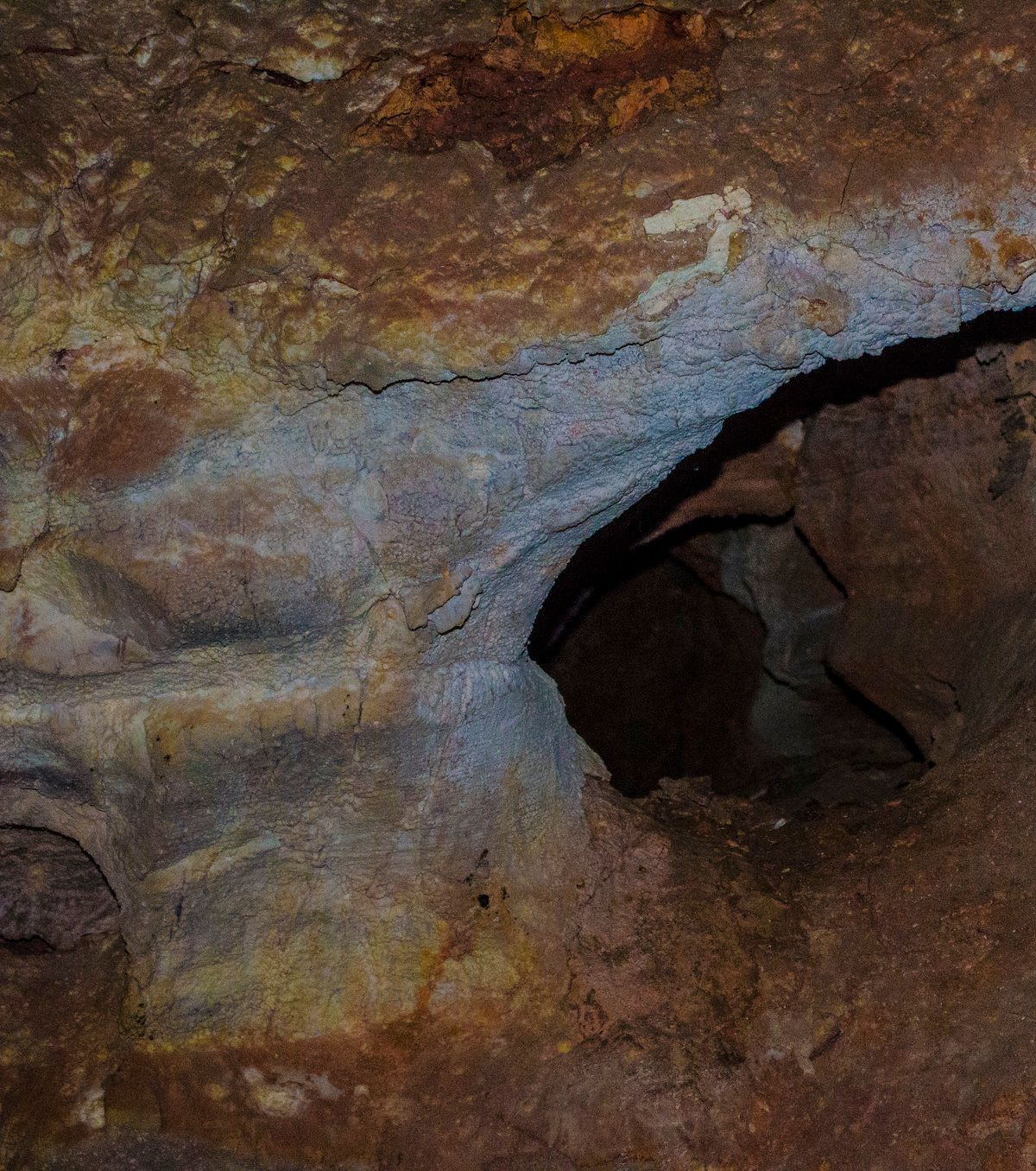
The biggest natural opening measures roughly ten inches across. You can see it without a cave tour.
Wind Cave is among the best known breathing caves. Air moves through the opening because barometric pressure inside the cave and outside keeps shifting. When outside pressure is higher, air is drawn in; when it drops below the cave's, air flows out and can stir nearby plants. Low pressure tends to come with precipitation, so the moving air can offer clues about the weather.
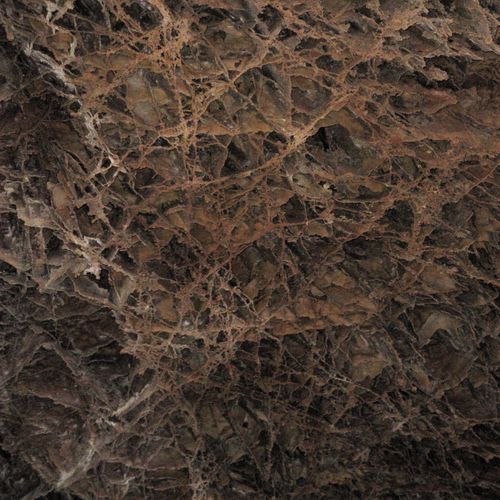
Measured by how much passage fits into each cubic mile of rock, Wind Cave is the most densely packed cave system anywhere. Its explored passages total more than 168 miles. Boxwork, the cave's signature formation, is made of thin calcite blades that grew into box-like or honeycomb patterns after the surrounding limestone wore away. Roughly 95 percent of boxwork known anywhere is inside this cave.
The Lakota regard the entrance as a sacred site and the birthplace of their nation. In modern Lakota the site is called Maka Oniye, a phrase meaning breathing earth. Their stories place a spirit lodge beneath the ground, where people lived before the world took shape. Many other Indigenous communities also hold the place in deep reverence.
The Prairie Vista Nature Trail leaves from the visitor center and reaches the opening in a minute or two. Past the entrance, it loops one mile back past the visitor center. The Natural Entrance Tour also includes the opening. It covers about two-thirds of a mile in one hour and fifteen minutes, with 300 stairs and some bending and stooping, and is rated moderate. Wheelchair users can reach the entrance by a route from the visitor center that includes a ramp.