Wrangell - St Elias National Park & Preserve guide · 2 min read
Dall Sheep, Mountain Goats and Migrating Caribou
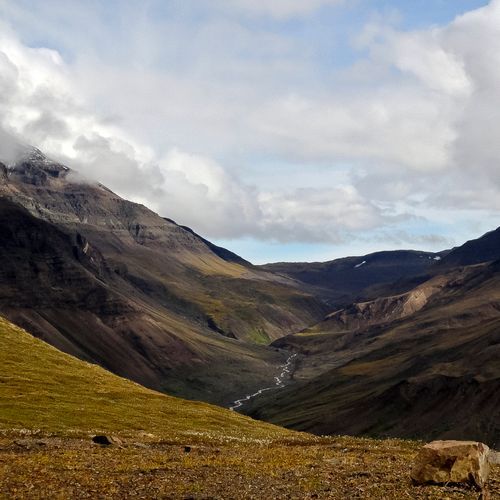
Dall sheep are one of the park's signature animals, with roughly 13,000 living here. Wrangell-Saint Elias supports one of the largest gatherings of them in North America.
Mountain goats share the rugged, remote peaks with the sheep. Look for pale specks on distant slopes and ridgelines, since a patch of white high on a cliff may well be a sheep.
Two caribou herds, the Mentasta and the Chisana, are among the park's large mammals. Each year, once snow starts to melt, fresh growth on the high slopes draws many animals up out of the spruce forests. Climbing also keeps them clear of the mosquitoes and flies that gather at lower elevations in spring and early summer.
Wildlife viewing here goes beyond the sheep. Grizzly and black bears also roam the park, and by autumn they tend to show up along streams where salmon gather to spawn. Roadsides and trails are good spots for smaller residents like beavers, porcupines, foxes, hares and squirrels. Two transplanted herds of wood bison now live in the park, having been moved in from Canada. Most of them range along the Copper River and Chitina River valleys.
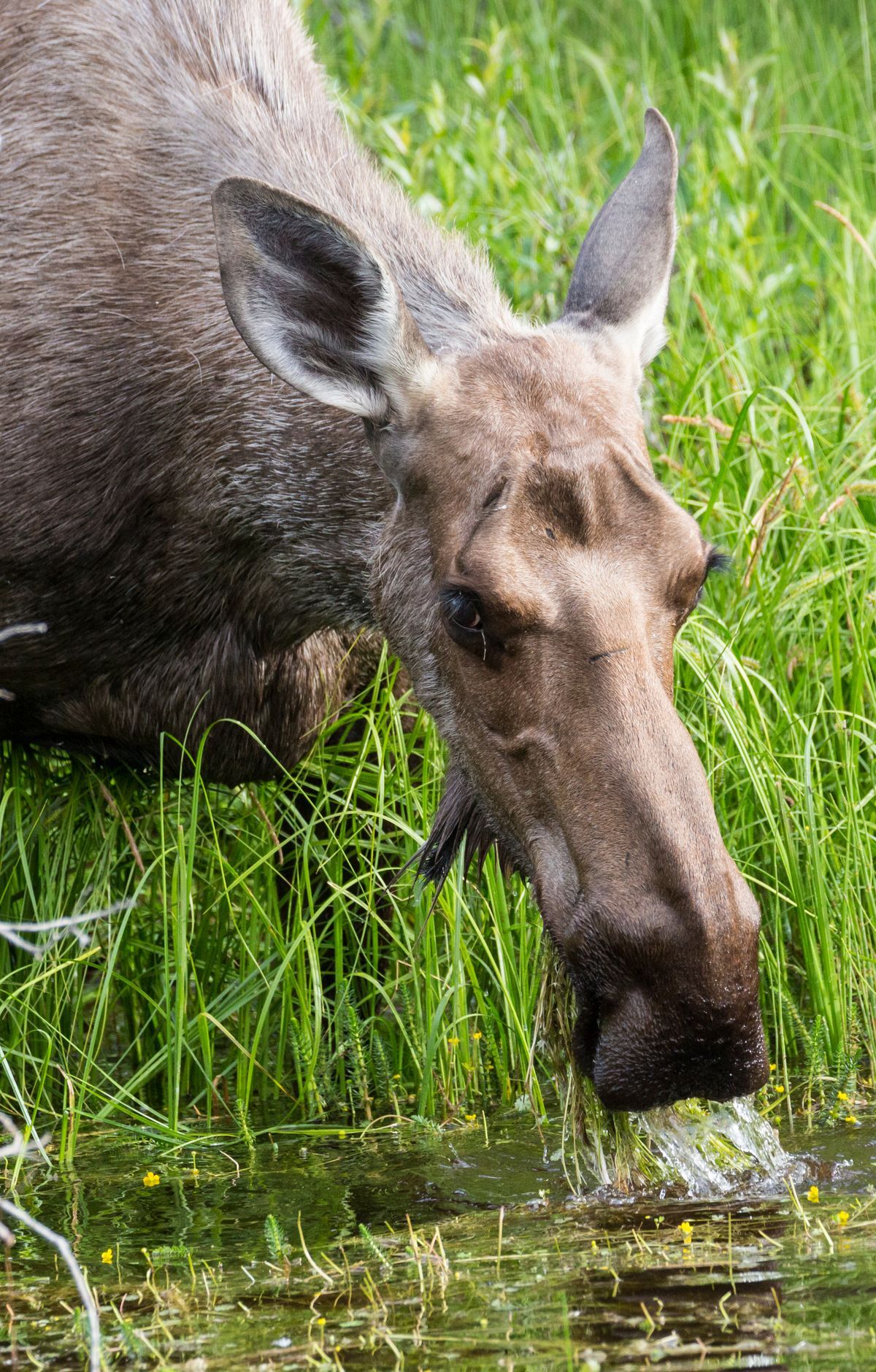
Willow thickets, bogs and pond edges are the places to check for moose, but in summer they blend in and are hard to pick out. Bulls can turn aggressive when approached, and moose cause more human injuries each year than bears do. Keep a good distance, and be especially careful if a cow has calves nearby, since mothers defend their young hard. If a moose has noticed you, speak to it in a calm voice and back away gradually.
Sport hunting takes place in the preserve, and rules differ for people who are not Alaska residents. Nonresident hunters must go with a registered guide to pursue grizzly bear, sheep or goat. Guides work under concession contracts in fifteen guide areas across the preserve.