Wrangell - St Elias National Park & Preserve guide · 2 min read
Fishing Three Regions: Salmon to Arctic Grayling
Fishing in Wrangell-St. Elias National Park and Preserve spans three sport fish regions of Alaska: the Southcentral Region, the Interior Region, and the Southeast Region.
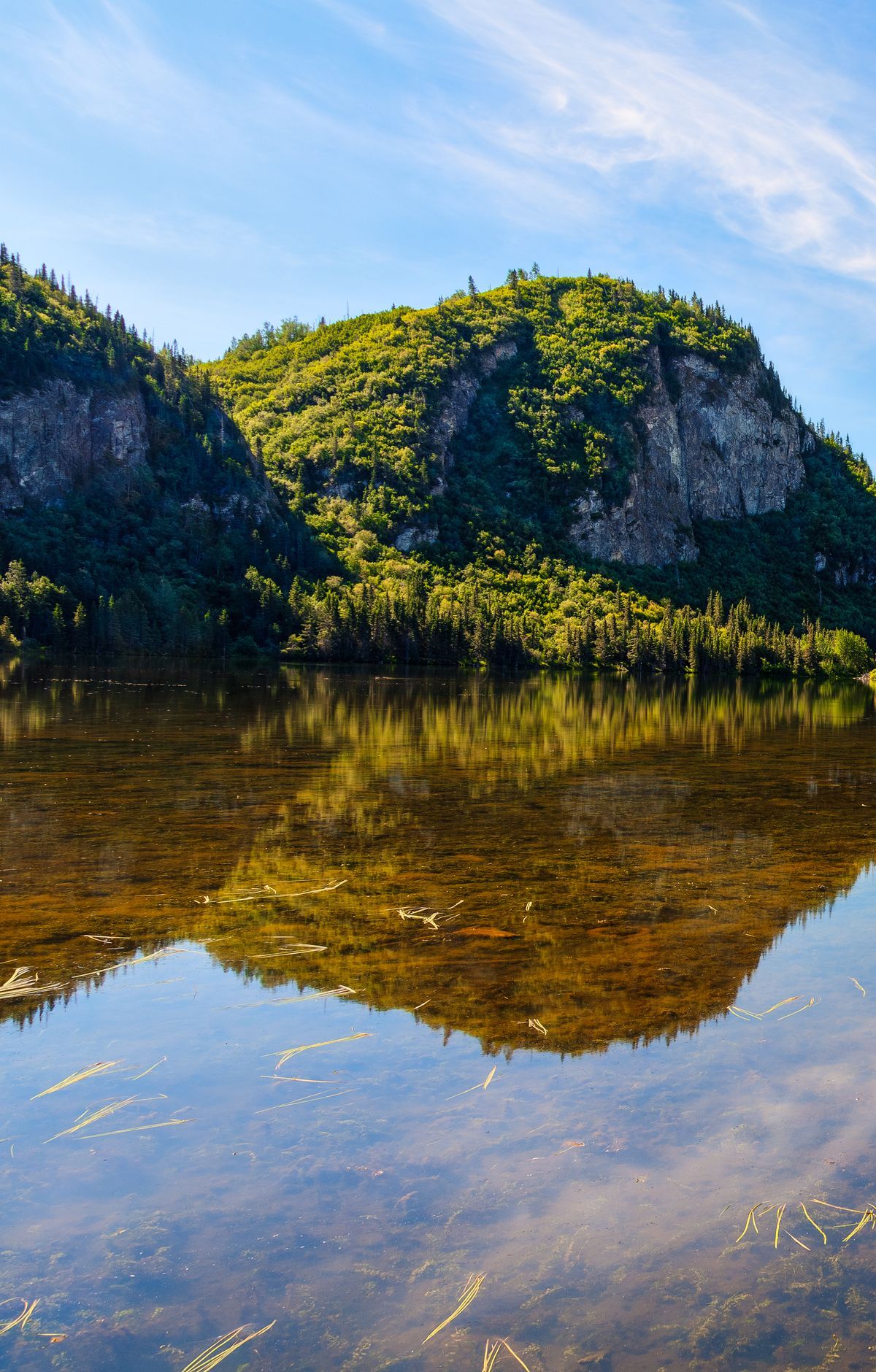
Waters reached by road along Nabesna and McCarthy roads belong to the Upper Copper/Upper Susitna Management Area and the Upper Tanana River Management Area, both in the Interior Region. More remote waters lie in the Yakutat Management Area along the coast.
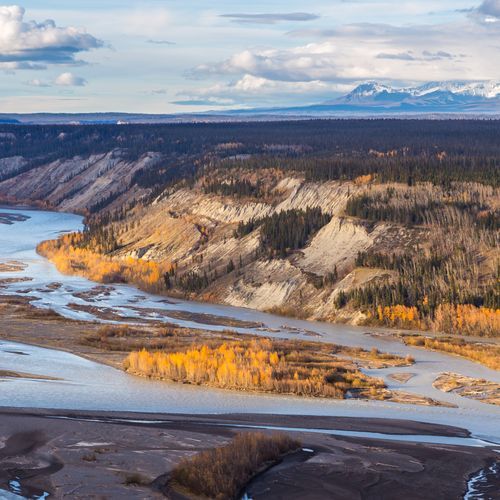
Hundreds of miles of streams drain into two major Alaska river systems, plus many lakes and a wide range of fish. Anglers here most often take whitefish, burbot, lake trout, Arctic grayling, and salmon. Sockeye, coho, and king salmon migrate through the Copper River and most of its tributaries.
Rufus Creek at mile 6 has a primitive campsite, and Dolly Varden may be found in the creek nearby. Twin Lakes at the Kendesnii Campground, at mile 27.8, may yield Arctic grayling, lake trout, or burbot. Jack Creek at mile 35.3 offers another fishing spot and a primitive campsite. On McCarthy Road, try Sculpin Lake, Silver Lake, or Strelna Lake. Along Edgerton Highway, Liberty Falls Creek at mile 25, the three-mile and two-mile lakes at miles 30 and 31, and Chitina Lake at mile 33 are good for rainbow trout, Arctic grayling, and Dolly Varden.
Anglers may fish both the park and the preserve under State of Alaska rules, and lakes and streams are open unless they sit on private property. In National Park Service waters, fish parts used as bait must come from native species. Chumming, meaning dropping bait into the water to draw fish, is not permitted. Fishing is limited to hook and line, the rod or line must stay closely attended, and set lines are not allowed. Bag and possession limits differ by species, so check the current State of Alaska regulations before you go.