Wrangell - St Elias National Park & Preserve guide · 2 min read
Kennecott Mill Town and Its Copper Mines
High in the mountains of the park, the Kennecott Mines National Historic Landmark protects the land and buildings of an early 1900s copper mining operation.
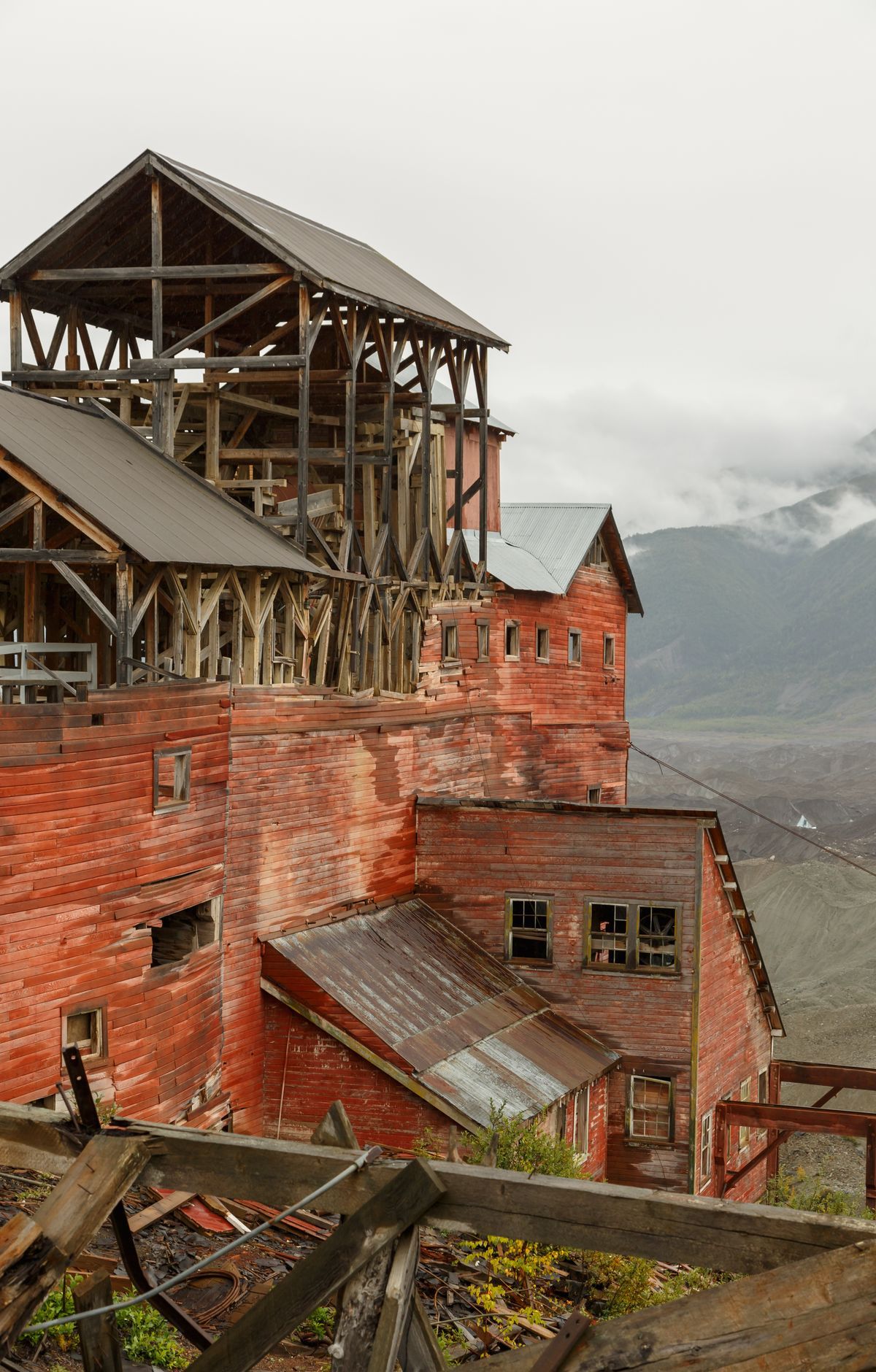
Engineer Stephen Birch acquired the rights to the deposit and drew in investors, among them J. P. Morgan and the Guggenheim family. From 1909 to 1938, the Bonanza, Jumbo, Erie and Mother Lode mines produced more than four million tons of ore, which the mill town processed. The town takes its name from the Kennicott Glacier, though a clerical error changed the spelling to Kennecott.
The Kennecott Mill tour is the most direct way to see how the operation worked. Tours last two hours and move through every level of the fourteen-story mill. Along the way you climb ladders and steep staircases past old mining equipment, with views of the town and surrounding glaciers.
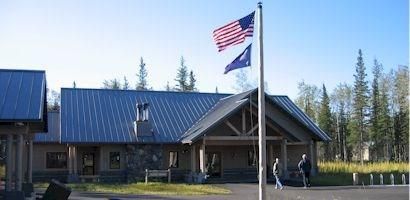
The mines closed in 1938, when the copper ore ran out. Kennecott was abandoned, though a few families stayed on, and it remained a ghost town for several decades. Today many of the old buildings can still be seen on a walk through town, and the Kennecott Visitor Center is housed in the historic Blackburn School. The landmark was listed on the National Register of Historic Places in 1978 and designated a National Historic Landmark in 1986.
The Bonanza Mine Trail is a demanding hike that climbs above the tree line, where the Kennicott and Root Glaciers come into view. It ends at the abandoned Bonanza Mine, with broad views across the park.
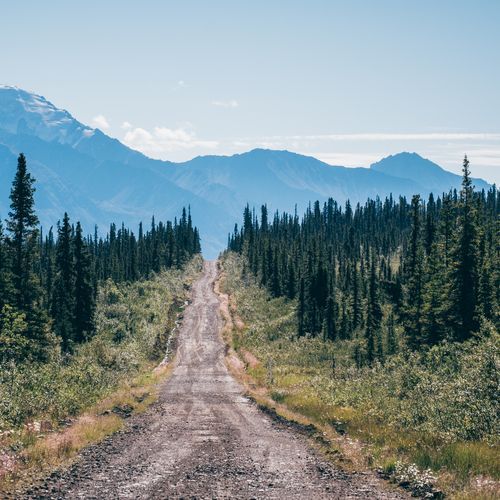
Visitors drive McCarthy Road or fly in with a local air taxi. The road is 59 miles long and follows part of the route of the former Copper River and Northwestern Railway, starting in Chitina and ending a half mile short of McCarthy. The landmark lies about five miles beyond the end of that road.