Wildlife · Mammal · Zion National Park
Mountain Lion in Zion National Park
In Zion National Park, the Mountain Lion is recorded most often in Zion Canyon. Most sightings are recorded in October.
Where can you see Mountain Lion in Zion National Park?
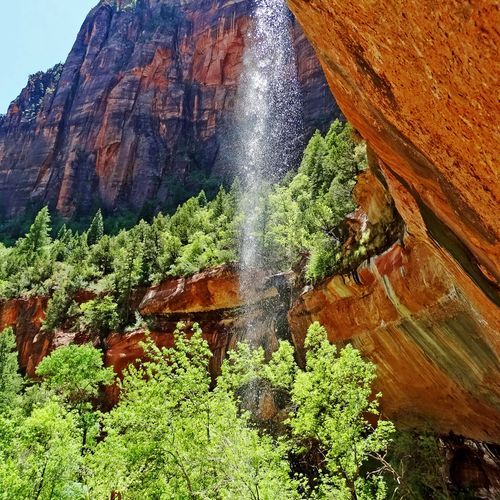
Near Lower Emerald Pool
Zion Canyon · about 0.2 mi away · 68 recorded sightings · Open in Maps
A viewing spot is a place where visitors have photographed and reported the animal many times. Wild animals move: a spot raises your chances, it doesn't promise a sighting. Keep the distance the park asks for.
When is the best time to see Mountain Lion in Zion National Park?
Most sightings are recorded in October.
- January: 0 sightings
- February: 6 sightings
- March: 14 sightings
- April: 8 sightings
- May: 11 sightings
- June: 0 sightings
- July: 5 sightings
- August: 13 sightings
- September: 5 sightings
- October: 25 sightings
- November: 0 sightings
- December: 1 sighting
Recorded sightings in Zion National Park by month, 88 in all. The count follows visitors as well as animals: a quiet month can mean few people were there to report.
Key facts
- Type
- Mammal
- Scientific name
- Puma concolor
- Mapped viewing spots
- 1
- Most sightings
- October
- Recorded sightings
- 88
About the Mountain Lion
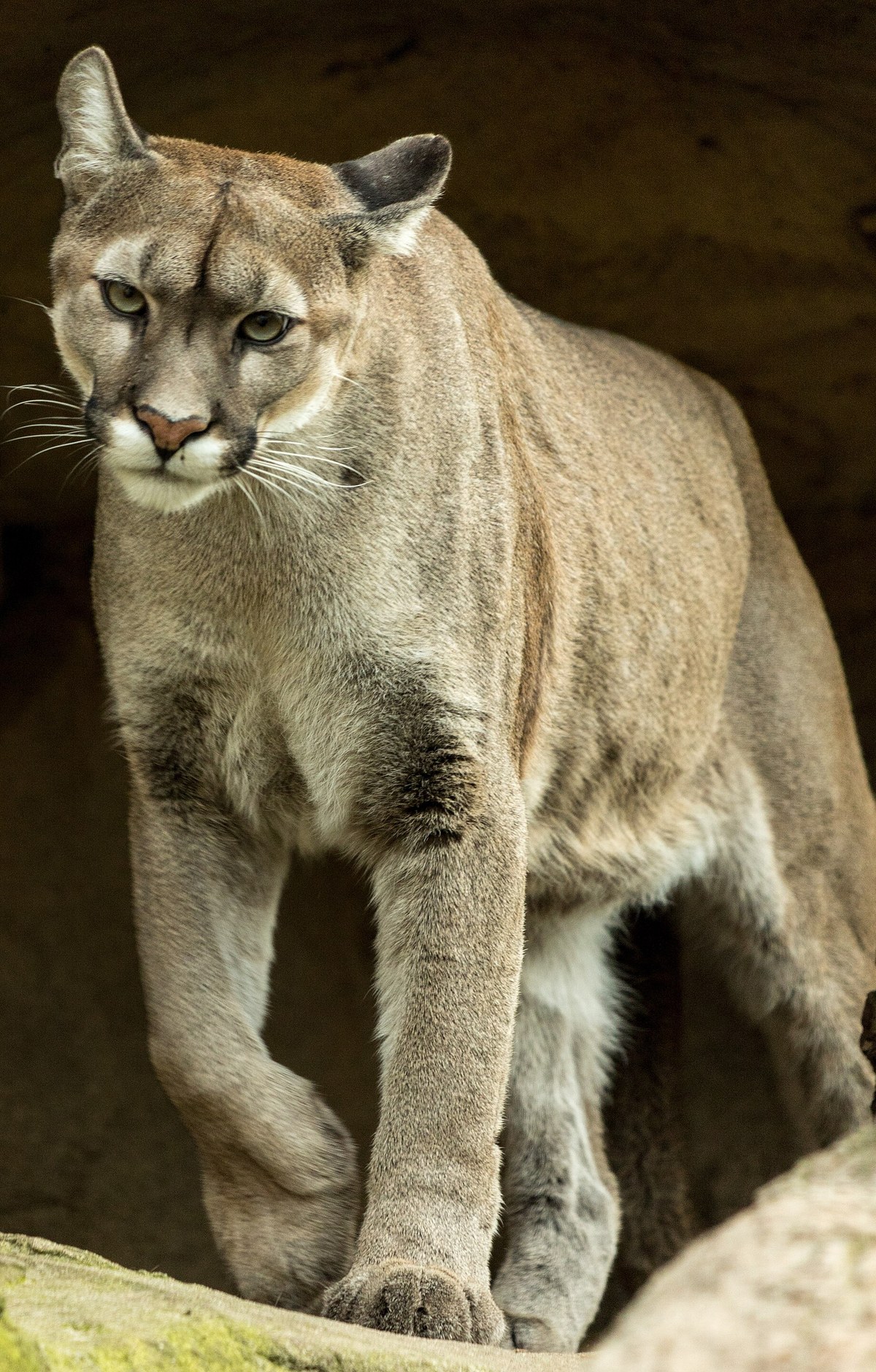
The mountain lion (Puma concolor) is a large, sleek cat with a long, muscular body and a distinctive long tail that helps it balance when stalking or leaping. Its coat ranges from tawny to grayish with paler underparts; adults lack the spotted pattern of kittens but show subtle facial markings and a black-tipped tail and ears. Males typically grow noticeably larger than females, and powerful hind legs give the cat explosive acceleration and the ability to clear fences or rock ledges in a single bound. Up close you’ll notice forward-facing eyes and rounded ears that give it a focused, predatory look.
Mountain lions live across a wide swath of the Americas and adapt to forests, mountains, desert edges and even some open country, though they favor dense cover and rocky terrain for ambush hunting. They hunt primarily deer but will take smaller mammals when available, using stealth, short bursts of speed and high, silent leaps to capture prey. Mostly solitary, they adjust activity patterns by location—becoming more nocturnal near human activity and more flexible in protected areas. Sightings are rare; more common signs include tracks, scrapes, and changes in deer behavior.
Globally the species remains relatively widespread, but local populations have declined where habitat is lost or persecution is heavy—most notably in eastern North America, where only the Florida panther persists as an isolated remnant. For park visitors: stay aware of your surroundings, keep pets on a leash, hike in groups when possible, and report sightings to rangers so wildlife managers can monitor these secretive big cats.