Wildlife · Mammal · Zion National Park
Mule Deer in Zion National Park
In Zion National Park, the Mule Deer is recorded most often in Zion Canyon, Zion Wilderness and East Rim. Most sightings are recorded from March through January, with the most in May.
Where can you see Mule Deer in Zion National Park?
Zion Wilderness
About Zion Wilderness · 1,695 recorded sightings · Open in Maps
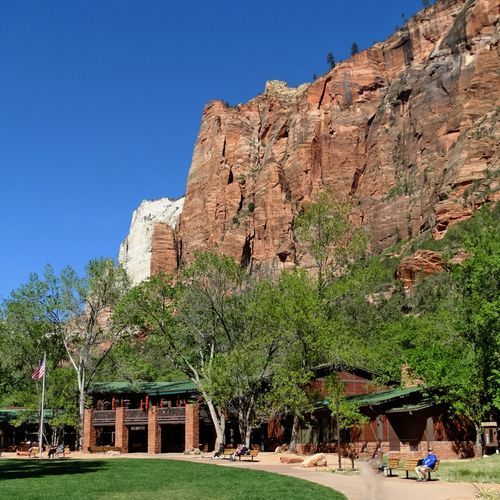
At Zion Lodge
Zion Canyon · 832 recorded sightings · Open in Maps
Zion Canyon · 616 recorded sightings · Open in Maps
Zion Canyon · 548 recorded sightings · Open in Maps
Near Zion Lodge
Zion Canyon · about 0.6 mi away · 452 recorded sightings · Open in Maps
Zion Canyon · about 0.4 mi away · 442 recorded sightings · Open in Maps
407 recorded sightings · Open in Maps
360 recorded sightings · Open in Maps
Zion Canyon · about 0.2 mi away · 340 recorded sightings · Open in Maps
Zion Canyon · about 0.6 mi away · 316 recorded sightings · Open in Maps
The 10 spots with the most sightings, of 75 on the map.
A viewing spot is a place where visitors have photographed and reported the animal many times. Wild animals move: a spot raises your chances, it doesn't promise a sighting. Keep the distance the park asks for.
When is the best time to see Mule Deer in Zion National Park?
Most sightings are recorded from March through January, with the most in May.
- January: 158 sightings
- February: 113 sightings
- March: 394 sightings
- April: 292 sightings
- May: 527 sightings
- June: 384 sightings
- July: 464 sightings
- August: 491 sightings
- September: 518 sightings
- October: 458 sightings
- November: 462 sightings
- December: 343 sightings
Recorded sightings in Zion National Park by month, 4,604 in all. The count follows visitors as well as animals: a quiet month can mean few people were there to report.
Key facts
- Type
- Mammal
- Scientific name
- Odocoileus hemionus
- Mapped viewing spots
- 75
- Most sightings
- March through January
- Recorded sightings
- 4,604
About the Mule Deer
Mule deer present a distinctive, recognizable silhouette: large, mule-like ears, a broad white rump, and a black-tipped tail that flashes when they alarm. Their coats shift from reddish-brown in summer to grayer tones in winter, and bucks grow branching antlers that tend to fork as they develop rather than forming a single sweeping beam. Medium to large in size, they often stand about shoulder-high to a person and move with a bounding, leaping gait that sends them sailing over terrain in short, powerful hops.
You’ll find mule deer across the American West — from open plains and sagebrush flats to foothill woodlands, mountain meadows, and coastal forests. They browse on shrubs, leaves, forbs and grasses, shifting their diet seasonally (sagebrush and twigs in winter; green shoots and forbs in spring and summer). Mule deer remain most active at dawn and dusk, use keen hearing and sight to detect danger, and often form small groups; mothers hide spotted fawns in vegetation for the first weeks while they forage nearby. In some regions they undertake notable local migrations between seasonal ranges.
Populations vary by place: some herds remain common while others face pressure from habitat fragmentation, road collisions and changing climate. When visiting parks, watch quietly from a distance, avoid feeding wildlife, and scan open edges and roadsides at dusk for movement. Spotting a mother with tiny spotted fawns or a buck’s forked antlers makes for a memorable encounter—observe respectfully and let them carry on their wild behaviors.