Wildlife · Bird · Zion National Park
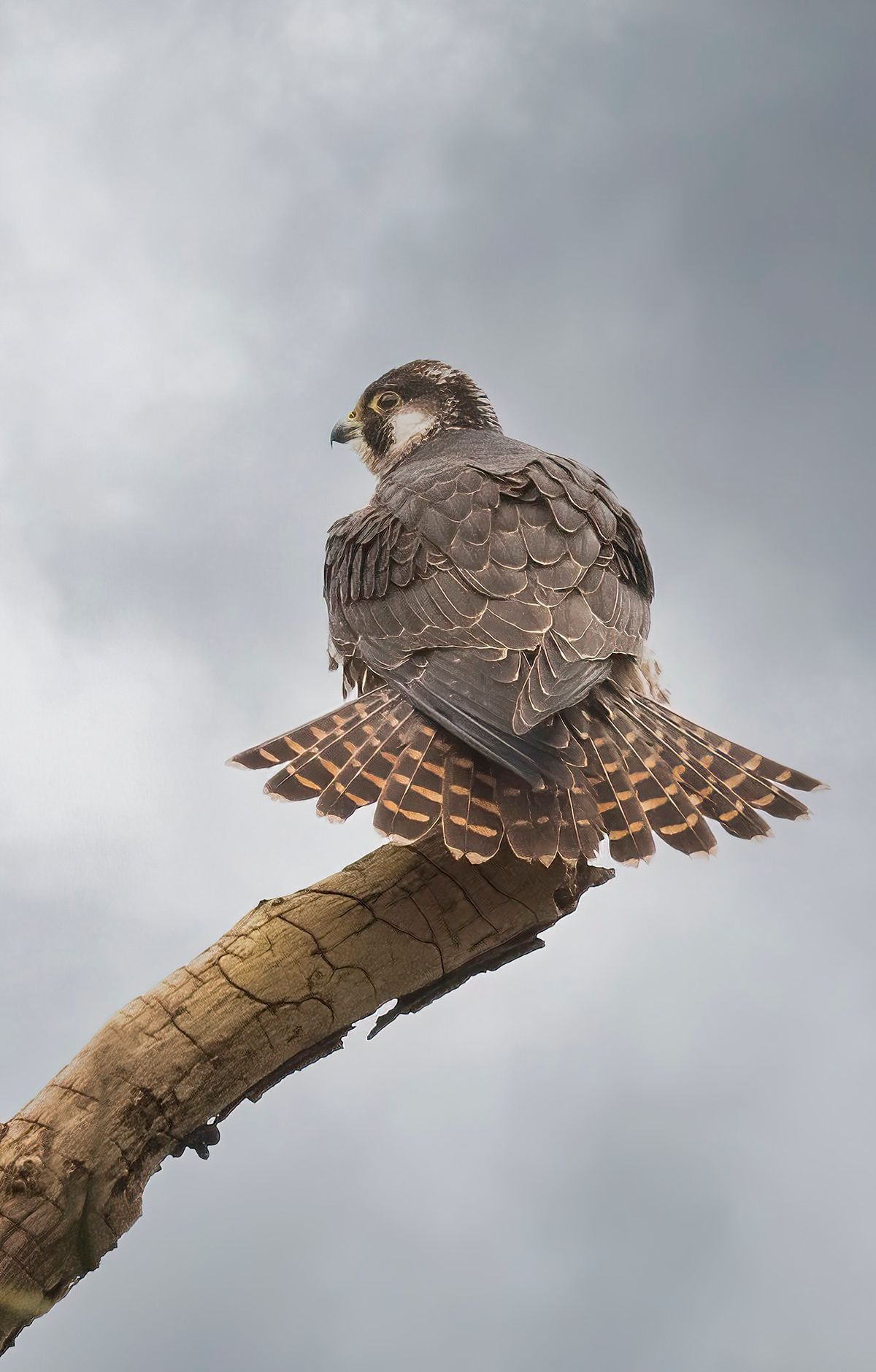
Peregrine Falcon in Zion National Park
In Zion National Park, the Peregrine Falcon is recorded most often in Zion Canyon. Most sightings are recorded from May through June, with the most in June.
Where can you see Peregrine Falcon in Zion National Park?
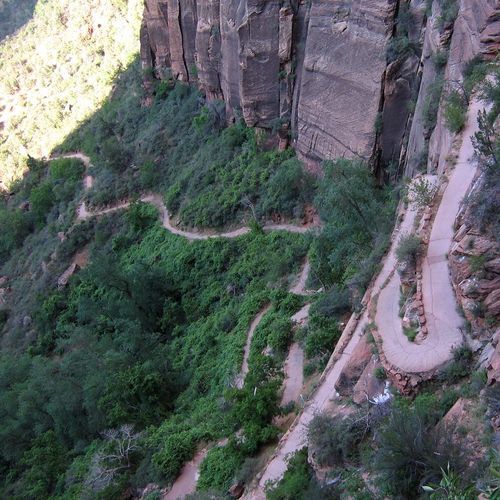
Near Scout Lookout
Zion Canyon · about 0.3 mi away · 66 recorded sightings · Open in Maps
A viewing spot is a place where visitors have photographed and reported the animal many times. Wild animals move: a spot raises your chances, it doesn't promise a sighting. Keep the distance the park asks for.
When is the best time to see Peregrine Falcon in Zion National Park?
Most sightings are recorded from May through June, with the most in June.
- January: 0 sightings
- February: 0 sightings
- March: 0 sightings
- April: 0 sightings
- May: 10 sightings
- June: 12 sightings
- July: 0 sightings
- August: 4 sightings
- September: 5 sightings
- October: 0 sightings
- November: 0 sightings
- December: 0 sightings
Recorded sightings in Zion National Park by month, 31 in all. The count follows visitors as well as animals: a quiet month can mean few people were there to report.
Key facts
- Type
- Bird
- Scientific name
- Falco peregrinus
- Mapped viewing spots
- 1
- Most sightings
- May through June
- Recorded sightings
- 31
About the Peregrine Falcon
A sleek, crow-sized raptor, the peregrine falcon has a blue‑grey back, barred white underparts and a dark, hooded head with a bold "moustache" stripe. It shows clear size differences between sexes, with females noticeably larger than males. Long, pointed wings and a compact body give it a distinctive, aerodynamic silhouette—easy to spot when it perches on a high rock ledge or city rooftop.
The peregrine lives almost everywhere from tundra cliffs to urban skylines, favoring high ledges for nesting. It feeds mainly on medium-sized birds—pigeons, ducks and shorebirds—hunted with breathtaking skill: it soars or waits high, then stoops in a rapid, controlled dive to strike at speed. Peregrines typically nest in shallow scrapes on cliffs or tall buildings, pair for life and reach breeding maturity around one year old. In cities, abundant pigeons make excellent prey, so you may see them hunting over parks and waterfronts.
Widespread pesticide use once pushed many populations to the brink, but bans and active nest protection have supported strong recoveries; the species now thrives in many parks and urban areas. For park visitors: use binoculars or a spotting scope, enjoy their dramatic flight from a distance, and avoid disturbing cliff or rooftop nesting sites—observing quietly gives you the best chance of seeing their spectacular stoops.