Parka
Haleakalā National Park

Aktivitäten im Haleakalā National Park

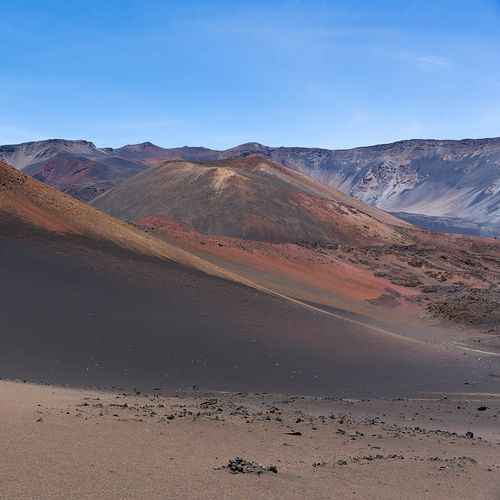
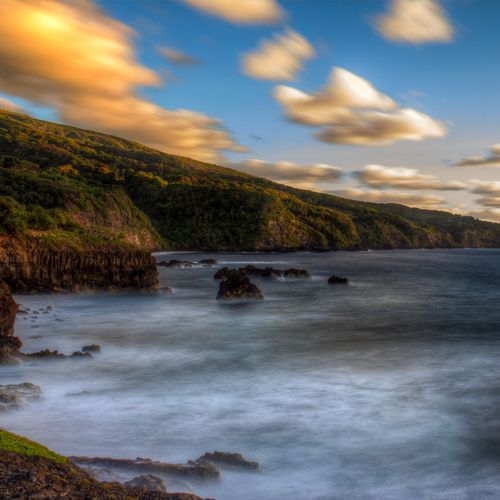
Haleakalā belohnt Besucher am Straßenrand und an den Aussichtspunkten ebenso reichhaltig wie auf den Wanderwegen. Im Summit District besteht der große Reiz darin, über den Wolken zu stehen. Eine Reihe klassischer Aussichtspunkte eröffnet aus unterschiedlichen Blickwinkeln den Blick auf die gewaltige Vulkanlandschaft des Parks. Der Kalahaku Overlook bietet einen weiten, filmreifen Blick in den Krater, der Leleiwi Overlook ist ein hervorragender Halt für die gestaffelte Landschaft der Schlackenkegel, und Puʻuʻulaʻula, auch Red Hill genannt, bietet einen der höchsten und weitläufigsten Aussichtspunkte im Park. Das Gipfelgebiet selbst ist ein Reiseziel und nicht nur der Ausgangspunkt eines Wanderwegs – mit seiner kargen alpinen Landschaft, den weiten Panoramen und dem unvergesslichen Schauspiel von Sonnenauf- und Sonnenuntergängen, die den Krater in wechselnde Gold-, Rost- und Violetttöne tauchen. Nach Einbruch der Dunkelheit wird diese hoch gelegene Umgebung zu einem der besten Orte auf Maui zur Sternenbeobachtung, an dem der Himmel erstaunlich nah und außergewöhnlich klar wirkt. Jenseits des Gipfels erstreckt sich Haleakalās Reiz vom Hochlandwald bis zur Küste. Hosmer Grove bietet ein sanfteres, ruhigeres Erlebnis mit kühler Bergluft, ungewöhnlichen Bäumen und hervorragenden Möglichkeiten zur Vogelbeobachtung, während das nahe gelegene Science City mit Forschungseinrichtungen an den oberen Berghängen einen eindrucksvollen Kontrast bildet. Im Kīpahulu District verändert sich die Stimmung völlig: Üppiger Regenwald, Meerblicke und eine raue Küstenlinie verleihen diesem Teil des Parks einen ausgesprochen tropischen Charakter. Besucher kommen hierher wegen der malerischen Straßen, der kulturellen Verbundenheit, der Ranger-Programme und der Möglichkeit, vulkanisches Hochland und einen Ausflug an die Küste in ein und demselben Park zu verbinden. Haleakalā ist im traditionellen Sinne Mauis kein Strandpark, doch die dem Meer zugewandten Bereiche und die felsige Küste gehören zu dem, was ihn so unvergesslich macht – die seltene Erfahrung, sich in einer einzigen außergewöhnlichen Landschaft von einem 10,000-foot hohen Gipfel bis an den Rand des Pazifiks zu bewegen.

Makahiku Overlook

Makahiku Overlook

ViewpointKīpahulu District

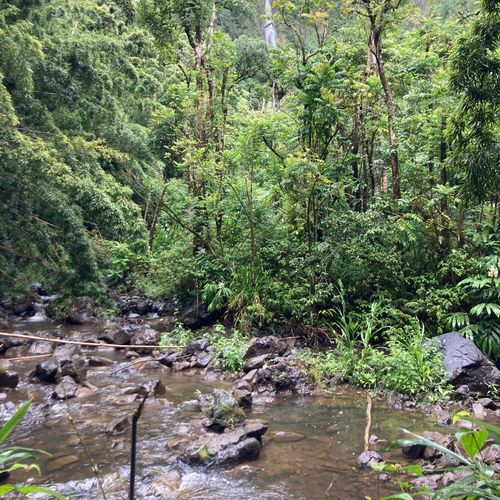
This overlook looks across a valley to Makahiku Falls, a tall waterfall that is one of the main sights along the Pīpīwai Trail. The viewpoint sits partway along that route, after a stretch beneath a forest canopy that begins near the Kīpahulu Visitor Center. The path is unpaved, uneven and sometimes muddy, so sturdy footwear is worth bringing. Nearby, the Seven Sacred Pools make a natural next stop on the same visit.
Leleiwi Overlook

Leleiwi Overlook

ViewpointSummit District

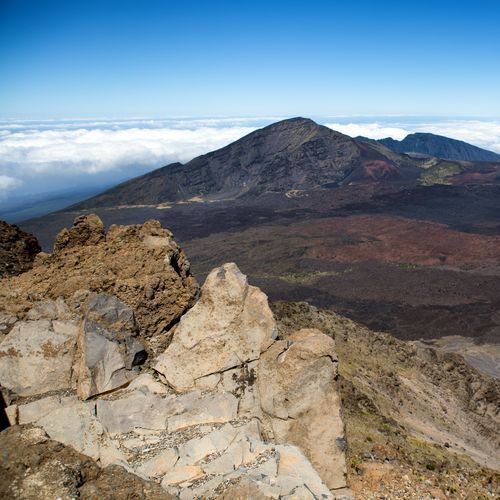
Peering over the edge, you can see far down to the crater floor's meadows and out through the Koʻolau gap. The footpath runs over rough, rocky ground through native Hawaiian shrubland, so anyone heading out for sunrise should pack a headlamp. Because it sits midway between the park's headquarters area and the summit visitor center, it works well as a pause on the drive up the mountain.

Kalahaku Overlook

Kalahaku Overlook

ViewpointSummit District
Bridge

Bridge

ViewpointKīpahulu District
Bridge

Bridge

ViewpointKīpahulu District
Birds On The Edge

Birds On The Edge

ViewpointSummit District

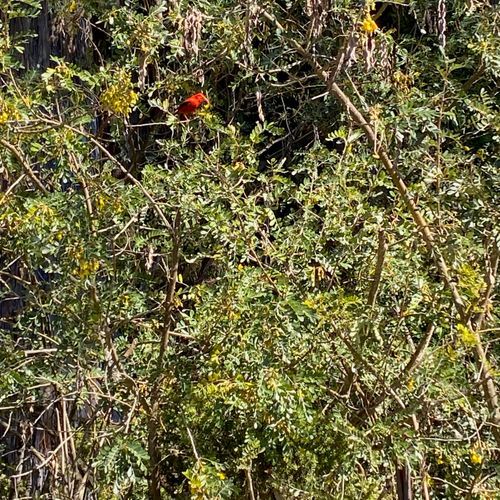
This viewpoint sits in the summit area of Haleakalā, a short walk from Hosmer Grove Campground, with the Headquarters Visitor Center not far off. Several native birds, some endangered and found only at the summit, live here and often turn up in parking lots and on roads, day and night. Watch for them while you're parked, drive slowly, and don't feed them, since they find all the food they need in their natural habitat.

Halemau’u Trailhead

Halemau’u Trailhead

Point of interestSummit District

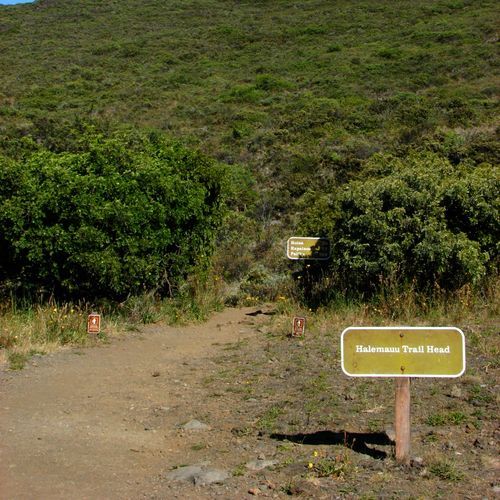
A rocky path drops into the crater from the far end of this parking lot, and there's no water on site, so bring your own. Nēnē geese often graze the grassy edges, so give them room and drive slowly. Many thru hikers finish their crossing here, and hikers must stay on marked trails to protect the fragile Hawaiian ecosystem. Leleiwi Overlook and Hōlua Cabin are both within walking distance.

Kawilinau Gulch (65 feet deep)

Kawilinau Gulch (65 feet deep)

Point of interestSummit District
Silversword Loop Trail

Silversword Loop Trail

Point of interestSummit District

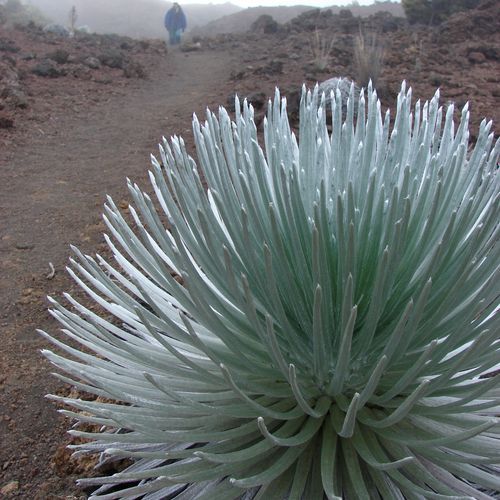
Silverswords, small silvery plants that grow naturally only on Haleakalā's slopes, are the highlight here. They are fragile and endangered, so fences shield them from grazing animals and from visitors who once dug them up as souvenirs. Stay on the path, since stepping off it can trample plants and damage the surrounding landscape. Wilderness Tent Sites and Hōlua Cabin lie within a short walk.

Silversword Loop Trail

Silversword Loop Trail

Point of interestSummit District

The loop is named for the silversword, a fragile, silvery plant found only on Haleakalā's slopes. Silverswords can live up to 90 years but bloom just once before dying, so a flowering one is a rare sight. Park fences protect them from grazers and souvenir hunters, so please stay on the path. Kawilinau Gulch lies nearby.

Seven Sacred Pools

Seven Sacred Pools

Point of interestKīpahulu District

Cascading pools step down through a lush gulch in the Kīpahulu Valley, where waterfalls spill from one basin to the next. Swimming is often off-limits because flash floods can raise the water several feet in minutes, and the rocks get very slick, so many visitors watch from the overlooks along the Kūloa Point Trail. Rangers at the nearby visitor center can share current conditions before you head down.

Kapalaoa Cabin

Kapalaoa Cabin

Point of interestSummit District

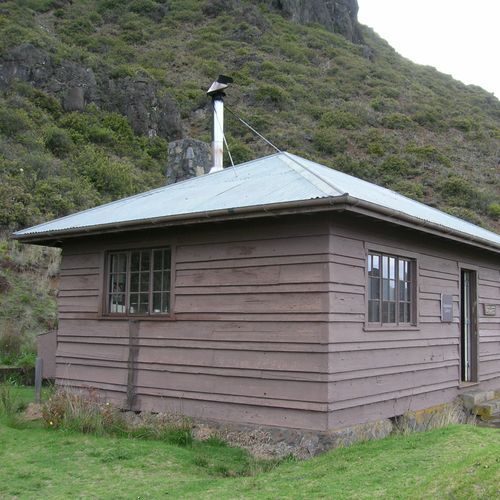
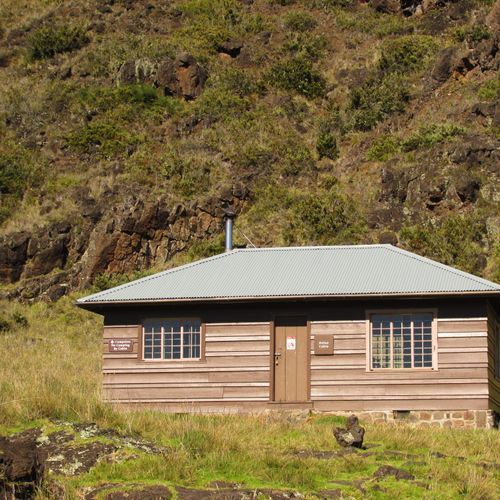
Set against the wall of Haleakalā's crater, this historic cabin sits in wilderness where the cliffs rise close overhead. Its outlook covers cinder cones streaked with bright color, hardy subalpine plants and sheer rock faces. From spring into summer, keen-eyed visitors may catch sight of the endangered uau, the Hawaiian dark-rumped petrel, or hear its calls around the high cliffs. Access is on foot only, by trail, into the designated Wilderness.

Hōlua Cabin

Hōlua Cabin

Point of interestSummit District

This rustic cabin sits in the crater's shrubland near Koʻolau Gap, where native plants are gradually reclaiming old lava flows. Reaching it takes a long wilderness hike, and guests can use it as a base for day trips deeper into the crater. A wilderness tent area lies nearby for those who would rather camp. The cabin dates to 1937, when Civilian Conservation Corps crews helped haul in materials by mule.

Palikū Cabin

Palikū Cabin

Point of interestKīpahulu District

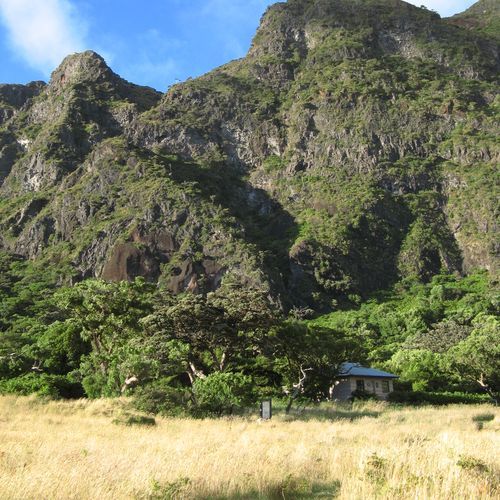
This historic cabin, one of three built in the crater in the late 1930s, sits at the eastern end of a wilderness valley against a towering rain forest cliff. Fog and clouds often drift over the cliff tops, and rain is common, so the air stays cool and the surroundings look lush and green. Reaching it means a long hike into the crater on foot, and a tent campground is nearby for those who want to stay longer.

Entdecken Sie mehr Aktivitäten und planen Sie Ihren Besuch in der Parka-App

Parka herunterladen — kostenlos

Planen Sie Ihre Reise nach Haleakalā National Park in der App

Kostenlos im App Store

Parka holen

Why Park Lovers Choose Parka

Trip Planner

All the tools for epic adventures

Works Offline

Fully functional without cell service

Updated Weekly

Trail conditions, alerts, and closures

Try Risk-Free

7-day free trial, cancel anytime

Start Your 7-Day Free Trial

Unlock everything you need for your next national park trip. Your first week is on us!

National Park vista

Start your adventure today

Download Parka and plan your perfect national park trip in minutes.

Explore All 63 National Parks

Browse parks by region and discover your next adventure