Parka
Haleakalā National Park

Qué hacer en Haleakalā National Park

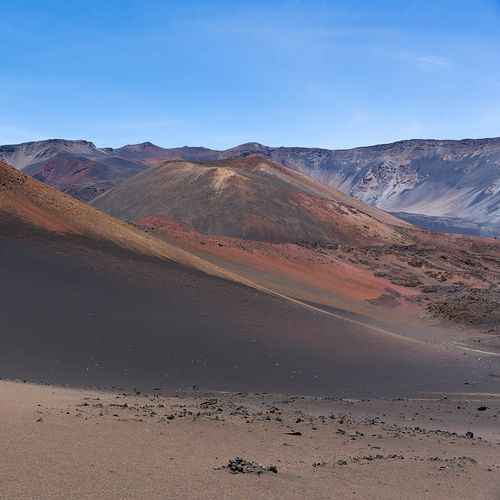
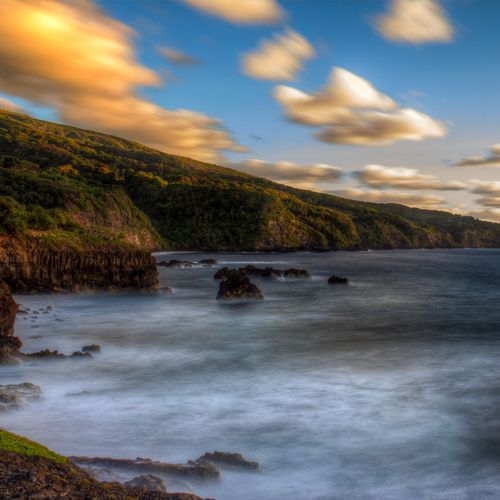
Haleakalā recompensa a los visitantes tanto desde la carretera y los miradores como desde los senderos. En el Summit District, el gran atractivo es la experiencia sobrecogedora de estar por encima de las nubes, con una serie de miradores clásicos que revelan el inmenso paisaje volcánico del parque desde distintos ángulos. Kalahaku Overlook ofrece una amplia vista cinematográfica del cráter, Leleiwi Overlook es una parada excepcional para contemplar un paisaje de conos de ceniza superpuestos, y Puʻuʻulaʻula, o Red Hill, brinda uno de los puntos panorámicos más altos y extensos del parque. La zona de la cumbre es un destino en sí misma, no solo el inicio de un sendero, con su escarpado terreno alpino, sus panoramas inabarcables y el espectáculo inolvidable del amanecer y el atardecer, que tiñen el cráter de tonos cambiantes dorados, óxido y violeta. Después del anochecer, este entorno de gran altitud se convierte en uno de los mejores lugares de Maui para observar las estrellas, donde el cielo parece sorprendentemente cercano y resplandece con una claridad extraordinaria. Más allá de la cumbre, el atractivo de Haleakalā se extiende desde los bosques de las tierras altas hasta la costa. Hosmer Grove ofrece una experiencia más tranquila y apacible, con aire fresco de montaña, árboles poco comunes y excelentes oportunidades para observar aves, mientras que la cercana Science City aporta un llamativo contraste con sus instalaciones de investigación encaramadas en las laderas superiores de la montaña. En el Kīpahulu District, el ambiente cambia por completo: la exuberante selva tropical, las vistas al océano y una costa escarpada confieren a este sector del parque un carácter claramente tropical. Aquí los visitantes vienen a disfrutar de recorridos panorámicos, conectar con la cultura local, participar en programas dirigidos por guardaparques y combinar las tierras altas volcánicas con una excursión costera en un mismo parque. Haleakalā no es un parque de playa en el sentido tradicional de Maui, pero sus confines marítimos y su costa rocosa forman parte de lo que lo hace tan memorable: la rara experiencia de pasar de una cumbre de 10,000 pies al borde del Pacífico en un paisaje extraordinario.

Makahiku Overlook

Makahiku Overlook

ViewpointKīpahulu District

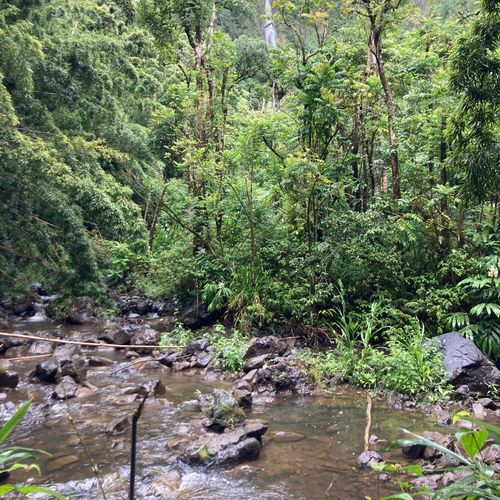
This overlook looks across a valley to Makahiku Falls, a tall waterfall that is one of the main sights along the Pīpīwai Trail. The viewpoint sits partway along that route, after a stretch beneath a forest canopy that begins near the Kīpahulu Visitor Center. The path is unpaved, uneven and sometimes muddy, so sturdy footwear is worth bringing. Nearby, the Seven Sacred Pools make a natural next stop on the same visit.
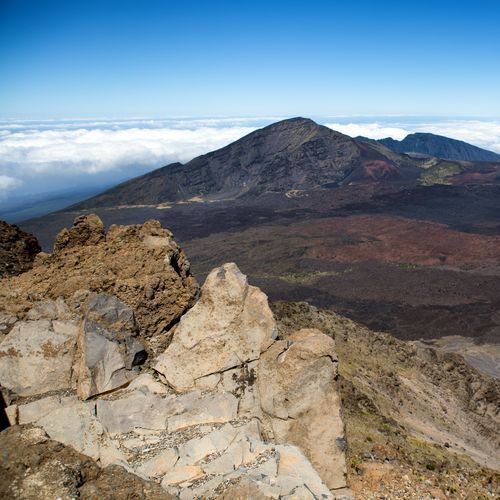
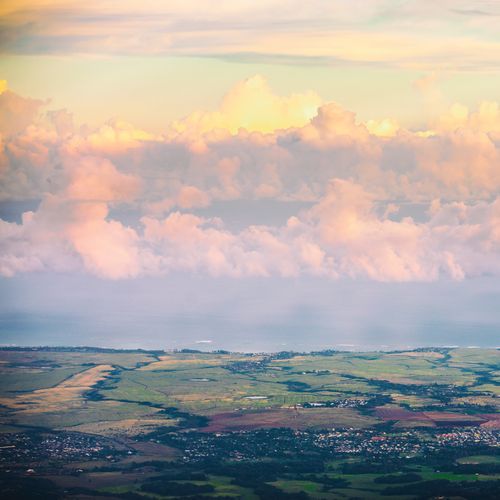
Leleiwi Overlook

Leleiwi Overlook

ViewpointSummit District

Peering over the edge, you can see far down to the crater floor's meadows and out through the Koʻolau gap. The footpath runs over rough, rocky ground through native Hawaiian shrubland, so anyone heading out for sunrise should pack a headlamp. Because it sits midway between the park's headquarters area and the summit visitor center, it works well as a pause on the drive up the mountain.

Kalahaku Overlook

Kalahaku Overlook

ViewpointSummit District
Bridge

Bridge

ViewpointKīpahulu District
Bridge

Bridge

ViewpointKīpahulu District
Birds On The Edge

Birds On The Edge

ViewpointSummit District

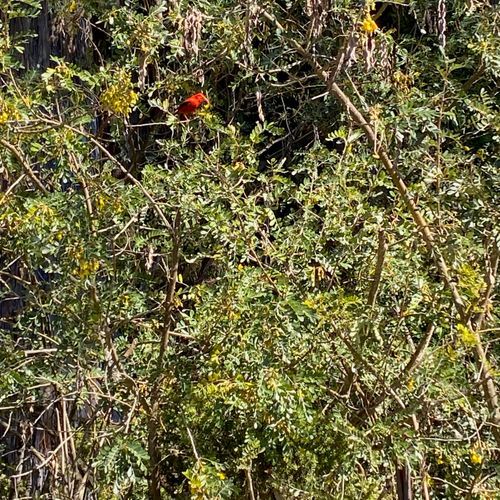
This viewpoint sits in the summit area of Haleakalā, a short walk from Hosmer Grove Campground, with the Headquarters Visitor Center not far off. Several native birds, some endangered and found only at the summit, live here and often turn up in parking lots and on roads, day and night. Watch for them while you're parked, drive slowly, and don't feed them, since they find all the food they need in their natural habitat.

Halemau’u Trailhead

Halemau’u Trailhead

Point of interestSummit District

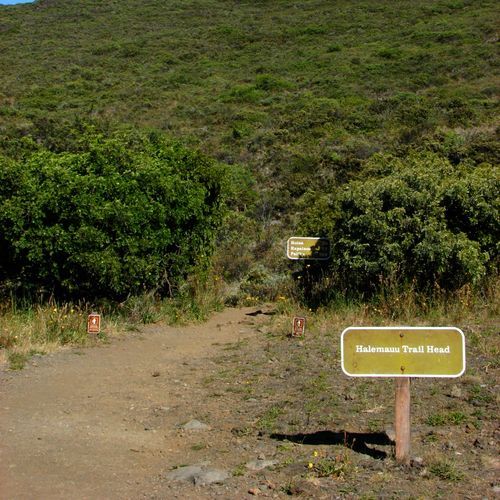
A rocky path drops into the crater from the far end of this parking lot, and there's no water on site, so bring your own. Nēnē geese often graze the grassy edges, so give them room and drive slowly. Many thru hikers finish their crossing here, and hikers must stay on marked trails to protect the fragile Hawaiian ecosystem. Leleiwi Overlook and Hōlua Cabin are both within walking distance.

Kawilinau Gulch (65 feet deep)

Kawilinau Gulch (65 feet deep)

Point of interestSummit District
Silversword Loop Trail

Silversword Loop Trail

Point of interestSummit District

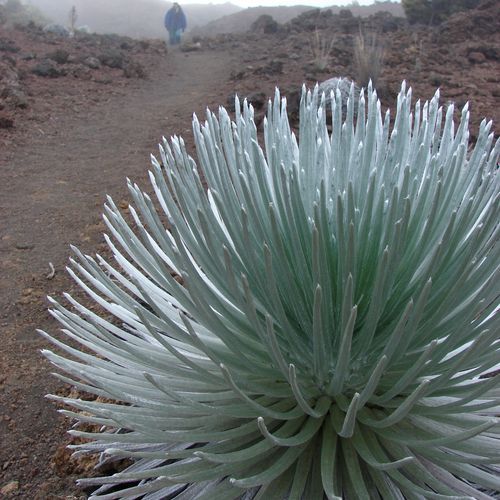
Silverswords, small silvery plants that grow naturally only on Haleakalā's slopes, are the highlight here. They are fragile and endangered, so fences shield them from grazing animals and from visitors who once dug them up as souvenirs. Stay on the path, since stepping off it can trample plants and damage the surrounding landscape. Wilderness Tent Sites and Hōlua Cabin lie within a short walk.

Silversword Loop Trail

Silversword Loop Trail

Point of interestSummit District

The loop is named for the silversword, a fragile, silvery plant found only on Haleakalā's slopes. Silverswords can live up to 90 years but bloom just once before dying, so a flowering one is a rare sight. Park fences protect them from grazers and souvenir hunters, so please stay on the path. Kawilinau Gulch lies nearby.

Seven Sacred Pools

Seven Sacred Pools

Point of interestKīpahulu District

Cascading pools step down through a lush gulch in the Kīpahulu Valley, where waterfalls spill from one basin to the next. Swimming is often off-limits because flash floods can raise the water several feet in minutes, and the rocks get very slick, so many visitors watch from the overlooks along the Kūloa Point Trail. Rangers at the nearby visitor center can share current conditions before you head down.

Kapalaoa Cabin

Kapalaoa Cabin

Point of interestSummit District

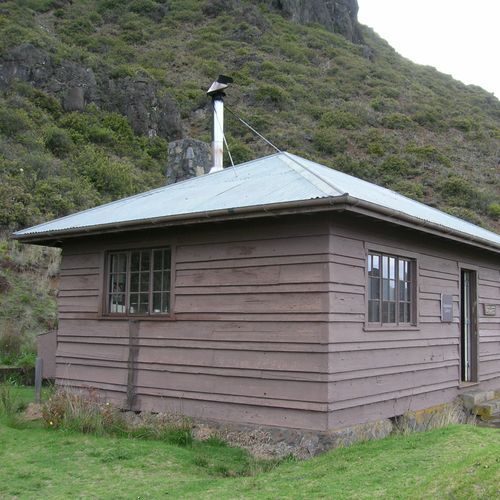
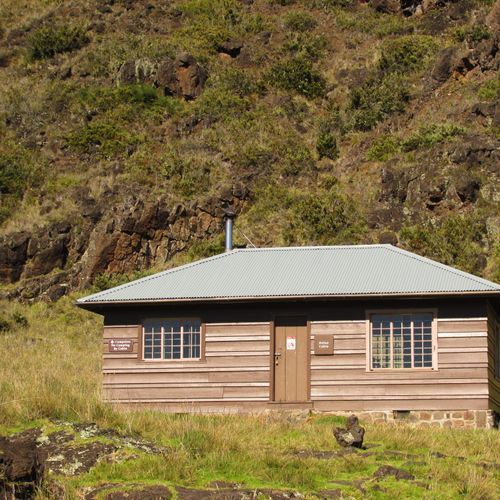
Set against the wall of Haleakalā's crater, this historic cabin sits in wilderness where the cliffs rise close overhead. Its outlook covers cinder cones streaked with bright color, hardy subalpine plants and sheer rock faces. From spring into summer, keen-eyed visitors may catch sight of the endangered uau, the Hawaiian dark-rumped petrel, or hear its calls around the high cliffs. Access is on foot only, by trail, into the designated Wilderness.

Hōlua Cabin

Hōlua Cabin

Point of interestSummit District

This rustic cabin sits in the crater's shrubland near Koʻolau Gap, where native plants are gradually reclaiming old lava flows. Reaching it takes a long wilderness hike, and guests can use it as a base for day trips deeper into the crater. A wilderness tent area lies nearby for those who would rather camp. The cabin dates to 1937, when Civilian Conservation Corps crews helped haul in materials by mule.

Palikū Cabin

Palikū Cabin

Point of interestKīpahulu District

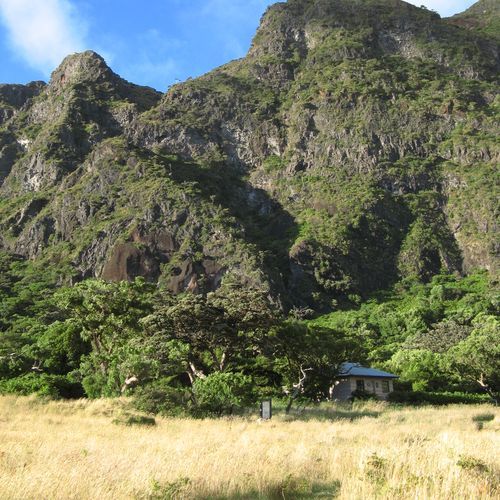
This historic cabin, one of three built in the crater in the late 1930s, sits at the eastern end of a wilderness valley against a towering rain forest cliff. Fog and clouds often drift over the cliff tops, and rain is common, so the air stays cool and the surroundings look lush and green. Reaching it means a long hike into the crater on foot, and a tent campground is nearby for those who want to stay longer.

Descubre más actividades y planifica tu visita en la app de Parka

Descarga Parka — es gratis

Planifica tu viaje a Haleakalā National Park en la app

Gratis en el App Store

Descargar Parka

Why Park Lovers Choose Parka

Trip Planner

All the tools for epic adventures

Works Offline

Fully functional without cell service

Updated Weekly

Trail conditions, alerts, and closures

Try Risk-Free

7-day free trial, cancel anytime

Start Your 7-Day Free Trial

Unlock everything you need for your next national park trip. Your first week is on us!

National Park vista

Start your adventure today

Download Parka and plan your perfect national park trip in minutes.

Explore All 63 National Parks

Browse parks by region and discover your next adventure