Death Valley National Park guide · 2 min read
Hottest Place on Earth: Heat and Seasons
Death Valley holds the world record for the highest air temperature ever measured at the surface of the Earth.
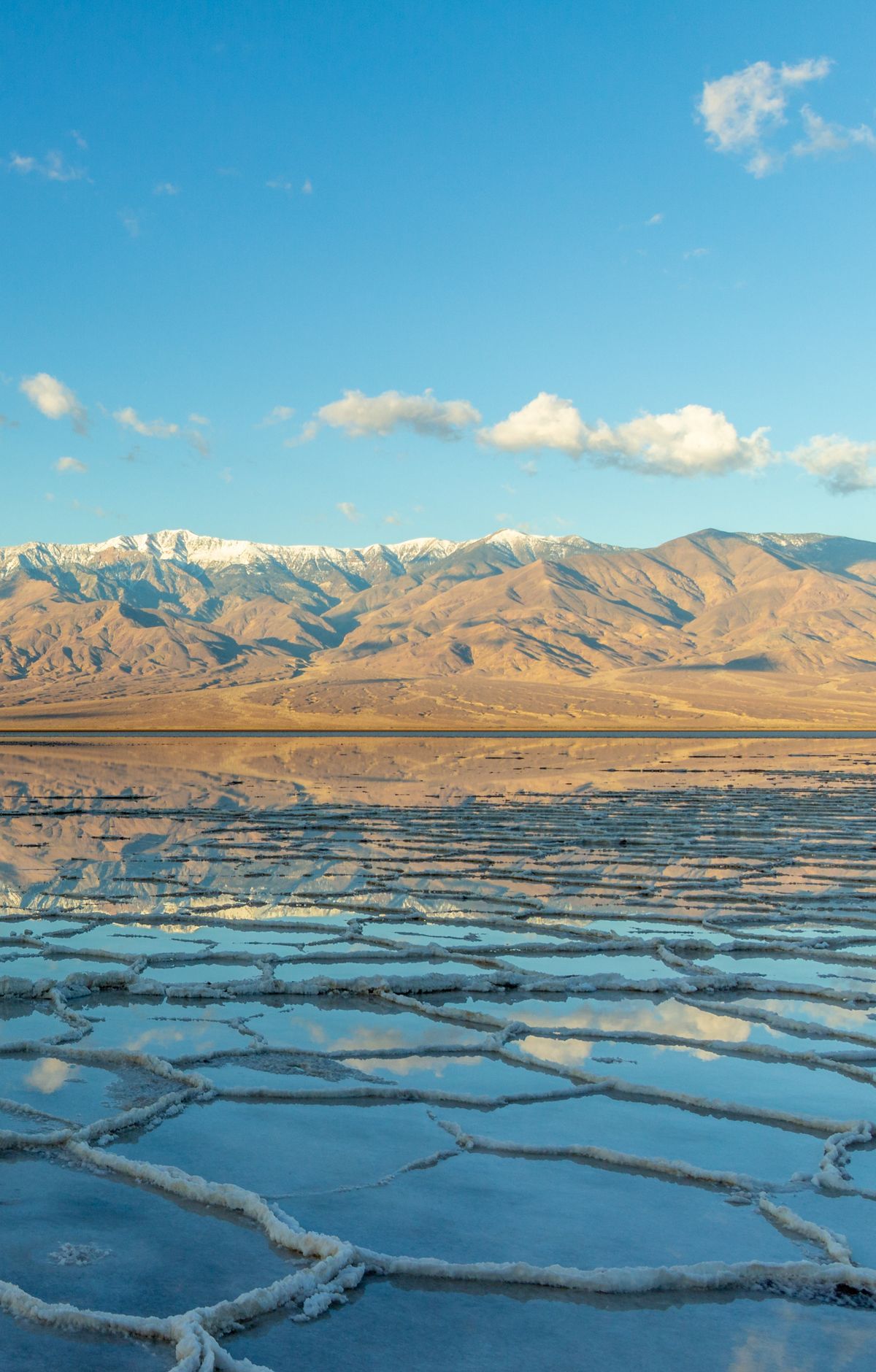
The reading of 134 degrees was taken at Furnace Creek on July 10, 1913. Summer temperatures often top 120 degrees in the shade, and overnight lows may stay between 85 and 95 degrees. The park is also the driest place in North America, with less than two inches of rain on average each year.
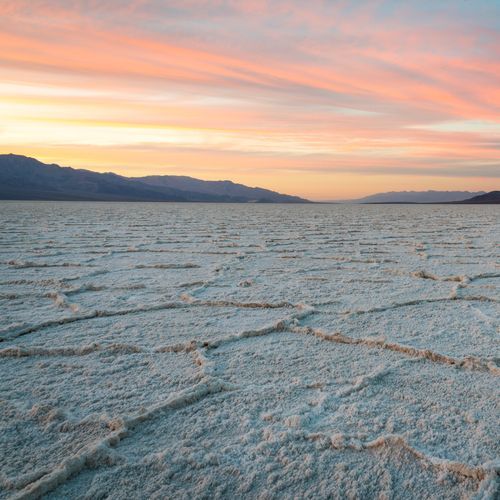
The park sits in a long, narrow basin that drops 282 feet below sea level, with high, steep mountains walling it in. Under dry, clear skies and across sparse vegetation, sunshine beats straight onto the desert floor, and the rocks and soil give that warmth back to the air. Hot air gets trapped in the valley's depths, where sinking air is compressed and heated further. Badwater Basin, the lowest point in the United States, often runs up to four degrees hotter than Furnace Creek.
The cooler months offer a gentler side of the park. Daytime temperatures in the low elevations are mild, and nights only occasionally drop to freezing. Higher ground stays cooler still, with temperatures falling three to five degrees for every thousand feet of climb. Skies are usually sunny, though winter storms can bring clouds and rain, and spring often brings wind.
Many people plan summer trips to experience the heat firsthand, so careful preparation matters. Drink at least one gallon, about four liters, of water a day, and more when you are active. Sweat carries away salt, so eat salty foods or drink electrolyte beverages too. Keep to paved roads and stay close to your vehicle, and carry extra water in case of a breakdown, since tow companies may be hours away. Storms that build in late summer can unleash flash floods, and monsoon weather may bring clouds and rain.