Death Valley National Park guide · 1 min read
The Timbisha Shoshone Homeland
The Timbisha Shoshone Tribe is part of the rich cultural history of the land now protected as Death Valley National Park.
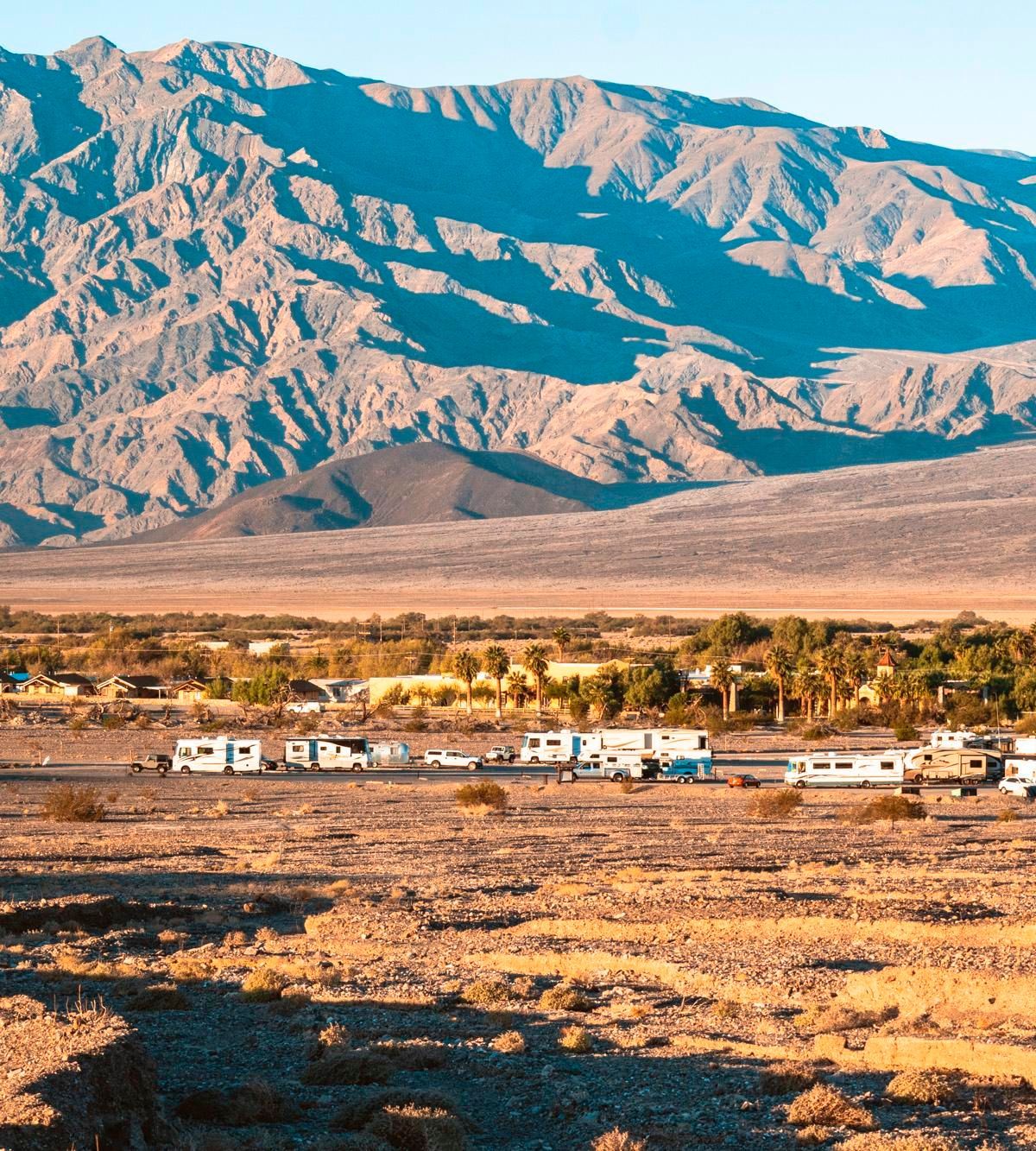
The tribe's village sits at Furnace Creek, the same area that holds the park's visitor center. Its story here runs through both the park's built history and the names its people gave to the landscape.
The Civilian Conservation Corps left its mark on the village during the Great Depression. Corps crews put up a trading post, a laundry and adobe homes for the Timbisha Shoshone. Their main camp was at Cow Creek, a short way north of the Furnace Creek visitor center. From there, workers leveled some 500 miles of roadway and opened trails in the Panamint Range leading to scenic viewpoints.
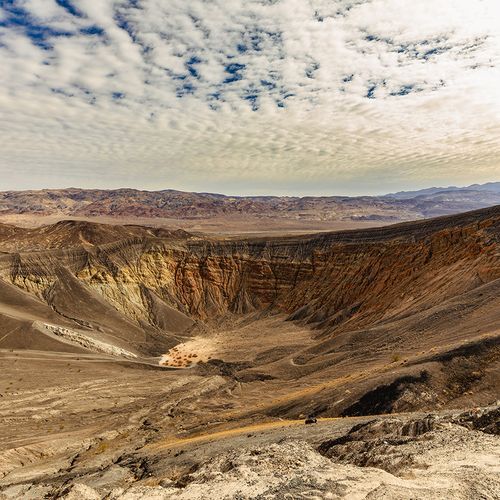
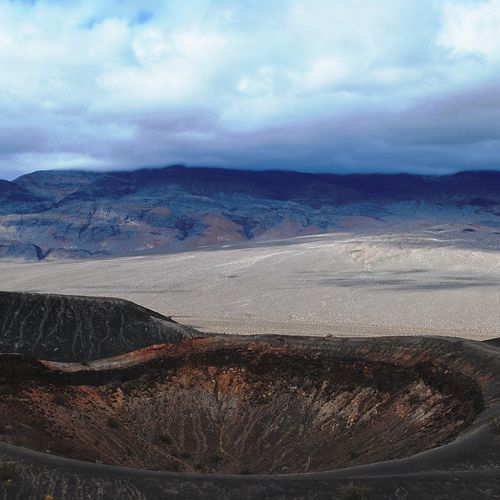
Ubehebe Crater shows how names in this valley carry layered histories. The volcanic crater drops roughly 600 feet from rim to floor and stretches about half a mile wide. Many people believe Ubehebe means "big basket," but that is a mistake. The Paiute first used the name for Ubehebe Peak, which rises 5,678 feet about 24 miles southwest, and no one knows how it moved to the crater. The Timbisha Shoshone call the crater Tem-pin-tta-Wo'sah, and the basket comparison still suits its shape.
Water shapes life in this dry basin. Scattered oases shelter tiny fish and offer refuge to wildlife and people alike, across a park with about 3 million acres of wilderness. Campers at Sunset Campground stay close to the village, since the gravel road into the campground starts right across from it in Furnace Creek.