Death Valley National Park guide · 1 min read
Desert Bighorn Sheep and Desert Survivors
The desert bighorn sheep is the largest native mammal in Death Valley and perhaps the best studied of the park's animals.
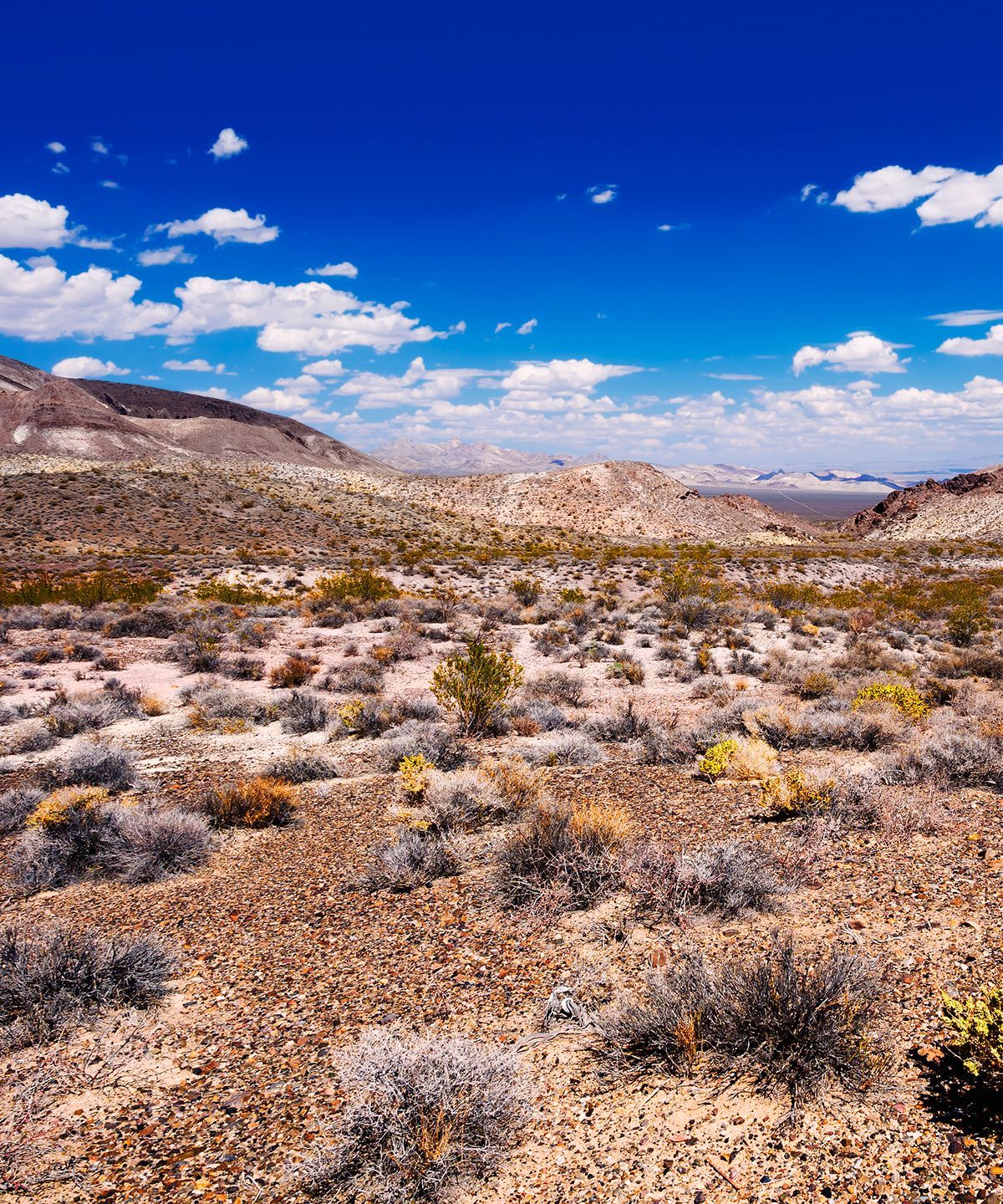
Small herds live mostly in the mountains that surround the valley, though they sometimes come down onto the valley floor. To find them, look near the springs and seeps scattered throughout the park.
Across much of the valley floor, plants are thin, but wherever water surfaces, growth is often lush. Salt Creek and other lasting pools are home to several forms of desert pupfish, which are native fish. Coyotes are also often sighted along park roadways.
Many of the park's reptiles, birds and mammals are active mainly at night, which helps them avoid the harsh daytime heat and also makes them hard to spot. Birdwatchers still have plenty to find, with more than 300 bird species known to live in or visit the area.
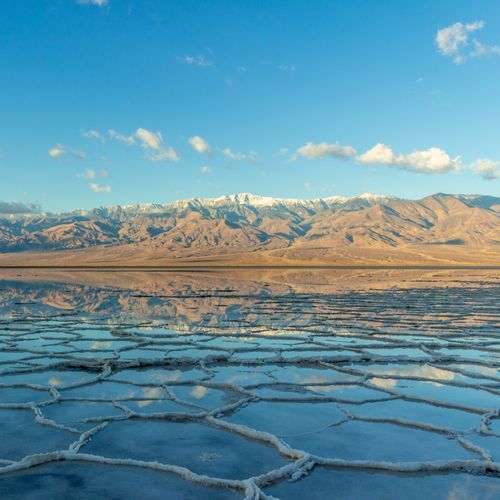
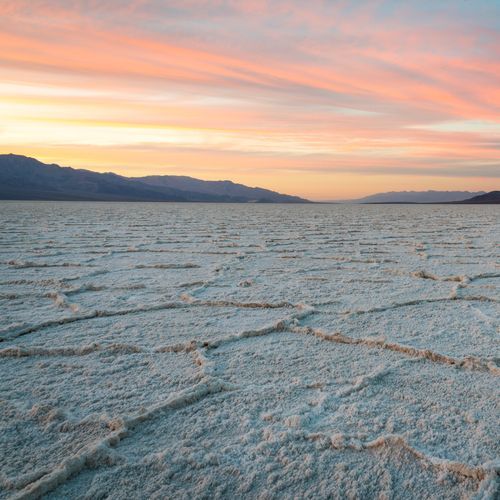
Plants change considerably from one elevation band to the next. The salt pan, 282 feet below sea level, has no vegetation at all. Creosote bush, desert holly and mesquite grow at the lower elevations, while sage, shadscale, blackbrush, Joshua trees and pinyon-juniper cover the higher slopes. Near the summit of Telescope Peak, which reaches 11,049 feet, limber pine and bristlecone pine woodlands take hold.
The Eureka Dunes are isolated from other dune fields, and that isolation has given rise to plants and animals found nowhere else in the world. Five endemic beetle species and three special plants live only on this patch of sand. Eureka Dunegrass is often the only plant on the upper slopes, where its roots form a dense mat that traps drifting sand. Its leaf tips are stiff and spiny, which discourages grazing animals and careless hikers.