Denali National Park & Preserve guide · 2 min read
Off-Trail Hiking: Denali's Open Wilderness
Off-trail hiking is allowed throughout Denali National Park and Preserve, which sets it apart from most national parks.
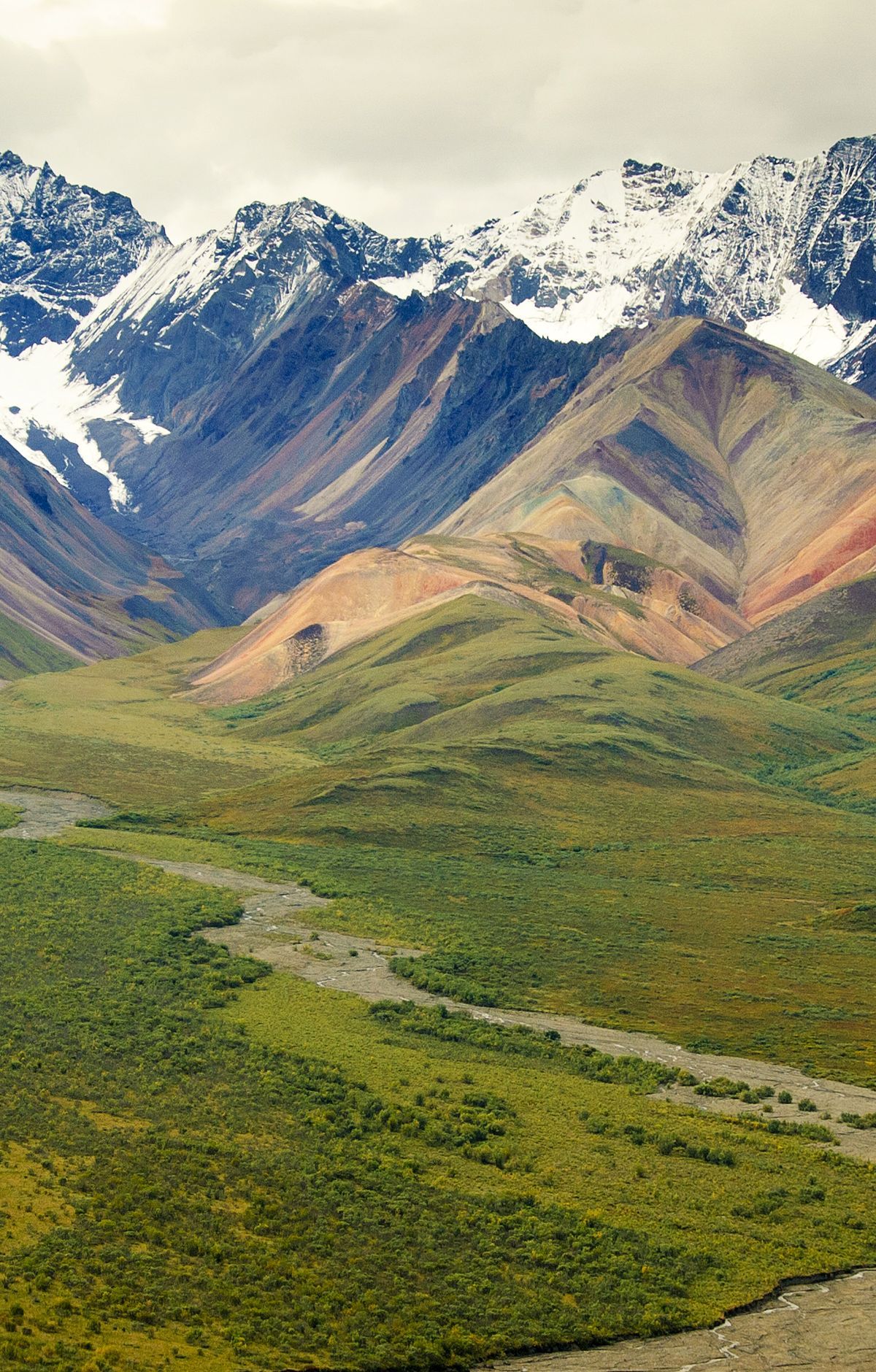
Hikers choose their own route through forests, across rivers, and up mountainsides nearly anywhere in the park. Few trails cross most of the land, so the wilderness is open to anyone willing to head out on their own.
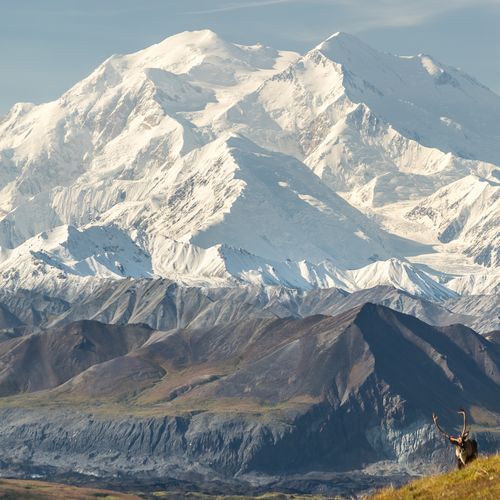
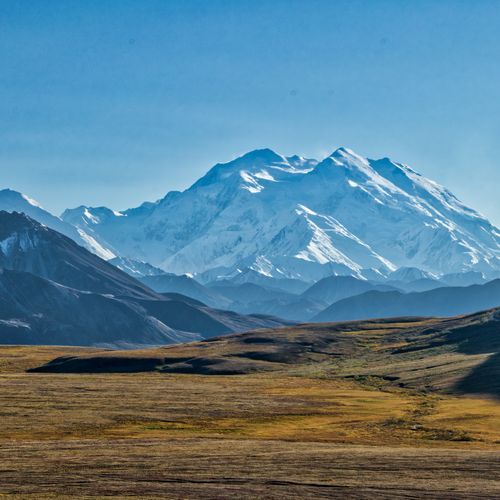
Past the short trails near the entrance, the backcountry has no signed paths, set routes, or established campsites. The Denali Wilderness covers the high country of the central Alaska Range, including Denali itself, the tallest peak in North America. The park encourages self-reliance, so each hiker settles on a route that suits them.
A transit shuttle bus gets you into the backcountry. Pick a stop that looks promising, explore on foot, and catch a later bus back to the entrance. Visitors reach Eielson Visitor Center, at mile 66 on Denali Park Road, only by bus, and its trails put you deep in the park with Denali in view. Wonder Lake lies in the backcountry near the end of the road, and the McKinley River Bar Trail is the one maintained path in that stretch.
Backpacking and backcountry camping let you spend nights in the wilderness on a longer trip. Ask a ranger about the arrangements for overnight trips before you set out. Careful planning pays off, since the effort you put in before leaving shapes how rewarding the trip becomes.
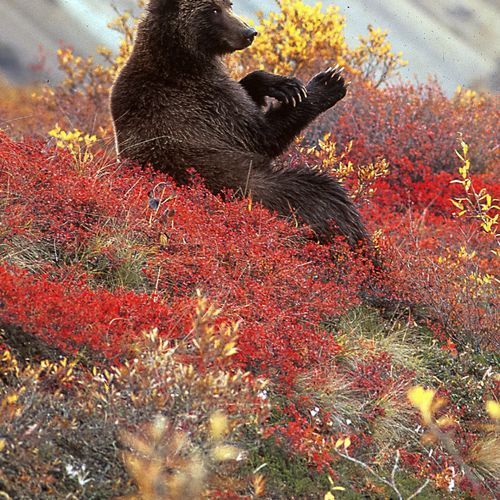
Off trail, you cross rugged country where conditions can turn harsh, and self-rescue may be necessary if something goes wrong. Weather, wildlife encounters, and river crossings all carry risk. Navigation ability and bear awareness both matter, since no markers guide the way once you leave the maintained trails. Talk with a ranger after you arrive, and follow Leave No Trace principles so the wild character stays intact for the next group.