Everglades National Park guide · 1 min read
Wet Season vs. Dry Season Survival Guide
The wet season runs from May through November, when the park is typically hot and humid. Average highs reach 90 degrees, humidity often tops 90 percent, and the heat index can climb above 100 degrees.
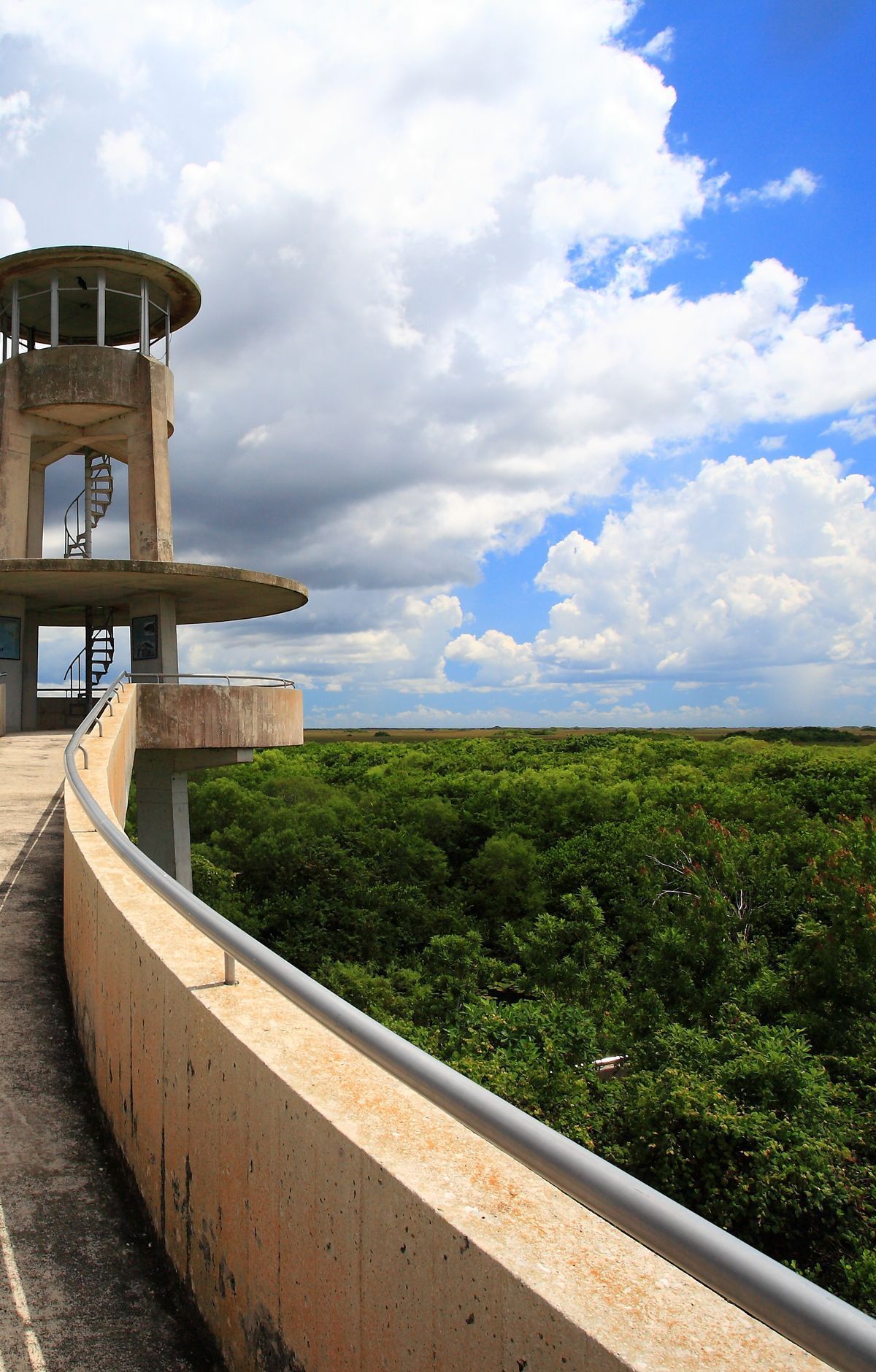
Nearly 60 inches of the year's rain falls during these months. As water levels rise, animals spread out, so wildlife is harder to spot.
Afternoon thunderstorms are expected almost every day in the wet season. The heavy rain usually passes quickly, but sudden storms can arrive at any hour, so check the forecast before you set out. Loose, light clothing helps with the humidity, and a hat, sunglasses and sunscreen guard against the sun. Carry water and drink it steadily through the day.
Mosquitoes and biting flies can be thick in some areas during the wet season, and time outdoors becomes miserable without repellent or a head net. Their numbers drop in the dry season, but they still appear in some areas, especially around dusk and dawn. Pack repellent, head nets or bug jackets no matter which season you visit.
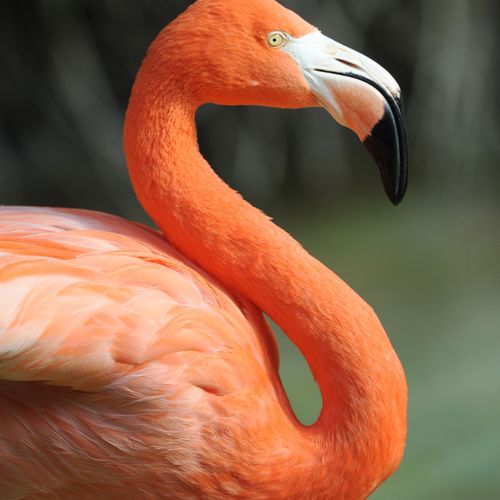
The dry season, from November through April, is mild and pleasant, with low humidity and clear skies. Average highs sit at 77 degrees and average lows at 53 degrees. Cold fronts now and then bring near-freezing temperatures, but that is rare. Wildlife is plentiful, and alligators, wading birds and fish are easier to spot. Breezy days can feel colder than the thermometer reads, so bring a layer.
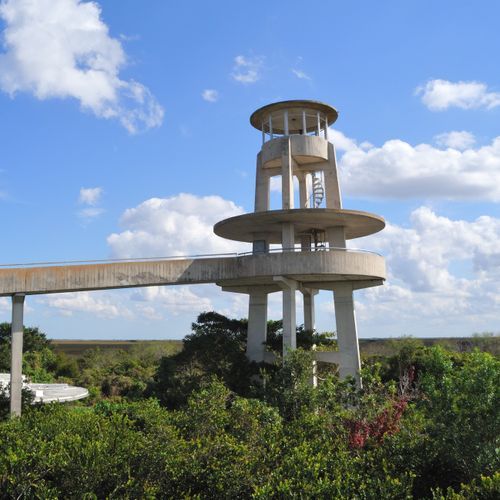
Biking at Shark Valley is a ride with no shade along the path, so the sun hits hard, especially in spring, summer and fall. Bring plenty of water and use sun protection. Hurricane season runs from June through November, and tropical storms or hurricanes may reach the area, so check conditions before you plan a trip.