Everglades National Park guide · 2 min read
Paddling the Wilderness Waterway and Backcountry Chickees
The Wilderness Waterway is a 99-mile route linking Flamingo with Everglades City, and it suits paddlers seeking an extended trip.
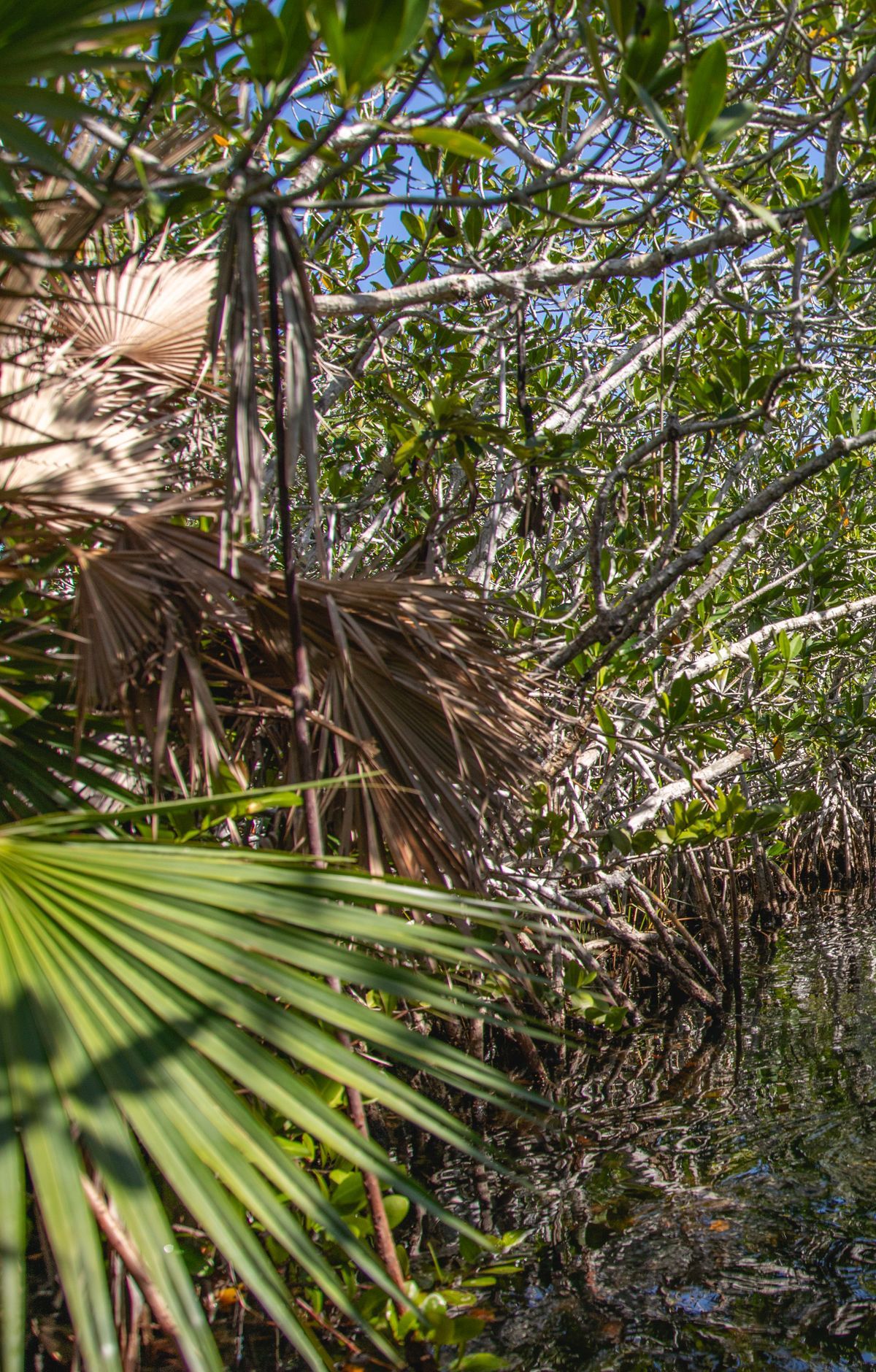
Most paddlers plan on at least eight days to complete the full journey. Because the route is demanding, it is recommended for experienced paddlers only. The wider paddling network also reaches freshwater marsh, mangrove forests, the 10,000 Islands and Florida Bay.
Once you are among the mangroves, the creeks and bays can all look alike. Nautical charts will help you find your way, and they can be bought at the Ernest Coe Visitor Center or the Flamingo Adventures marina store. Some campsites are not marked with a tent symbol on these charts, so check visitor center maps before you head out. For planning help, start at the Flamingo Visitor Center.
Chickees are raised camping platforms set above the water. Most sites can be reached by canoe, kayak or motorboat, but none of the park's 47 backcountry sites is reachable by car. The Sweetwater Chickee has a portable toilet on its deck and two covered areas for camping. Pearl Bay and Hell's Bay Chickees are also options near Flamingo.
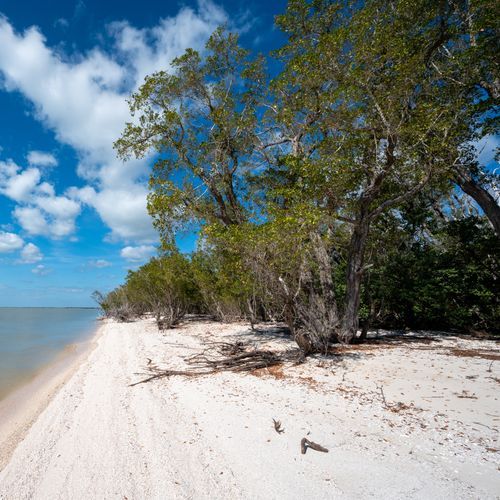
If this is your first trip, start with a one or two night outing rather than a several night run down the Wilderness Waterway. The marked Hell's Bay Canoe Trail starts from the Flamingo area and makes a sensible first outing. From there, follow the shore of Florida Bay to a beach campsite at East Cape Sable. Canoeing and kayaking suit this kind of short trip, whether you follow a marked trail or paddle to a backcountry chickee.
Wilderness campsites require a backcountry permit. Most sites are covered by permits picked up at the Flamingo and Gulf Coast visitor centers, while two land sites in the Long Pine Key area are handled at the Ernest Coe Visitor Center.