Grand Canyon National Park guide · 1 min read
Dark Skies and the Grand Canyon Star Party
Every June, the Grand Canyon Star Party turns both rims into an open-air observatory for eight nights.
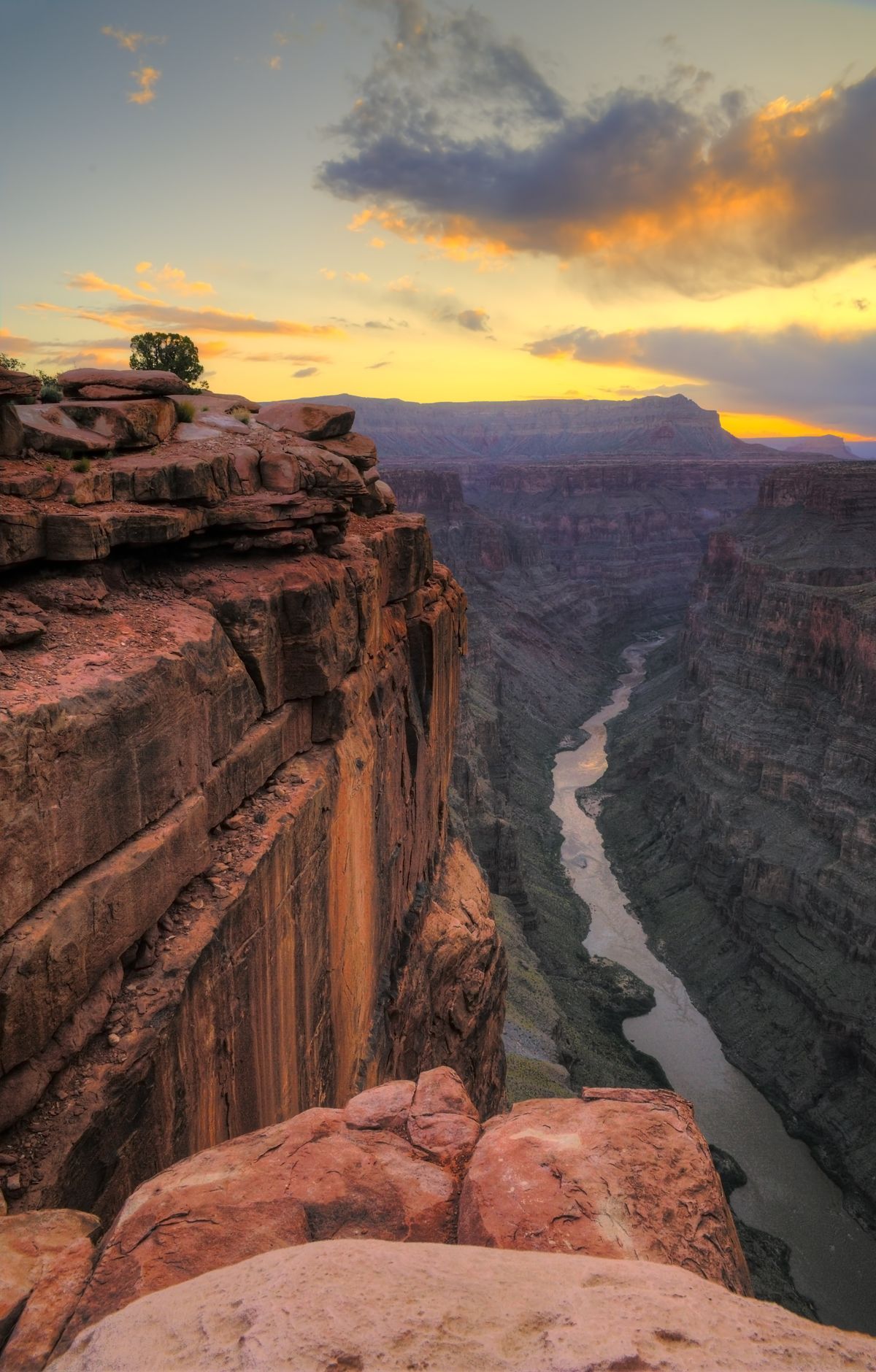
On the South Rim, the Tucson Amateur Astronomy Association sets up near the Grand Canyon Visitor Center. On the North Rim, the Saguaro Astronomy Club of Phoenix hosts the gathering. Volunteer astronomers come from all over the country, bringing their own telescopes and expertise, and the event is open to the public.
The event works because the sky here is so dark. Few spots on Earth can match the clean, unpolluted night sky above the canyon, and the Milky Way spreads overhead in a pale white band. The International Dark Sky Association has certified Grand Canyon as an International Dark Sky Park.
At the telescopes, volunteers aim their instruments at planets, star clusters, nebulae and distant galaxies. The viewing does not wait for sunset. During the day, solar telescopes give a safe look at the sun, and slide programs add background on what you will see after dark.
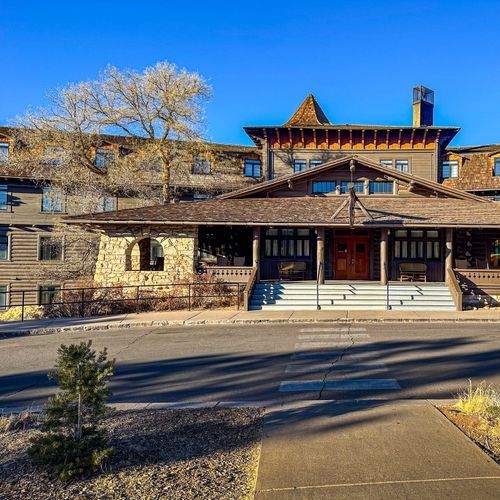
On the North Rim, each evening brings a row of telescopes to the Grand Canyon Lodge porch. Inside, the lodge auditorium hosts an astronomy program, with recent topics ranging from archaeoastronomy to poetry under the stars to photographing the Milky Way. Constellation talks run through the night outside, and park bulletin boards list the program lineup.
If you cannot make it in June, the park offers astronomy programs throughout the year. You can also watch recordings from the Virtual Grand Canyon Star Party. In those sessions, cameras mounted on the telescopes let viewers watch astronomers build astrophotographs of galaxies, nebulae and globular clusters in real time.