Grand Teton National Park guide · 1 min read
Iconic Teton Range
The Teton Range is the youngest range in the Rocky Mountains, and it began forming between six and nine million years ago.
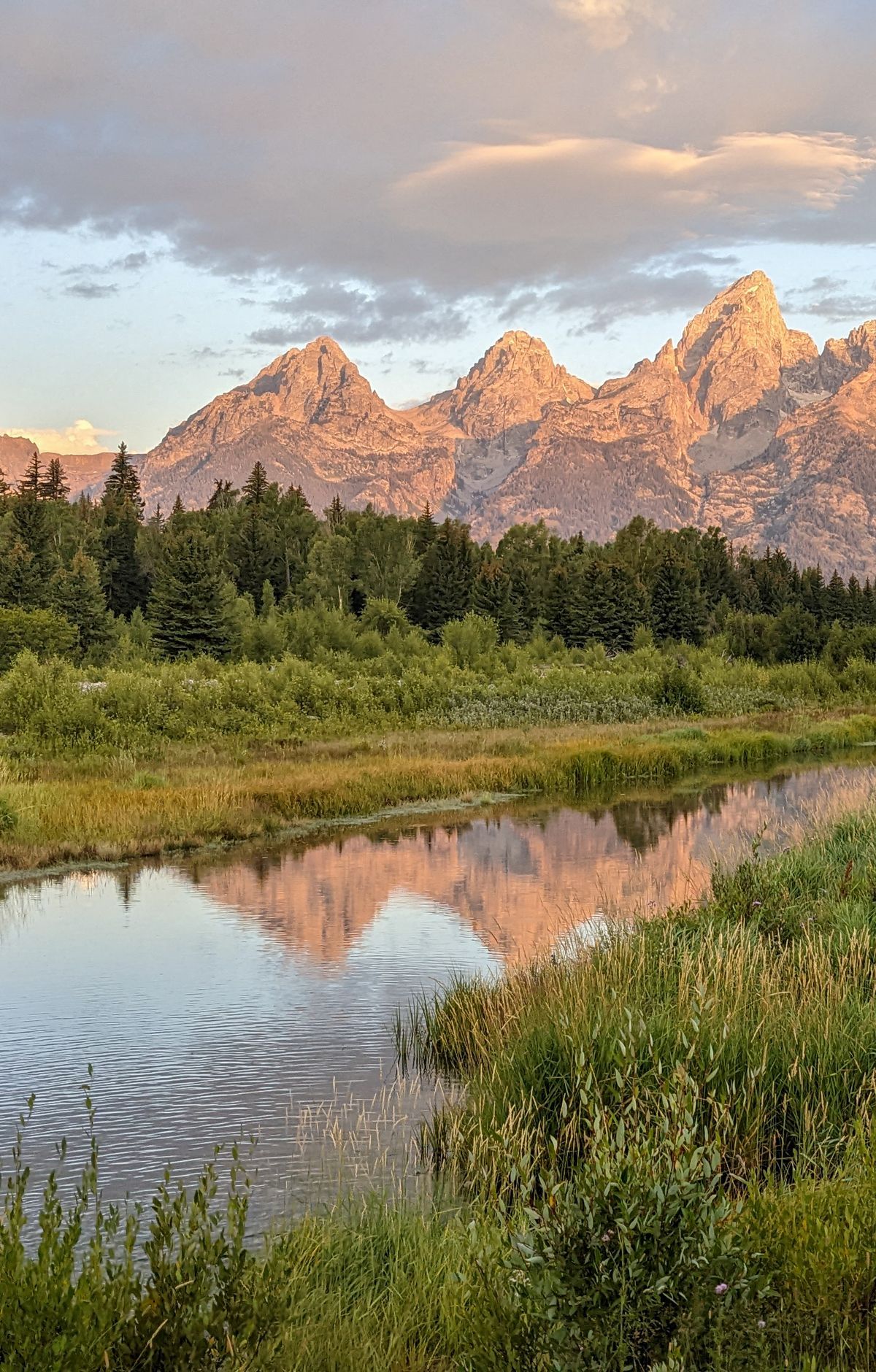
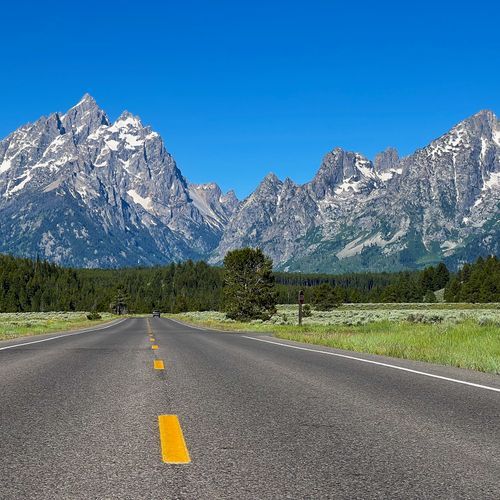
It is an active fault-block range, about 40 miles long and 7 to 9 miles wide, that climbs straight out of Jackson Hole with no foothills. Over time, earthquakes along the Teton Fault pushed the western side up and dropped the eastern side down, at an average of about one foot every 300 to 400 years. Most of that movement happened in the last two million years. The block tilts westward, so the range rises abruptly on the Jackson Hole side and slopes more gently into Teton Valley.
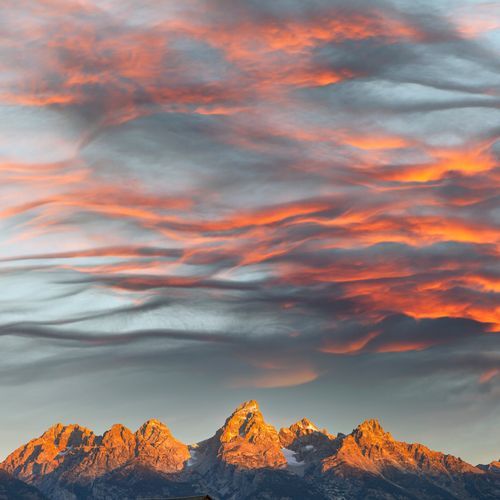
Grand Teton, the park's namesake, tops the range at 13,775 feet. Only Gannett Peak in the Wind River Range stands higher in Wyoming. Early 19th-century French trappers called these peaks les trois tetons, meaning the three teats, and the name stuck.
A string of lakes sits at the foot of the mountains. Jenny Lake draws the most visitors, while Jackson, Phelps, Taggart, Bradley and Leigh Lakes offer their own views of the peaks. Canoeing on String Lake is a popular way to take in the scenery from the water.
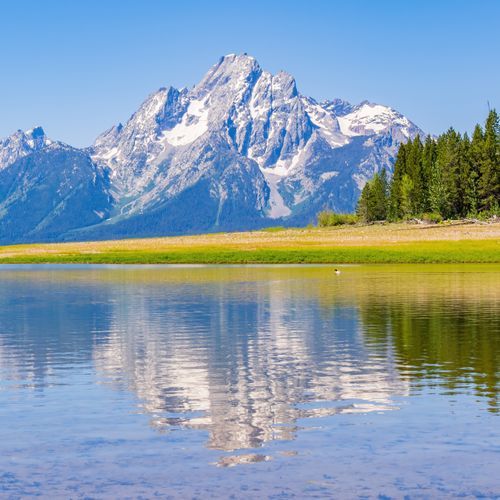
Several viewpoints have become classics. Mount Moran seen from Oxbow Bend is a favorite autumn scene, and the Snake River Overlook is where Ansel Adams made his famous photograph of the range. On Mormon Row, the Moulton brothers built neighboring barns, with John's barn framed against the peaks and T.A.'s barn just to the south.
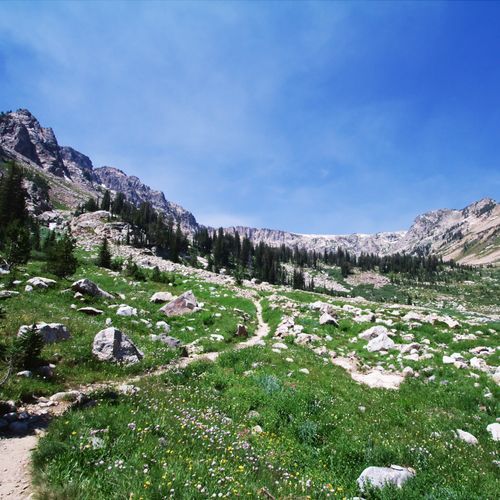
The canyons carry hikers and backpackers deep into the range. Lake Solitude, with the Cathedral Group rising behind it, is a favorite destination, and backpackers in North Fork Cascade Canyon climb toward Paintbrush Divide.