Great Basin National Park guide · 1 min read
Summer Peak Season and Year-Round Visits
Summer is the park's busiest season. As the snow melts and the park opens up, parking lots fill and the crowds grow.
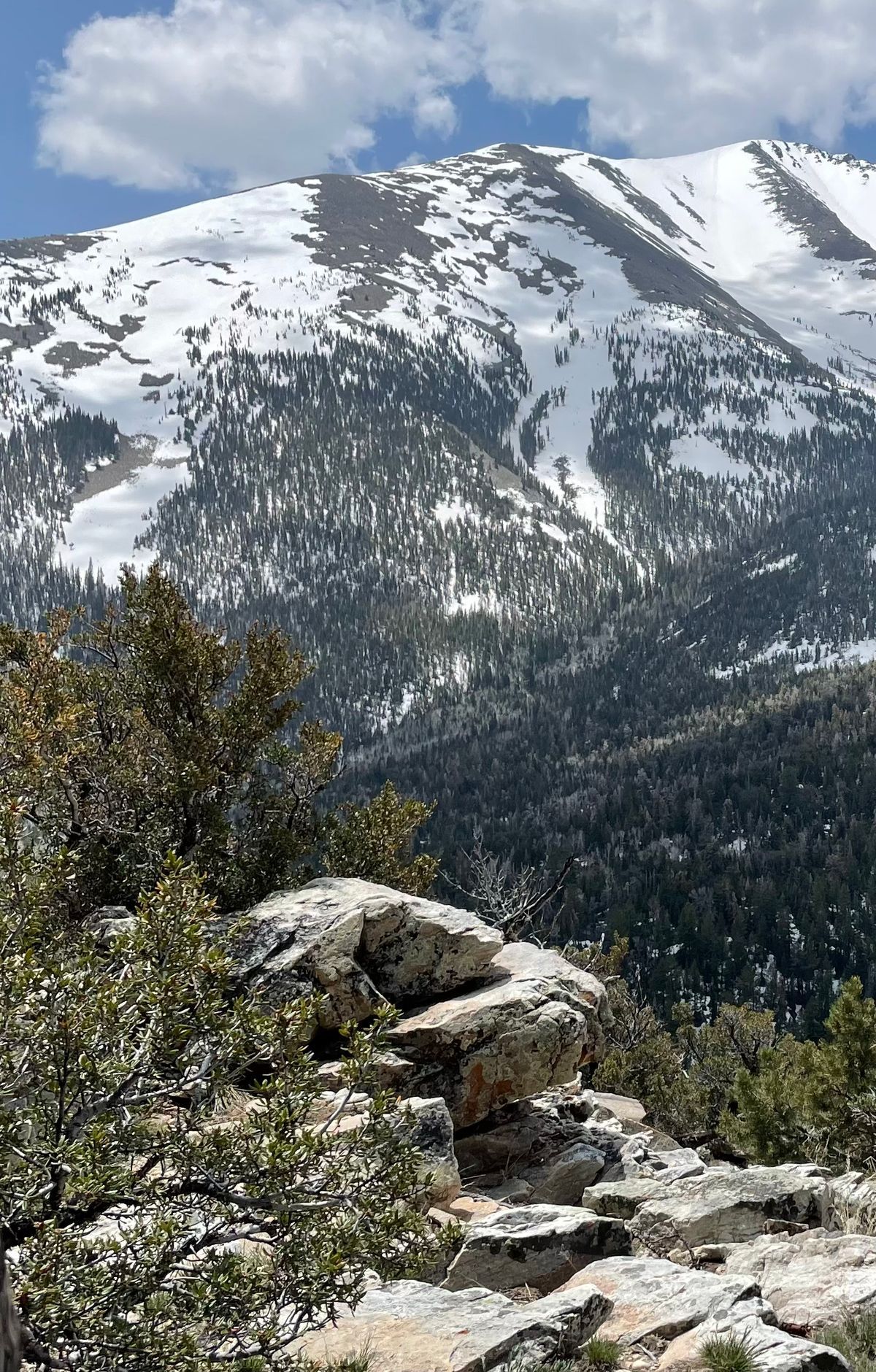
Plenty of patience and flexibility will serve summer visitors well. Nearby towns and services outside the park also open more fully during these months, which makes the visit easier to plan.
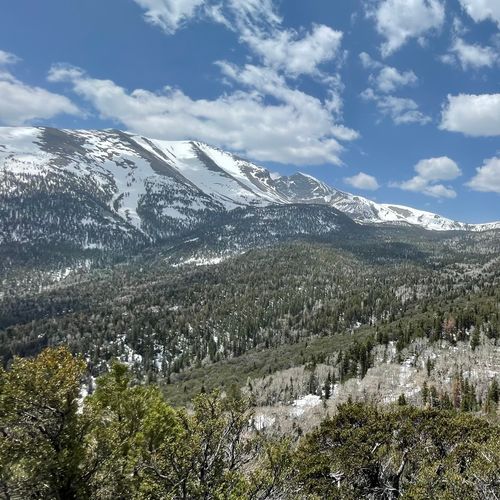
Summer is also when the Wheeler Peak Scenic Drive opens. With the snow gone and fallen trees cleared away, many of the park's best-known spots are reachable again. In autumn, the aspens lining the drive turn gold, so the route looks different later in the year. Hikers can take on moderate to strenuous trails once the snow clears, and early starts help them avoid the common afternoon thunderstorms.
Once snow leaves, campgrounds across the park become available again, and in summer, sleeping outdoors stays pleasant even at 10,000 feet. Reservations usually open several months ahead, so book as early as you can for peak season. Lightning and rain roll in with the summer monsoon, so keep an eye on the sky.
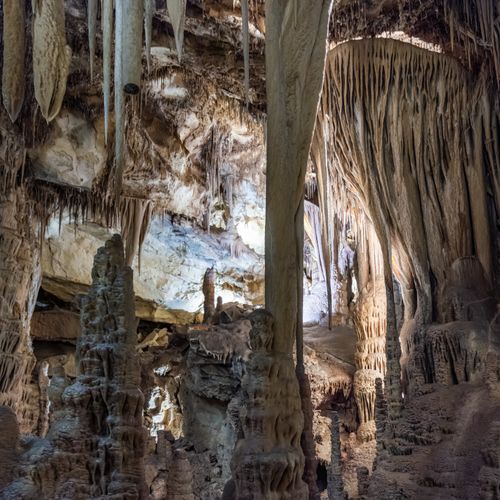
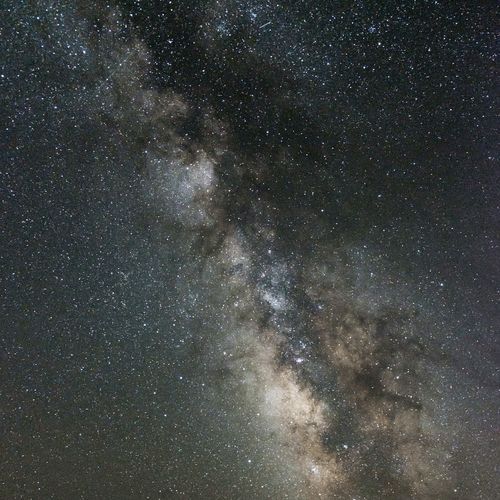
Cave tours at Lehman Caves give visitors a way to explore the park's underground features. After dark, the night sky becomes an attraction of its own. Stargazers here get some of the clearest views of the Milky Way in the continental United States, so plan an evening outdoors.
Spring keeps travelers guessing, so conditions can swing from cold and snow to an early start to summer. Days in the valley may already be hot while snow lingers in the high elevations, and wildflowers such as Indian paintbrush and globe mallow brighten the desert. In autumn, the park is easy to reach and quieter than in summer. Winter is the calmest time to visit, with snow-covered scenery and experiences you won't find in the warmer months.