Great Basin National Park guide · 2 min read
Ancient Bristlecone Pine Groves
The Great Basin Bristlecone Pine is the oldest non-clonal organism on Earth. Unlike Pando, the giant aspen that clones itself, each bristlecone is a single tree that keeps aging.
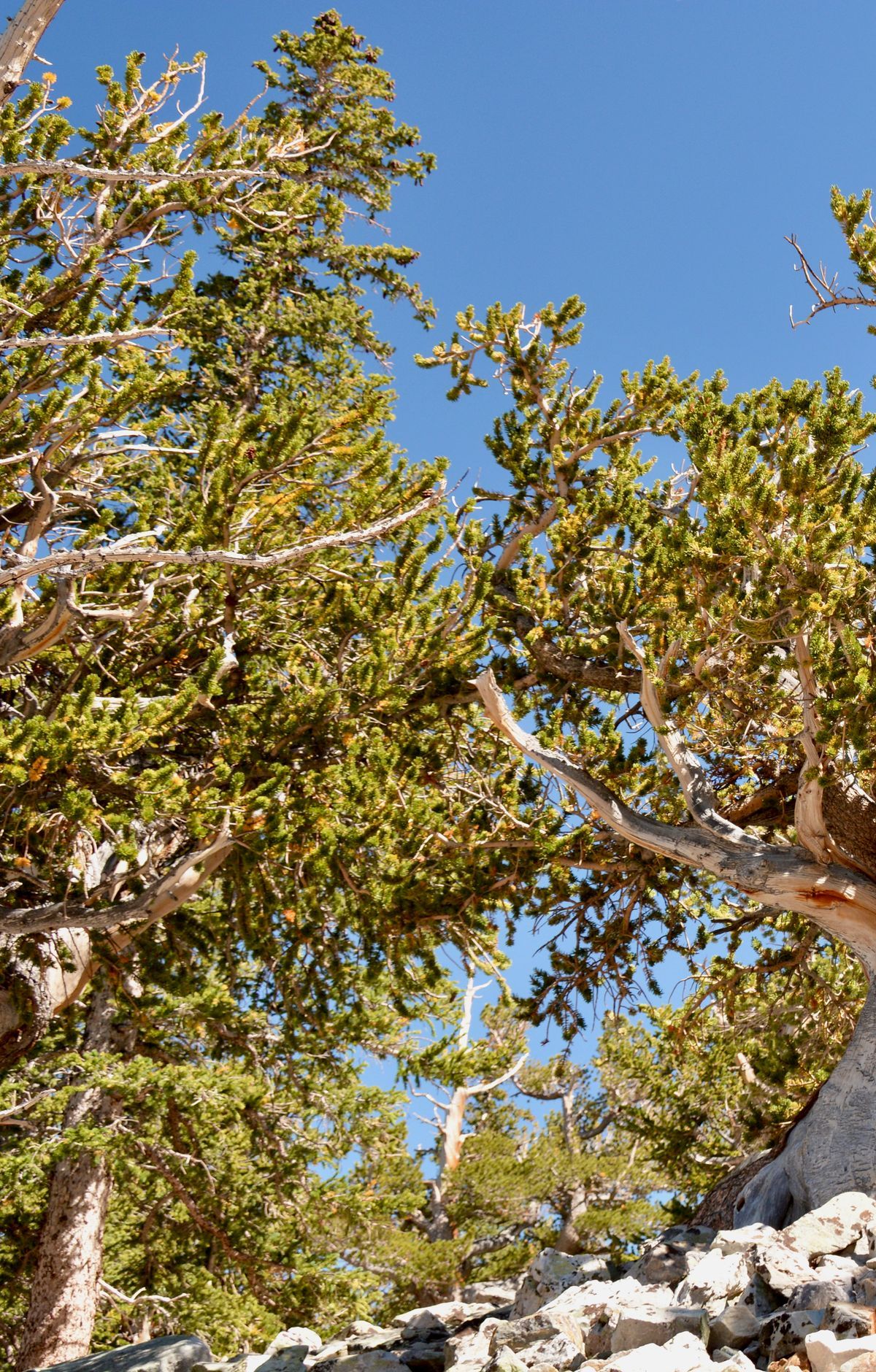
Some can live more than 5,000 years, reaching back across nearly all recorded human history.
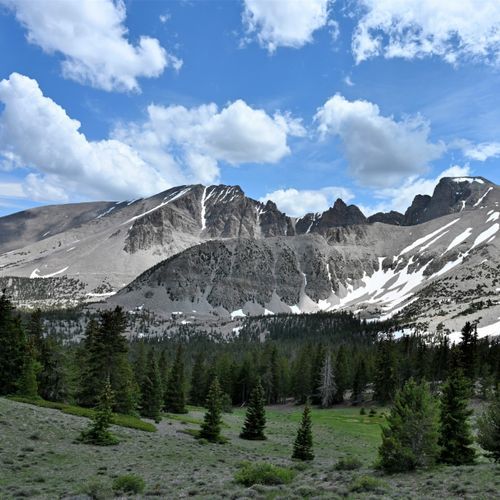
Groves sit in isolated stands just below the tree line on limestone ridges. Temperatures fall well below freezing, the growing season is short, and strong winds twist the trunks. Growth is so slow that some years add no ring, and the dense wood resists insects, fungi, and rot. Many trunks form sectors, each fed by its own root, so when one root dies, only that section dies.
Limber pines grow alongside bristlecones and look much alike, so check the needles. Bristlecone needles run about one inch long in bundles of five and pack so densely that the branch tips resemble bottle brushes. Cones start deep purple, turn brown after two years, and end each scale in a small bristle. Limber pine needles are longer, one and a half to three inches, and grow only toward branch ends.
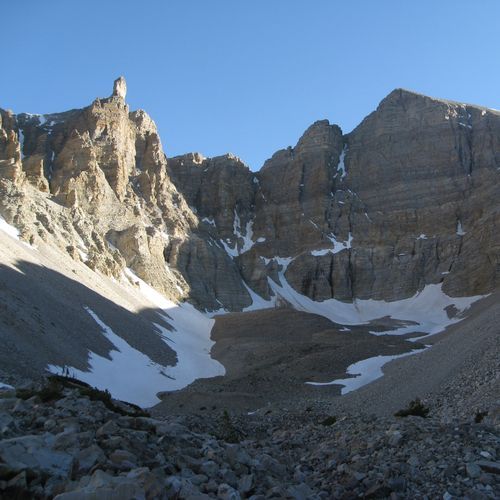
The Wheeler Peak grove has a research history. Geographer Donald Currey took core samples from these trees to study ring width and past growing seasons. Because the trees hold thousands of years of climate history in their rings, that work became part of the Prometheus story. A trail through the Wheeler cirque leads to the ancient pines.
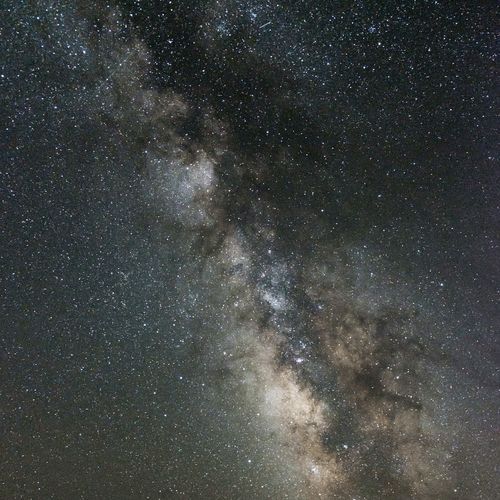
The Eagle Peak Grove sits near Eagle Peak, 10,842 feet, on the ridge between Snake Creek and Baker Creek. The terrain is steep, and the trees grow only on limestone. Few places in the United States have skies this dark. The Milky Way is visible here, so check the moon phase before you go. Leave any fallen bristlecone wood where it lies, since some pieces are ancient and still useful to science.