Guadalupe Mountains National Park guide · 2 min read
Reading the World's Largest Permian Fossil Reef
Few places preserve a Permian fossil reef on this scale, and the one in these mountains is the most extensive in the world.
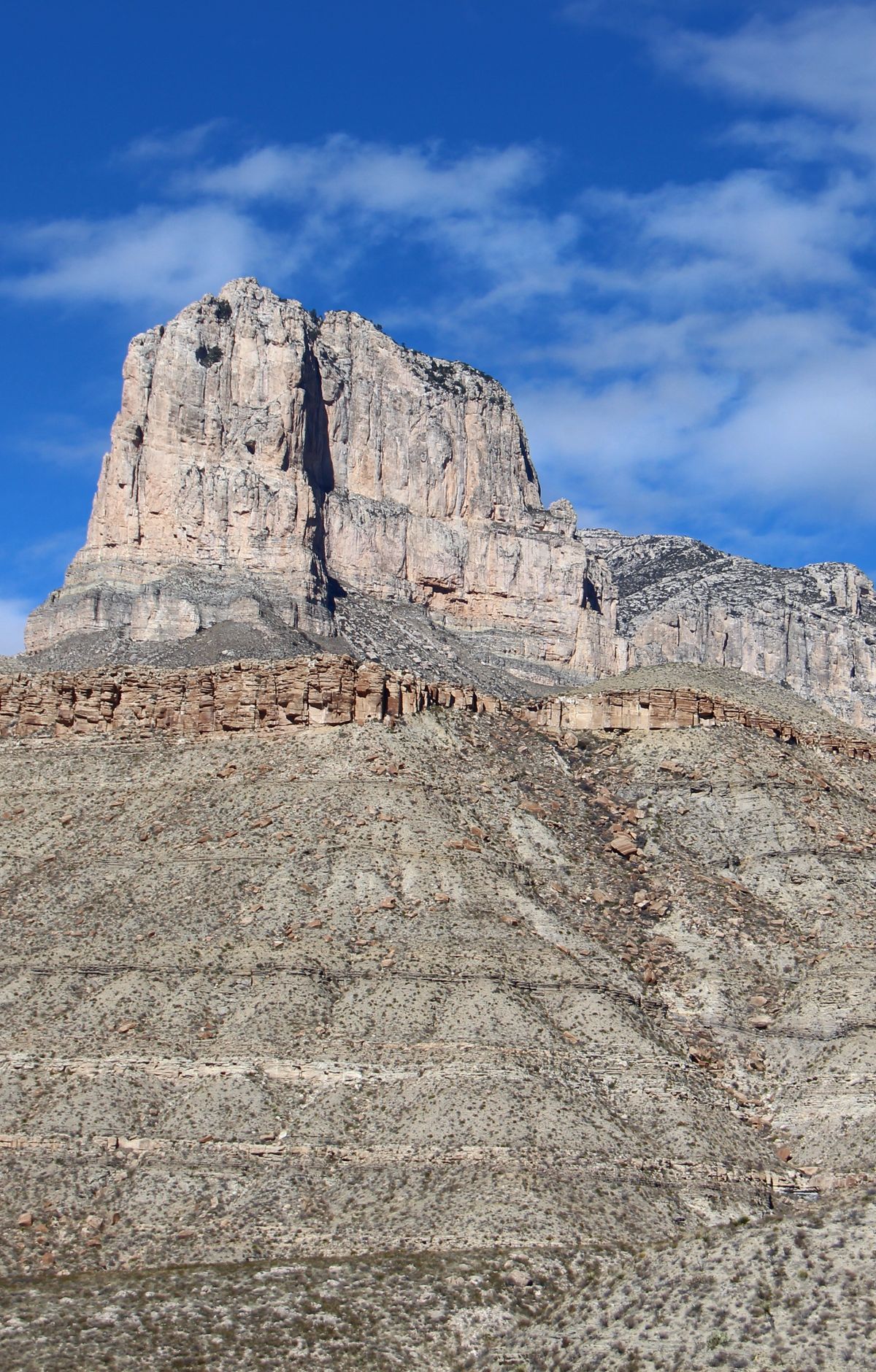
The range is built from limestone that was laid down as an enormous ancient reef and later fossilized. As you hike, you will notice the rock breaks into chunks that wear smooth quickly, so footing can feel like loose ball bearings.
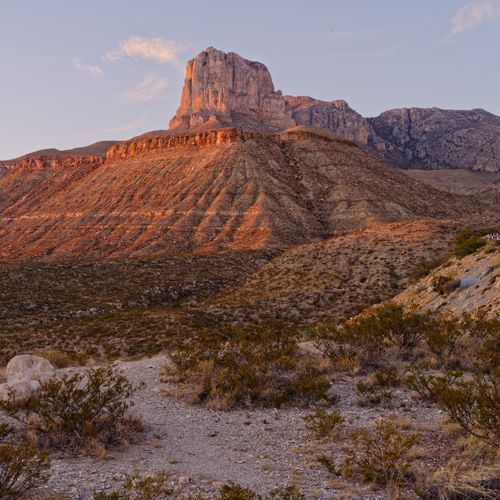
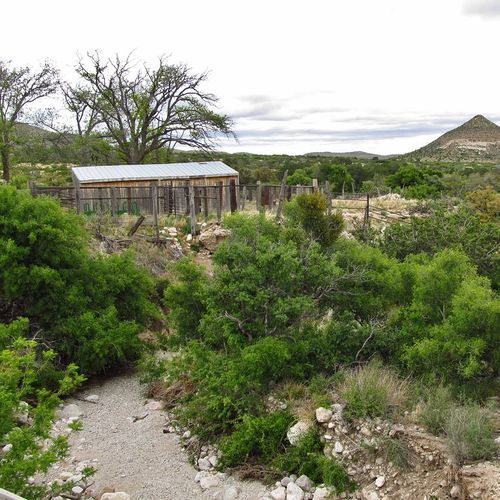
The range forms an escarpment, and its most prominent summit, El Capitan, sits at the southern end. Travelers on the route that the Butterfield Overland Mail stagecoach line later followed relied on El Capitan as a landmark. Near the Pine Springs visitor center, the remains of a stagecoach station can still be seen. Guadalupe Peak, the highest point in Texas at 8,751 feet, rises nearby and is less conspicuous than El Capitan, while the park also encompasses the state's four tallest summits.
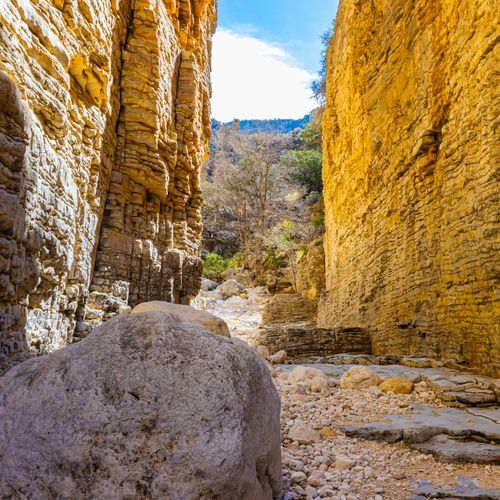
The Permian Reef Trail begins at the McKittrick Canyon Trailhead and heads up the canyon's north wall to the crest of Wilderness Ridge. Hikers cover about four miles one way and climb roughly 2,000 feet along the way. The trail was designed to show off the Permian age geology and fossils, and on the way up you pass a narrow slot canyon and oddly shaped rock formations. From the ridge, South McKittrick Canyon spreads out below.
McKittrick Canyon has several other trails. The McKittrick Canyon Trail is the easier choice and offers multiple points to turn back, while many hikers pick the Notch trail. The Permian Reef Trail is more demanding than either and tends to see far fewer visitors.
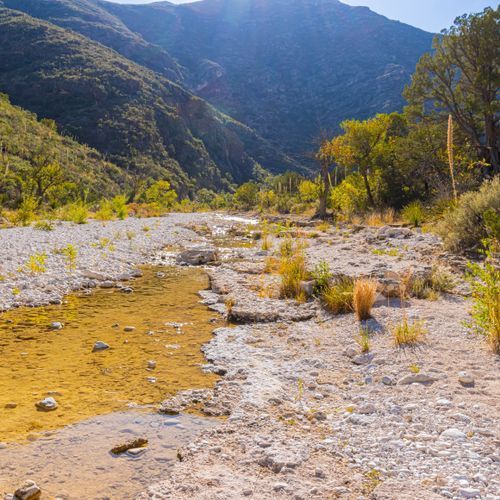
Hiking is the best way to see most of what this park offers. From the parking lots the mountains look bare and rugged, but once you climb, the scene shifts to alpine and temperate woodland, creeks, and open meadows. From the summits, you can often see more than a hundred miles.