Hot Springs National Park guide · 2 min read
Pine-Oak-Hickory Forests and Their Wildlife
Most of the park is forest, and the main type is oak-hickory-pine. In the low basins and on the ridge faces that look north, oaks and hickories dominate.
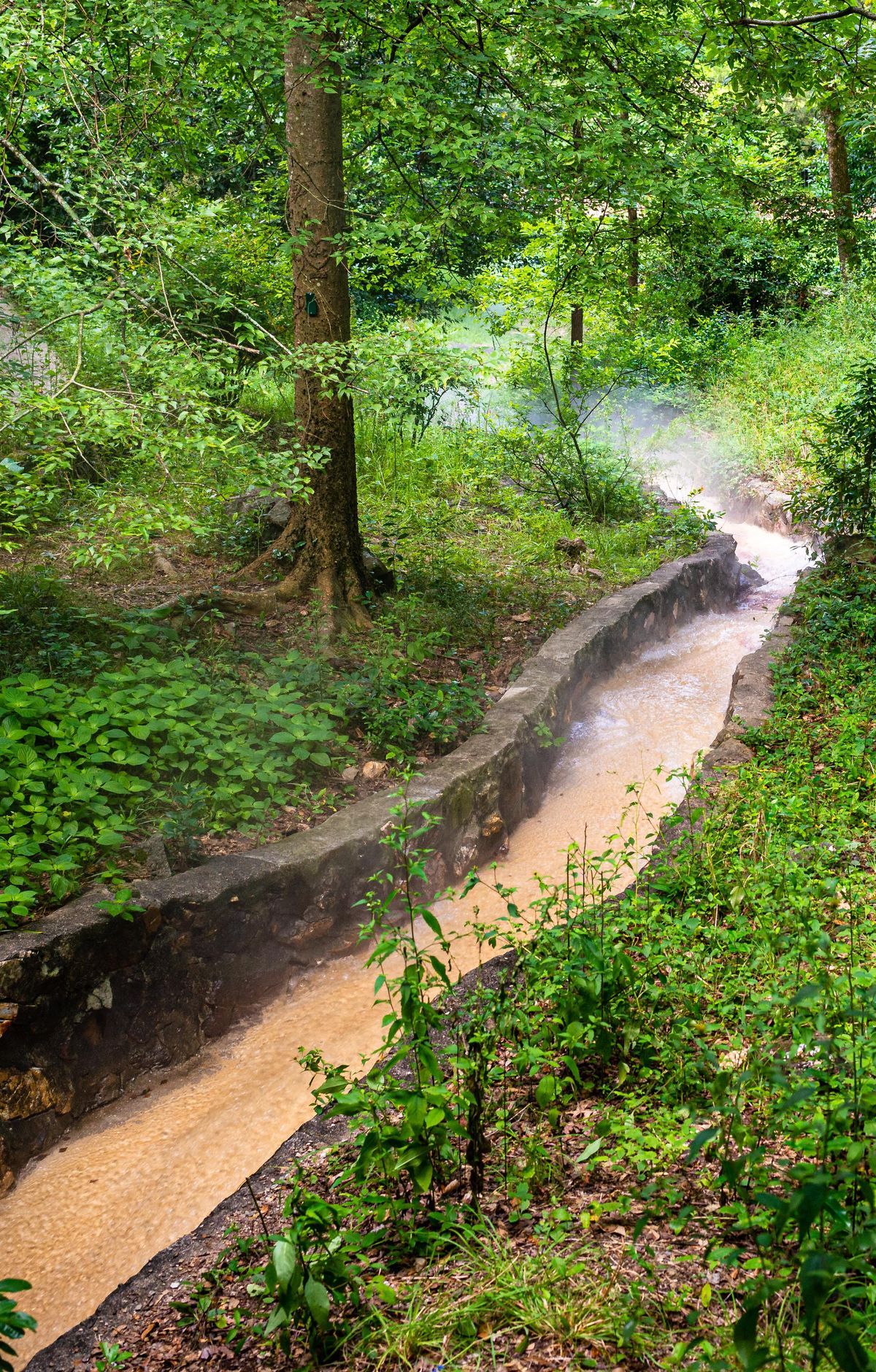
Pines, by contrast, grow on the southern flanks of the ridges. The old-growth stands, pine and oak forests that were never logged, cover 230 acres on North and Hot Springs Mountains and 90 acres on Sugarloaf Mountain. Shortleaf pine, blackjack oak and white oak are among the species there, and many trees are more than 130 years old, with a few past 200.
Many animals live in these woods. White-tailed deer, wild turkeys, gray foxes, coyotes, raccoons, squirrels, rabbits, skunks and nine-banded armadillos are among them, along with chipmunks, long-tailed weasels, mink and Virginia opossums. Black bears make their home in the park too. Plains bison, elk, cougars and red wolves disappeared from the region once Europeans settled it.
Among the forest plants, umbrella magnolia shows white blooms, and Ouachita blazing star produces pinkish purple ones. Woodland stone crop gives off a fragrance from its white flowers, and delicate lip ferns grow on damp tufa.
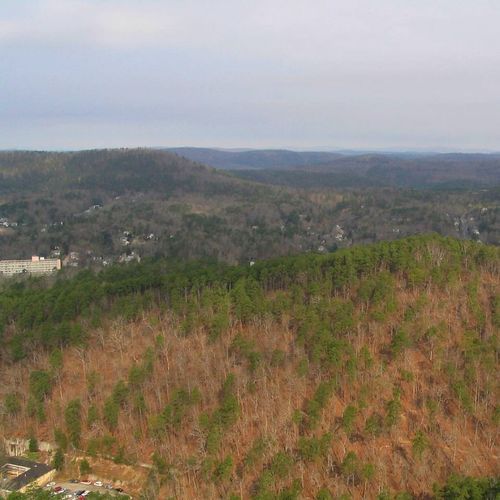
Many people come to watch birds through the year, and the park runs an annual bird count. Some migratory birds follow the Mississippi Flyway and stop in the area for part of the year. The park's 26 miles of hiking trails wind through woodland, with views along the way. Motorists can climb West and North Mountains by car, and the overlook on West Mountain looks down on downtown Hot Springs and the hills around it.
For more forest, the Ouachita National Forest covers 1.8 million acres across central Arkansas and southeastern Oklahoma, and its headquarters are in Hot Springs. It is managed for timber, watershed protection, wildlife habitat and outdoor recreation, and visitors can camp, hike, bike, drive scenic routes, fish and hunt there.