Kobuk Valley National Park guide · 2 min read
Inupiat Subsistence Along the Kobuk
Unlike most national parks, Kobuk Valley lets local people hunt and gather from the land. Hunting is limited to local rural residents, who need an Alaska state hunting license and must follow federal subsistence rules.
The Inupiat, who live in the valley today, depend on hunting and fishing throughout the region. People have lived here for at least 12,500 years.
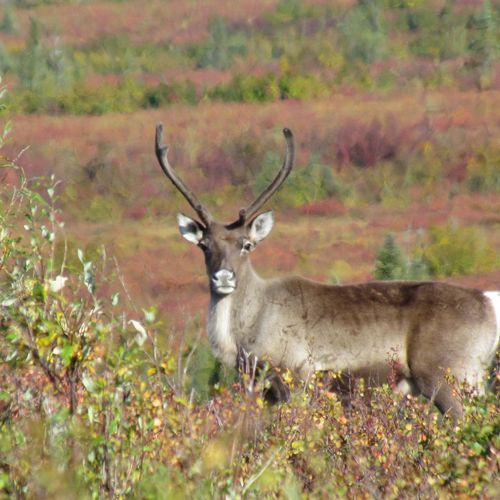
Roughly 400,000 caribou make up the Western Arctic herd. Each year the animals travel between land south of the Waring Mountains, where they breed in winter, and country north of the Baird Mountains, where calves are born in summer. Inupiat hunters have long taken caribou where the herd swims the Kobuk River. At Onion Portage, that harvest has gone on for about 9,000 years and continues now.
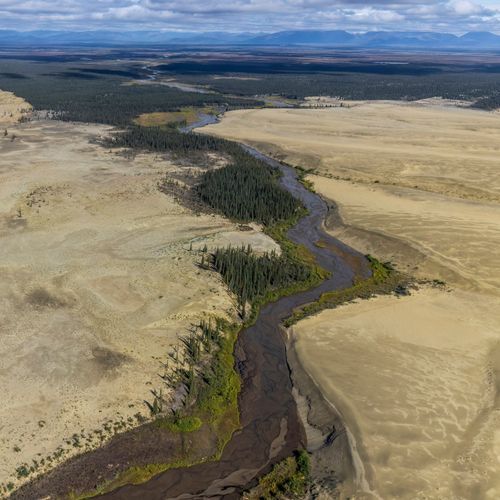
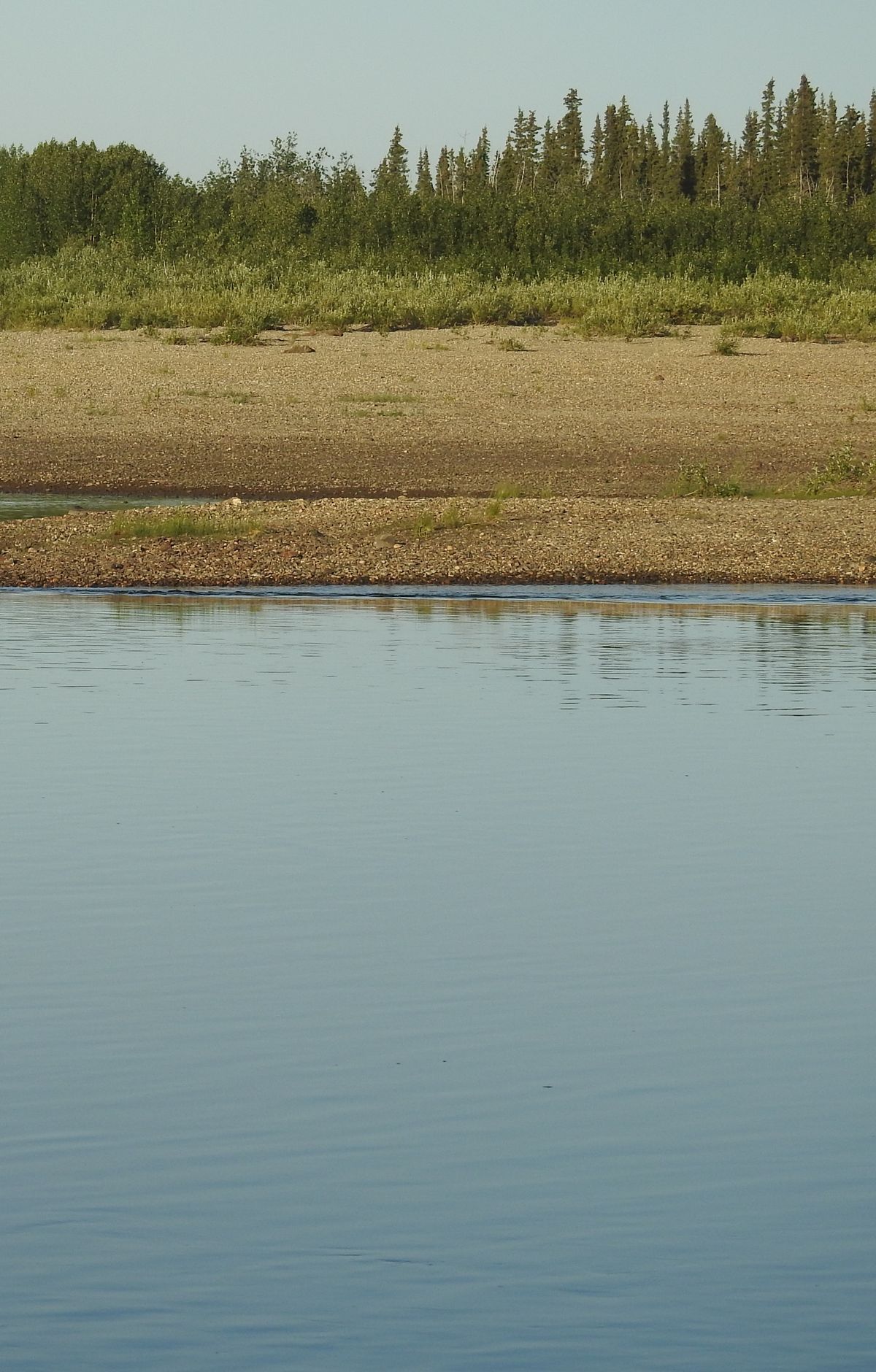
Onion Portage Archeological District, a National Historic Landmark, sits at the east end of the river's run through the park. Archeologists have identified nine cultural complexes at this major caribou crossing. The river still serves people and animals alike, and travelers may see caribou, moose, bears, wolves and birds along its banks.
Whitefish stay in the Kobuk all year, giving nearby communities a reliable staple. In summer, village families catch hundreds of salmon and whitefish in set nets and dry them to eat over the following months. Visitors may fish with an Alaska state fishing license, and anyone may pick berries to eat, though not to sell.
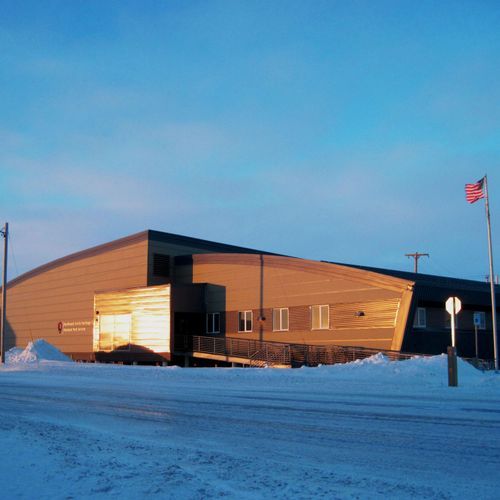
Many parcels of private land lie inside the park, and for many residents it is home. If you see belongings, buildings or other signs that people live nearby, keep your distance. When you come upon people hunting or gathering, stay well back and let them go about their work. Before heading out, stop at the Northwest Arctic Heritage Center in Kotzebue to tour the museum and talk with a ranger.