Lake Clark National Park & Preserve guide · 1 min read
Peregrines, Dall Sheep, and Seal-Chased Salmon
Salmon runs tie this park's wildlife together. Fish moving inland pass through tidal estuaries, the zones where rivers reach the sea, and continue into higher country to spawn in lakes and creeks set among the mountains.
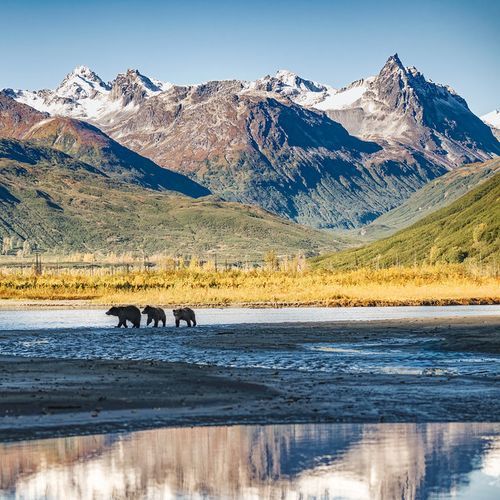
Seals and brown bears hunt them along the route. Along the Cook Inlet coast, the estuaries offer a patchwork of productive habitat that supports large numbers of bears and other wildlife.
Silver Salmon Creek gives visitors a close look at this cycle. Brown bears graze in sedge meadows from late spring into midsummer, then fish the creek during the late summer run and dig for clams on the beach. Coho salmon, pink salmon, and Dolly Varden also run up the creek then. Moose, wolves, foxes, and marine mammals have been seen there too.
Higher up, Dall sheep make their way across steep, treacherous ground. Alpine wildflowers bloom on those same slopes, so the sheep and the flowers share the high country.
Peregrine falcons are another highlight. These birds were once endangered, but they now nest on cliffs along the Tuxedni Bay coastline. From those ledges they prey on migrating birds and waterfowl that are nesting.
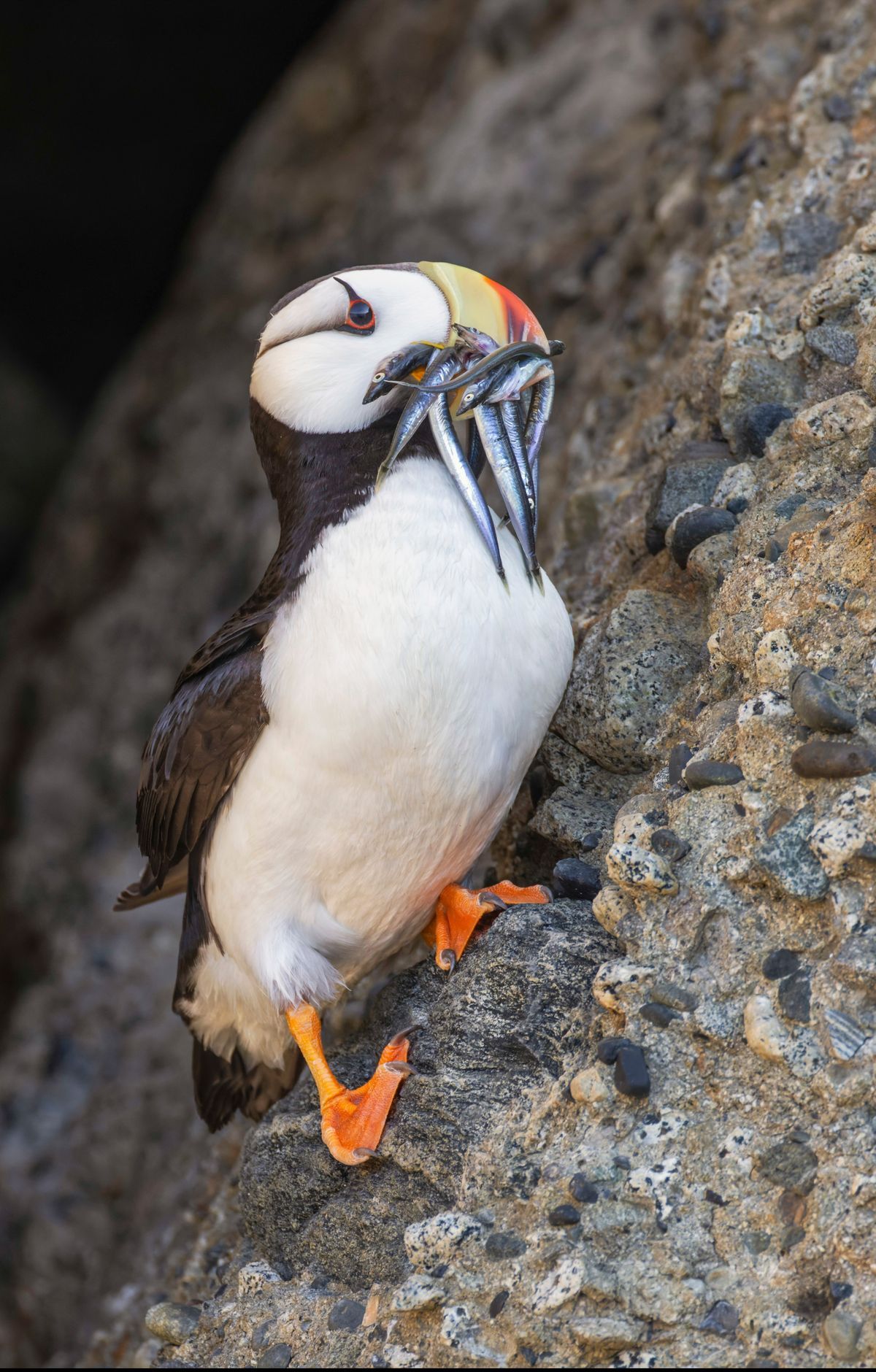
Bird watching along the coast rewards patience through the year. In spring, shorebirds gather on the mud and sand flats during migration. Walking the shoreline, visitors can scan for sea ducks in the intertidal and subtidal zones. Cliffs a short way north of Silver Salmon Creek hold seabird nests. Later in the season, once most migrants have headed south, common eiders dive offshore for invertebrates that live in the water.