Mammoth Cave National Park guide · 1 min read
Karst Country: Sinkholes, Springs and Carbonic Acid
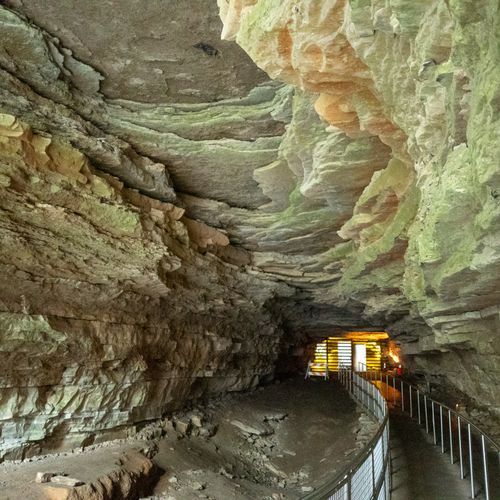
Mammoth Cave sits in a landscape of eroded limestone known as karst topography. The Mammoth Cave area is a classic example of this kind of terrain.
The limestone formed from sediment that settled on a shallow sea about 350 million years ago, building up highly soluble layers over roughly 70 million years. Water has been dissolving that rock ever since.
Rainwater picks up carbon dioxide as it seeps through the soil, and the two combine to form a weak carbonic acid. That makes groundwater mildly acidic, enough to slowly dissolve limestone. Like most major caves, Mammoth Cave was formed this way, as groundwater gradually opened passages through the rock over immense stretches of time.
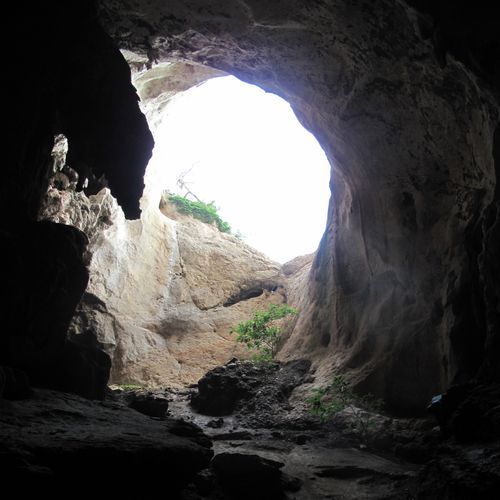
Sinkholes shape how that water moves. A sinkhole plain lies southeast of the park boundary, where many cavities pit the surface. Rain collects in these depressions and drains down tall vertical shafts that open as the rock dissolves. The water reaches an underground river, which flows north and empties into the Green River, and this steady drainage gradually lowers the water table.
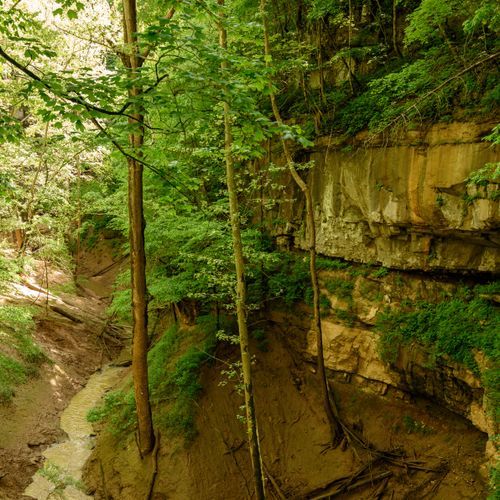
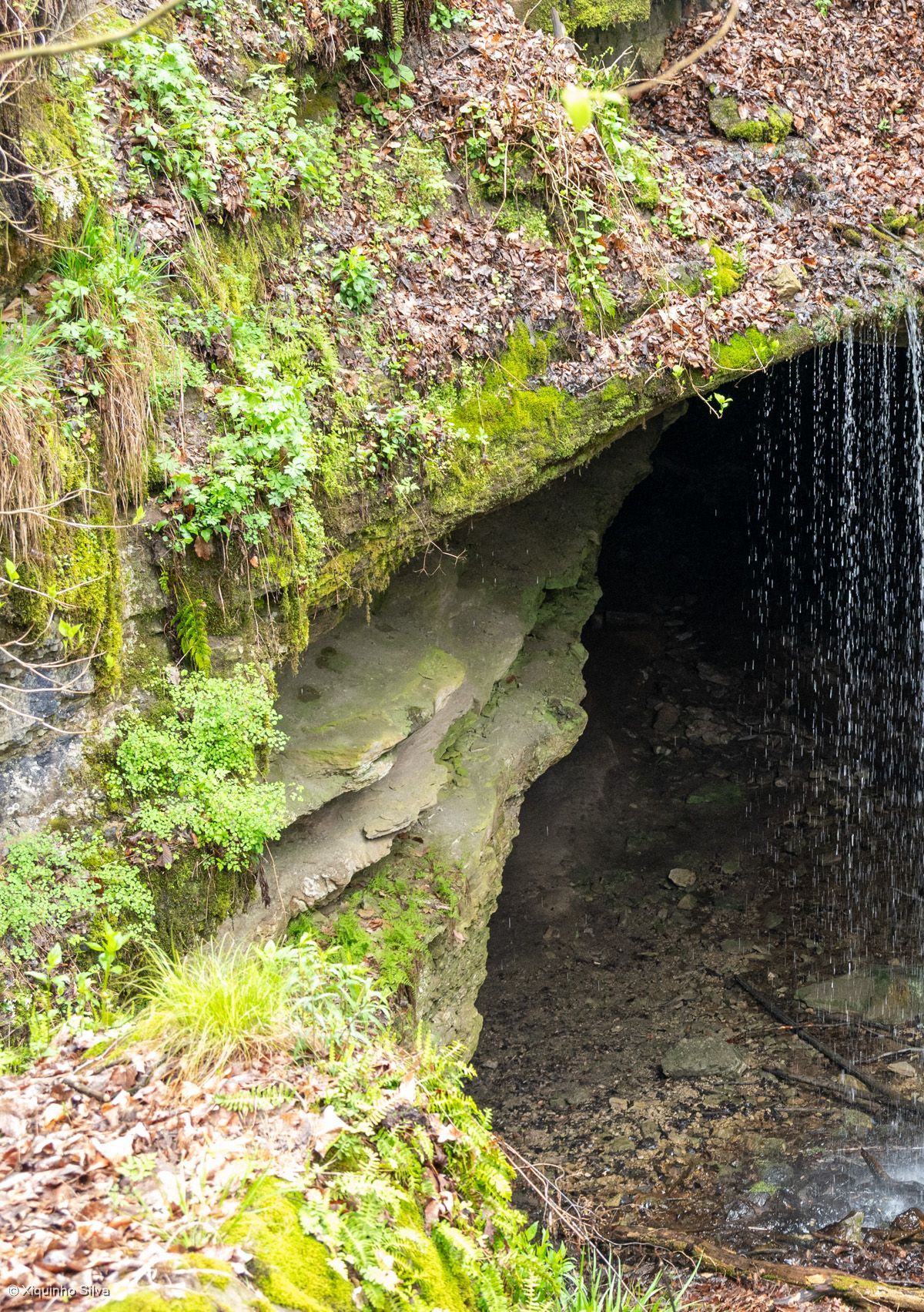
Water also moves through the rock above the caves. Thin, scattered limestone layers within the Big Clifty Sandstone form what is called the epikarstic zone, where the natural acidity of groundwater dissolves tiny conduits too narrow to enter. This zone gathers runoff and feeds high-elevation springs at the edges of ridges. Their water often runs briefly across the surface before sinking again where the sandstone caprock meets the thick limestone below, which is where the explorable caves have formed.
The result is Mammoth Cave, the world's longest known cave system, with more than 420 miles of surveyed passageway. The cave can be explored only on a ranger-guided tour, which takes visitors through the passages this water carved.