Mammoth Cave National Park guide · 2 min read
Life in the Dark: 130 Cave-Dwelling Species
About 130 kinds of life live in Mammoth Cave, and most of them are small. Biologists sort them into three groups.
Troglobites live only in caves. Troglophiles can complete their life cycles inside or outside a cave, and trogloxenes use caves only for shelter. The three groups are split almost evenly among the cave's regular residents, and all depend on energy from the surface.
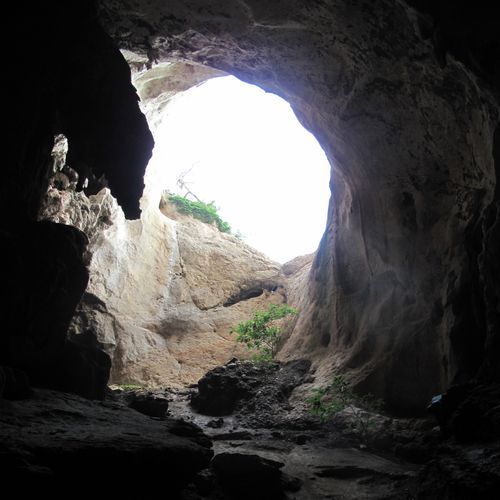
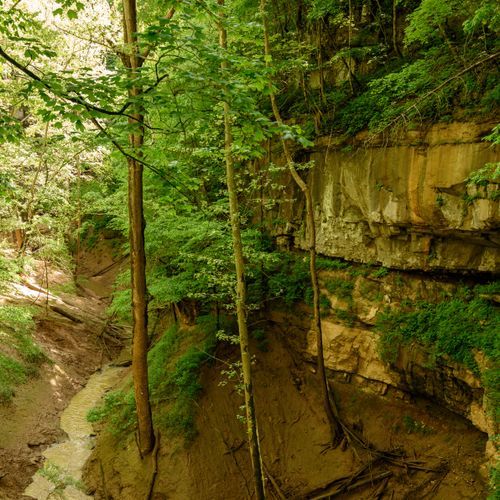
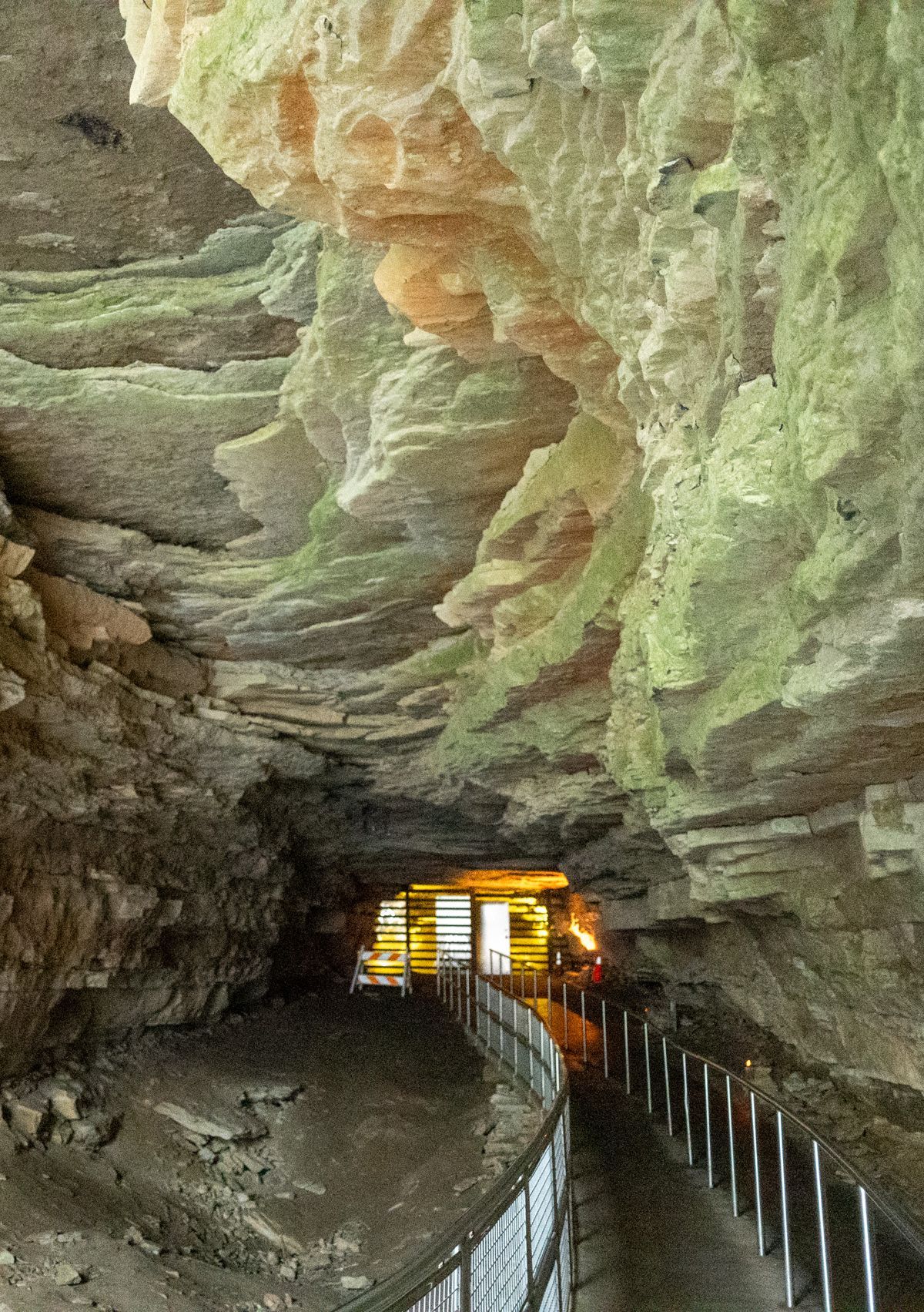
The limestone beneath the park is karst, and mildly acidic groundwater slowly dissolves it, carving out the passages and streams. Aquatic life in the cave lives in a nutrient-poor system, so it depends on very clean water. Human waste, farm runoff, spilled hazardous materials along roads and by-products of oil and gas drilling can all seep into those streams. Groundwater also arrives from far beyond the park boundary, tying the cave to the much larger Green River basin.
Mammoth Cave became a World Heritage Site in 1981 and the core area of an International Biosphere Reserve in 1990. The cave system is the world's longest known, with more than 400 miles of surveyed passageways. The cave is visible only on guided tours, and its air stays at a steady temperature all year.
Several bat species roost in the caverns, including the Indiana, gray and tricolored bats. The bats of the Historic Section were once estimated at 9 to 12 million. Today that number has fallen to a few thousand at the most. White-nose syndrome has drastically reduced bats across the cave, and restoring them is an ongoing effort. Tours end with a walk across medicated mats, which is meant to slow the spread of the disease. It does not affect people.
Many cave animals have no eyes or pigment. The eyeless cavefish and cave crayfish are examples, and the Kentucky cave shrimp lives nowhere else. Most cave creatures, though sightless, rely on other senses to picture their surroundings.