Mammoth Cave National Park guide · 1 min read
Lost John and the Prehistoric Cave Miners
In 1935, the body of an adult man was found under a large boulder inside the cave. He was later named Lost John.
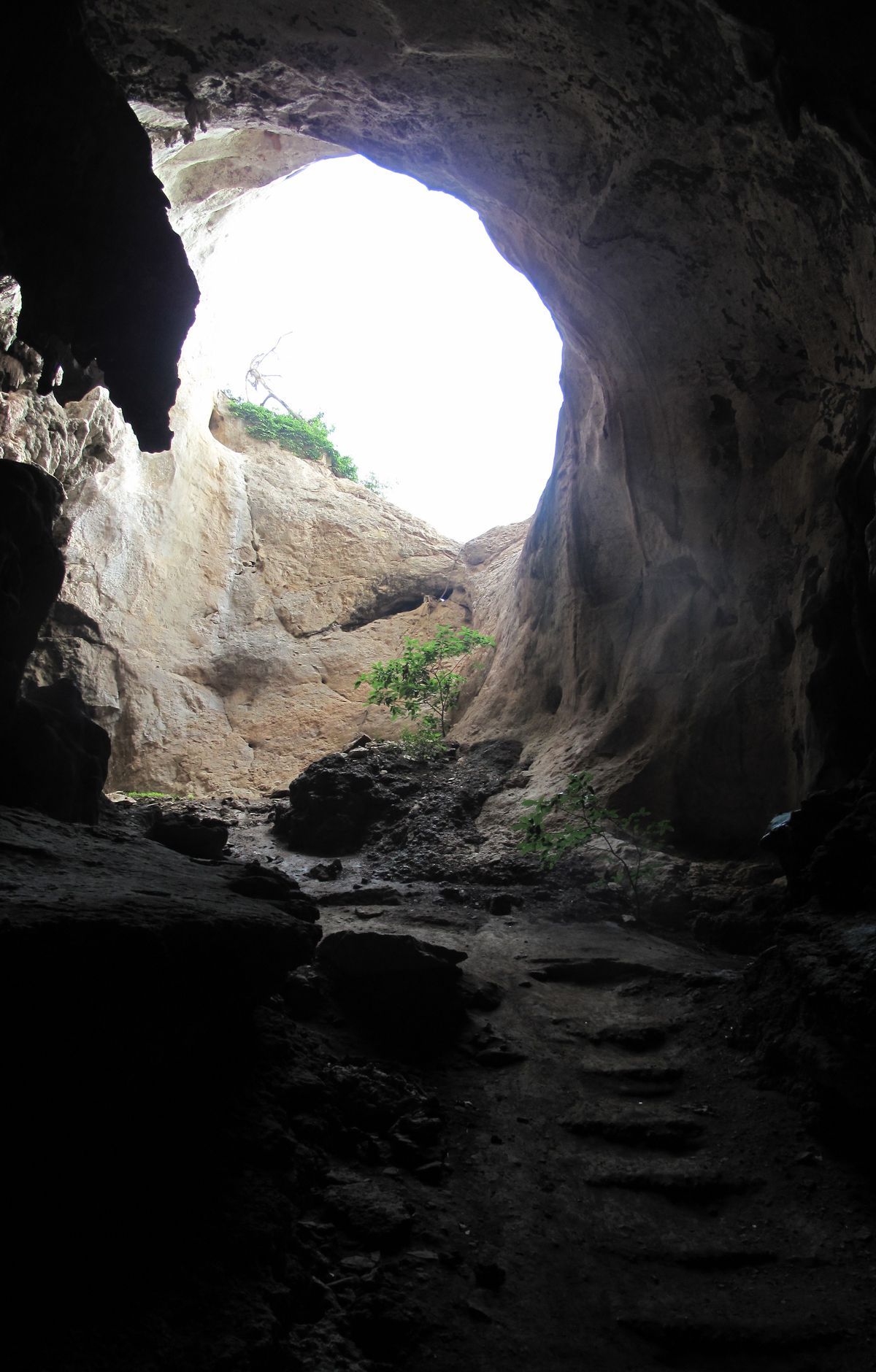
The rock had shifted and settled onto him after he disturbed the rubble that was supporting it. He was a pre-Columbian miner, and his remains were shown to visitors until the 1970s. Then they were moved to a secret place within the cave, both to protect them and because of growing concern about displaying Native American remains.
Lost John was an exception to the usual pattern. Most Native American remains recovered from the cave and nearby caves in the 19th and 20th centuries were mummies, which point to intentional burial and pre-Columbian funeral practices. Research that began in the late 1950s, led by Patty Jo Watson of Washington University, has helped reveal how the people who explored and mined these caves lived.
Human activity in Mammoth Cave goes back about 5,000 years. Early explorers lit their way with cane reed torches, and the artifacts they left behind survive in the drier passageways. Between 4,000 and 2,000 years ago, Late Archaic and Early Woodland people explored and mined minerals from the cave. Even earlier, over 10,000 years ago, Paleo-Indian hunters pursued animals in the Green River valley near the cave.
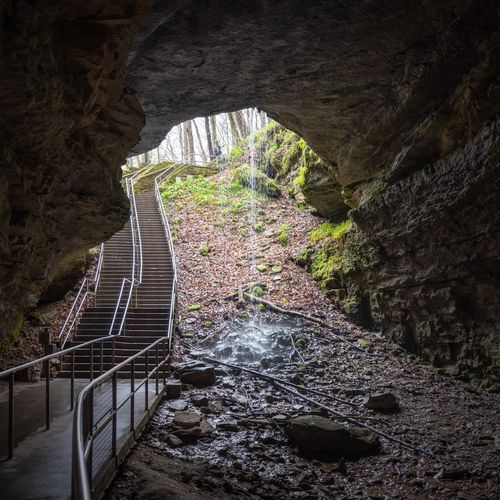
Mammoth Cave holds the world's longest known cave system, with more than 400 miles of surveyed passageways. The caves can be visited only on a guided tour, and there are several to choose from. Above ground, the park's rugged, forested hills and trails offer a second way to explore.