Montezuma Castle National Monument guide · 2 min read
1906: Roosevelt and the Antiquities Act
On December 8, 1906, President Theodore Roosevelt signed Presidential Proclamation 696 and made Montezuma Castle one of the nation's first four national monuments.
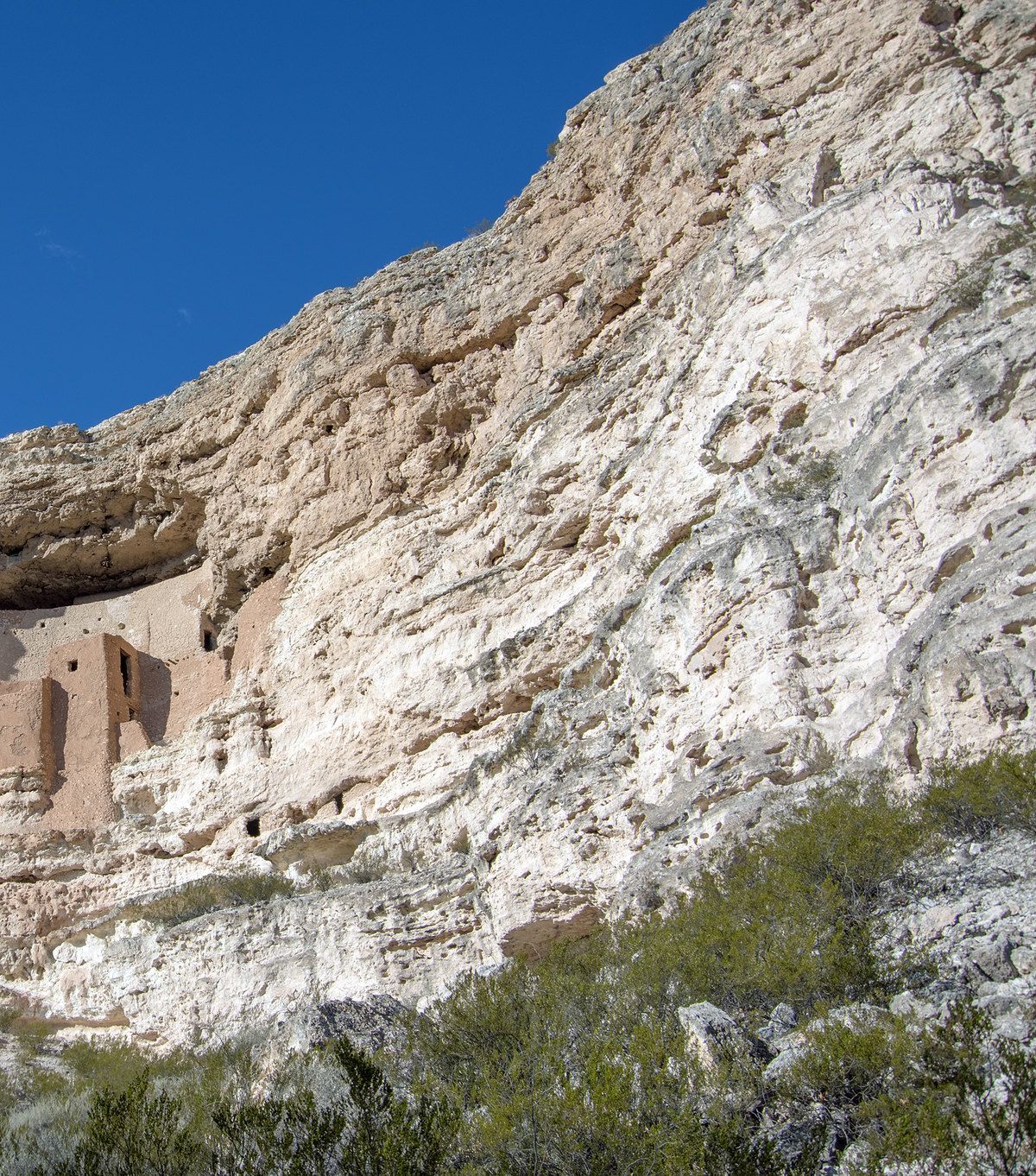
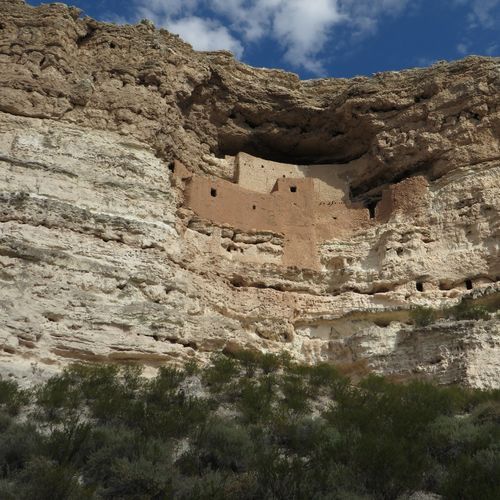
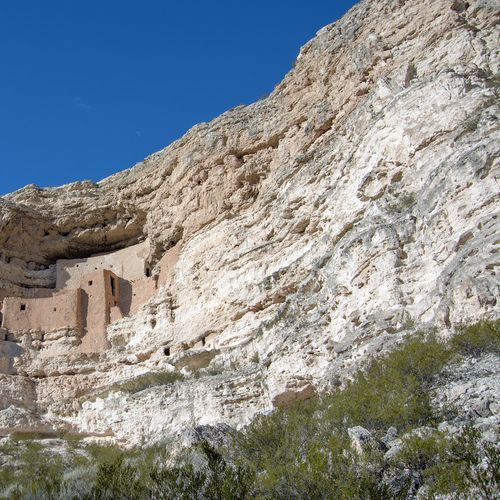
The cliff dwelling, built by the Southern Sinagua people between 1100 and 1425 CE, sits tucked into a limestone cliff above Beaver Creek. Roosevelt singled it out for its great value to ethnology and to science.
The legal tool behind that signature was brand new. Roosevelt had signed the Antiquities Act on June 8 of the same year, letting a president set aside national monuments by proclamation. The law cleared away many of the obstacles that had stalled federal protection here, and a fresh draft proclamation for Montezuma Castle went forward that August.
The push for protection came from real damage. After settlers reached the Verde Valley in the mid-1800s, travelers arrived by carriage and on horseback, many believing the Aztecs had built the castle. Some pocketed artifacts as souvenirs or carved their names into walls and roof beams, and looters even used dynamite while hunting for valuables. Scholars and worried citizens pressed for action, and archaeologist Edgar Lee Hewett and Iowa Senator John F. Lacey played a large part in winning it.
Early visitors climbed wooden ladders propped against the cliff to step inside the rooms, and in the 1940s rangers still helped people make the climb. Interior access ended in 1951 over concerns for visitor safety and the fragile structure. Today a paved trail of about a third of a mile runs along the base of the cliff below the dwelling.
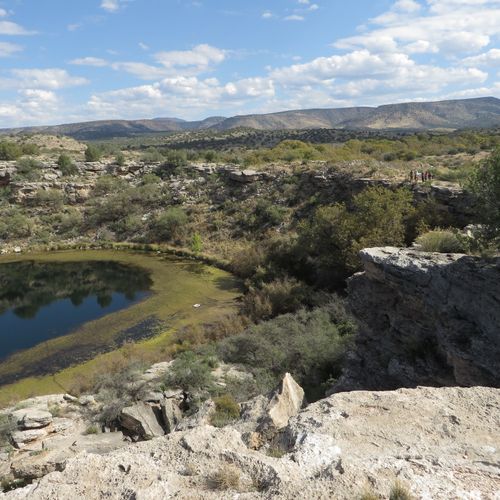
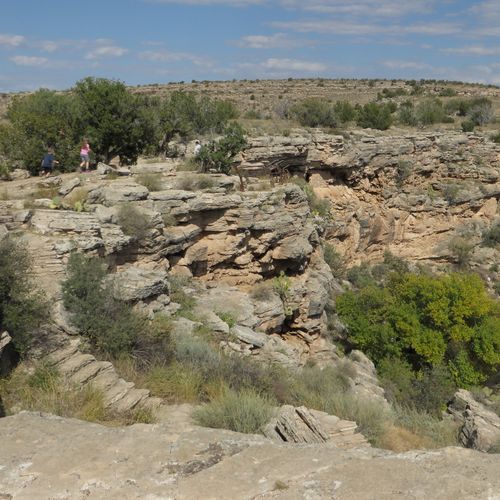
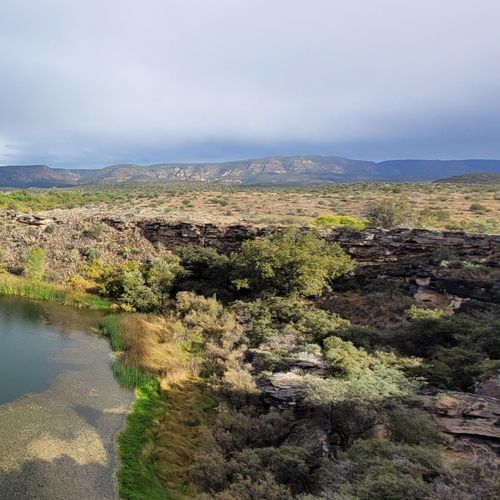
The monument grew in 1943 to include Montezuma Well, a limestone sinkhole a few miles north ringed by cliff dwellings and an ancient irrigation system. The park also keeps a photo gallery of Founders Day at Montezuma Castle alongside its images of the site's structures.