Montezuma Castle National Monument guide · 2 min read
Desert Plants and Sinagua Ethnobotany
Two small units, the Castle and the Well, hold 379 plant species between them. That count stands out for semiarid upland country that gets less than 12 inches of rain in a year.
People have relied on these plants for about a thousand years, and the study of that relationship is called ethnobotany. The trails here are a good place to see it up close.
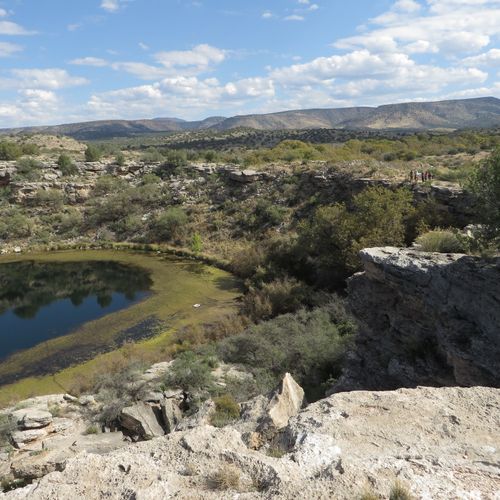
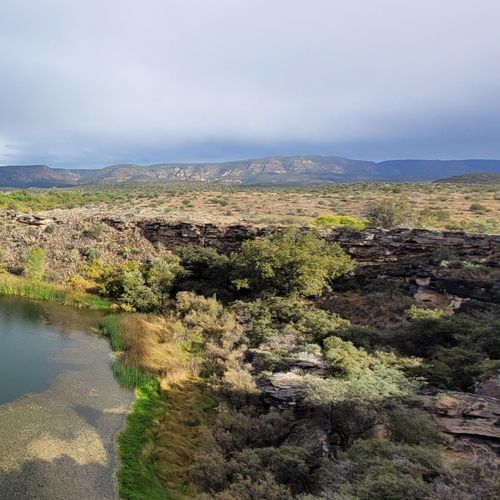
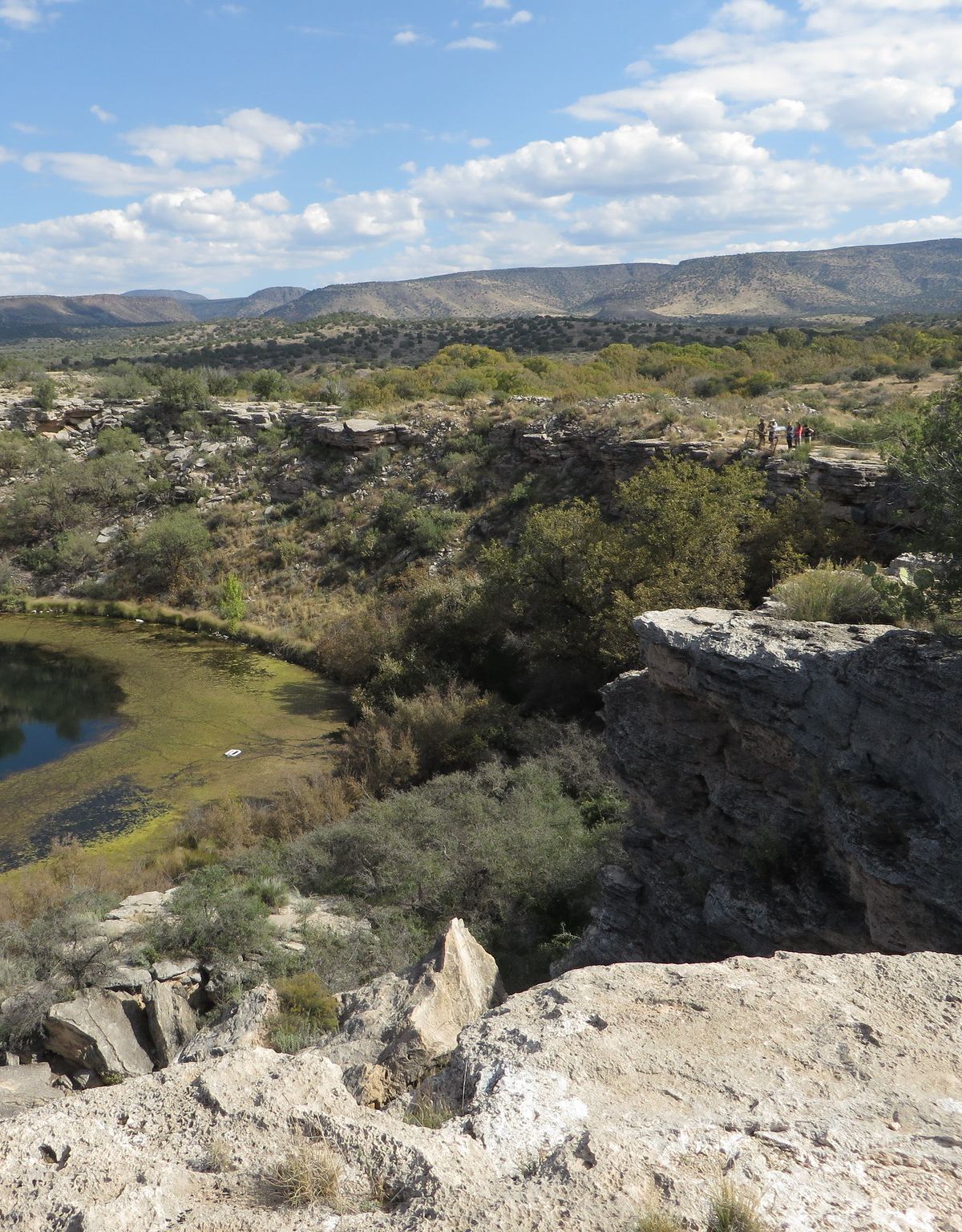
Water explains much of the variety. Several streams flow year-round from the uplands down into the Verde Valley, laying narrow green bands of riparian growth across dry, rolling hills covered in juniper. Away from the water, mesquite, catclaw and saltbush are built to handle drought. Along the creeks, damp pockets support monkeyflower and columbine, and tall sycamores and cottonwoods grow only in these corridors.
The Southern Sinagua who lived here from about 1100 to 1425 were mainly farmers. They raised corn, beans and squash to eat, and cotton to weave and trade. Rather than depending on rain, they dug canals that diverted Beaver Creek and the flow from Montezuma Well into their fields. Wild foods filled out the diet, too. Along with hunting and fishing, they gathered native plants, and some of them, including prickly pear, agave and mesquite, still end up on dinner tables today. Food was ground on stones called manos and metates.
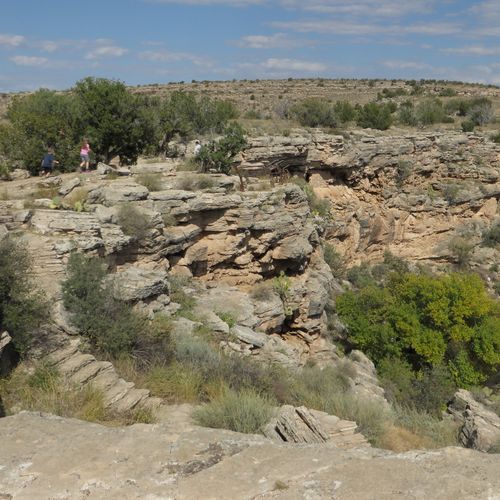
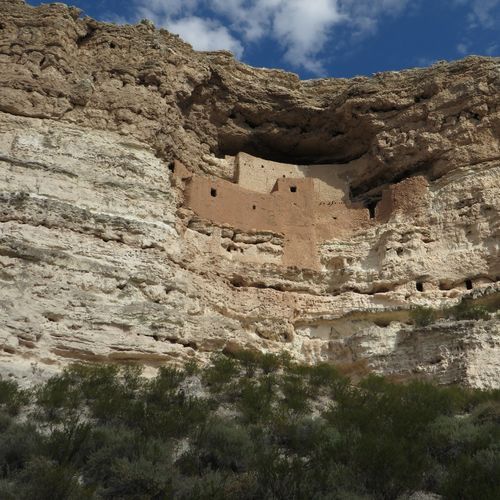
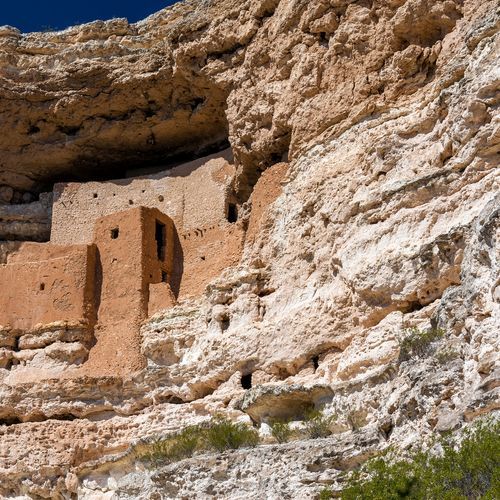
At the Castle, a one-third-mile loop passes the five-story cliff dwelling, winds through a sycamore grove and follows spring-fed Beaver Creek. Few streams in Arizona run all year, and this is one of them. At Montezuma Well, a second loop of the same length circles an oasis the Sinagua used more than 600 years ago. On either walk, compare the shade trees by the water with the juniper and mesquite on the slopes, and picture which plants ended up in a storage jar or on a grinding stone.