Mount Rainier National Park guide · 2 min read
Lenticular Clouds and Rainier's Changeable Weather
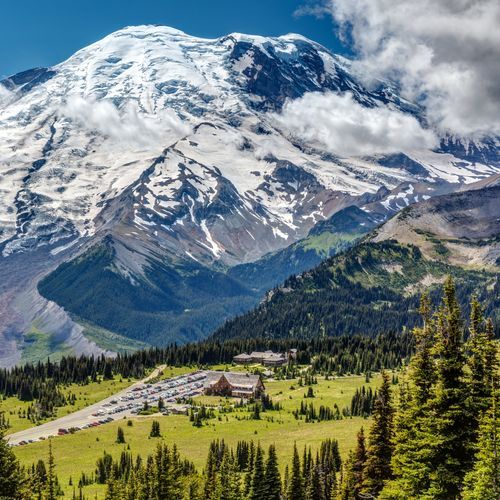
Disc-shaped lenticular clouds often cap the summit of Mount Rainier. They tend to form when damp air is pushed upward against the mountain's large bulk.
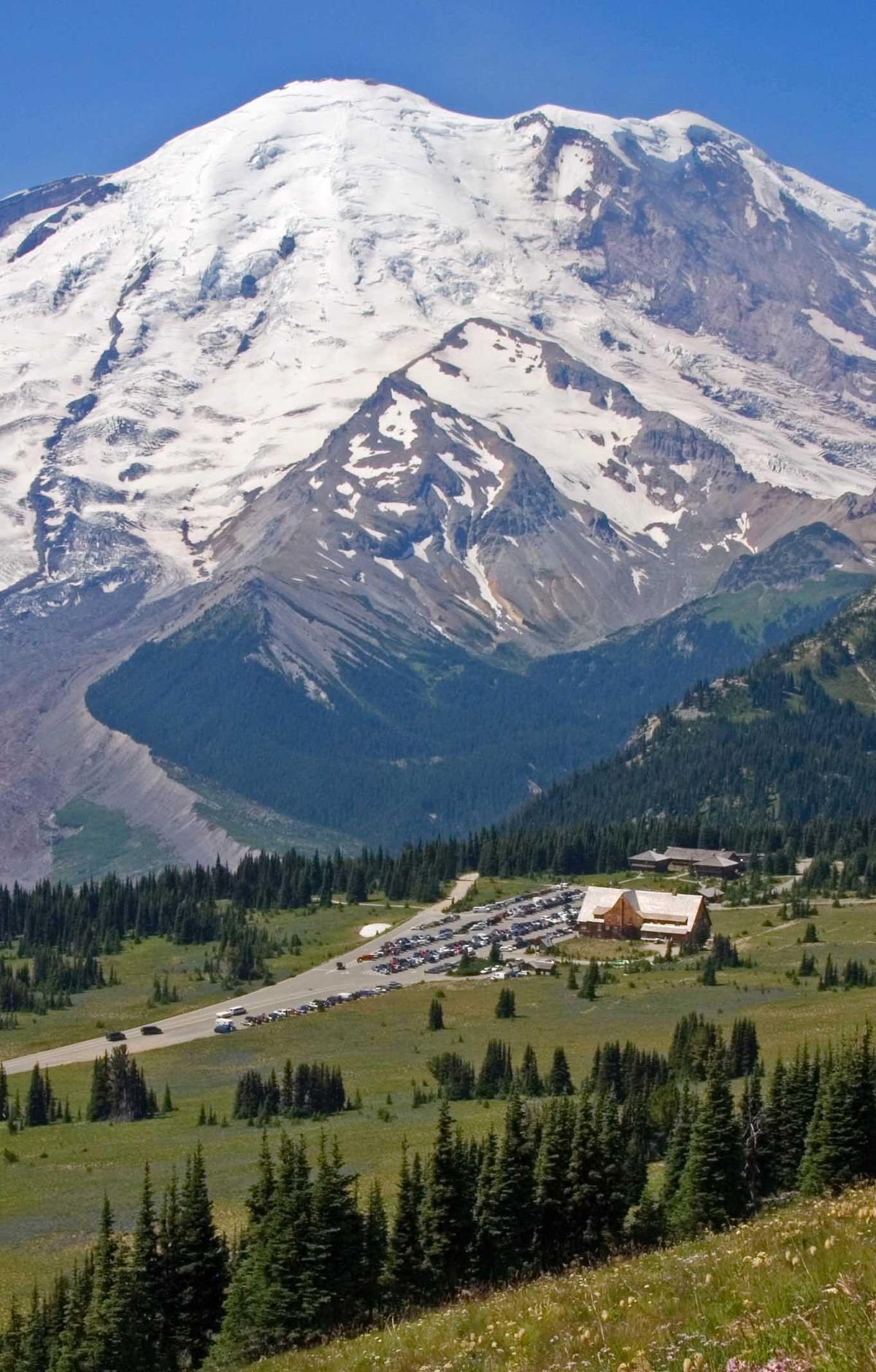
Because the peak is so massive, it often produces its own weather.
Three main forces shape the weather here: the Pacific Ocean, elevation, and latitude. Temperatures usually stay cool and rain is common, with summer afternoons typically topping out in the 60s and 70s. Conditions can turn quickly, and a cold, soggy spell is possible in any month.
Late July and August usually bring the driest, warmest weather of the year, along with the most sunshine. Even so, the season can bring damp, chilly spells, and a shower can arrive on any given day. Snow can linger between 5,000 and 8,000 feet into mid-July, so people on higher trails early in the season may still encounter it. Hikers and climbers should pack extra clothing, rain gear, and a tent, and should check daily and extended forecasts along with avalanche warnings.
At higher elevations such as Paradise, snow can blanket the ground from November through May, often many feet deep. Once the snow is deep enough, visitors can cross-country ski, snowshoe, snowboard, sled, or camp in the snow, and some of these adventures can begin right at the edge of the Paradise parking lot. The same snow brings slick roads and unpredictable weather, so it pays to plan with care.
When clouds hide the mountain, park rangers recommend relying on sound and other senses. Boulders tumbling in glacier-fed rivers and ice shifting within the glaciers can both be heard. Check the webcams on the park website for real-time views of conditions and visibility, and speak with a ranger at a visitor center about the latest forecast before setting out. Hikers should also carry the 10 Essentials.