
Mount Rainier National Park guides
12 in-depth guides to Mount Rainier National Park, in reading order: what to see, how to get around, and what to know before you go. Back to the Mount Rainier National Park overview.
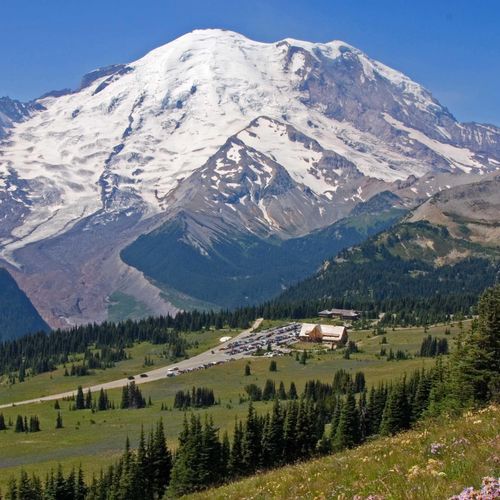
Lenticular Clouds and Rainier's Changeable Weather
Disc-shaped lenticular clouds often cap the summit of Mount Rainier. They tend to form when damp air is pushed upward against the mountain's large bulk.
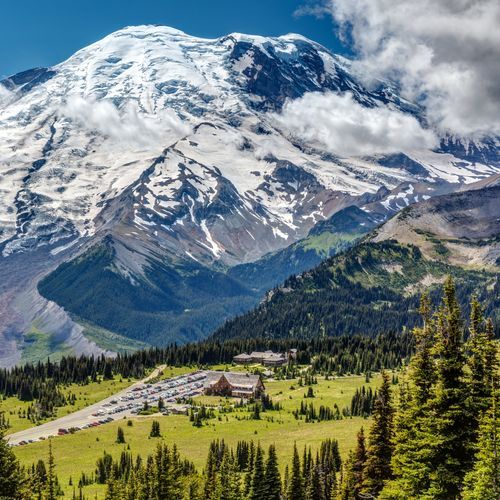
Beating Nisqually and White River Entrance Lines
Traffic backs up at the Nisqually Entrance and the White River Entrance on the park's busiest days, and on the very heaviest summer weekends and holidays the wait at either gate can run longer than an hour.
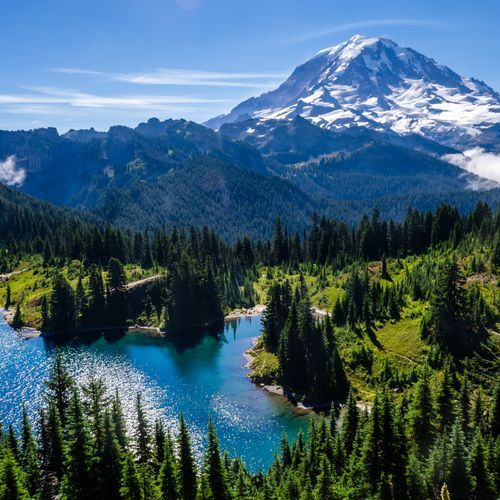
America's Most Glaciated Peak and Its Five Rivers
Rising to 14,410 feet, Mount Rainier is the tallest peak in Washington state and the most prominent mountain in the Cascade Range.
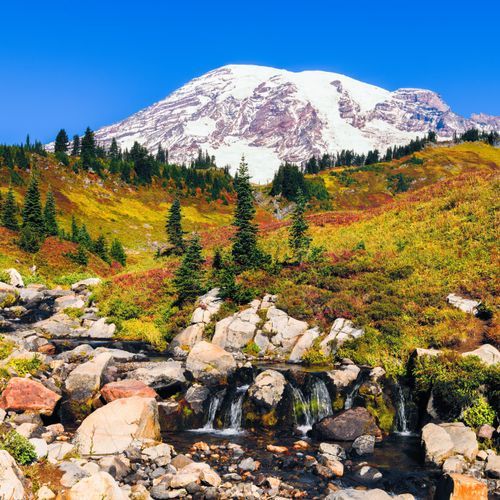
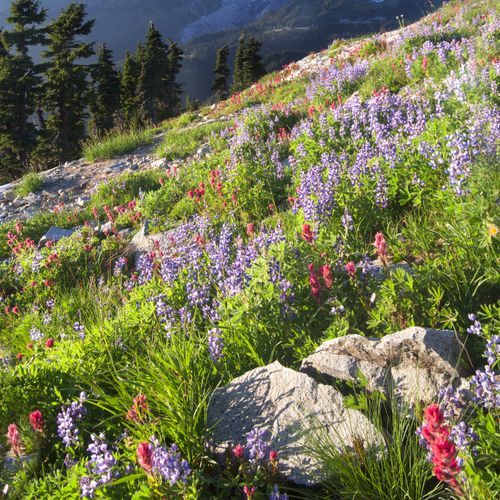
Paradise: Skyline Trail and Wildflower Meadows
Paradise sits at about 5,400 feet on the south slope of Mount Rainier, and it is the most popular destination in the park.
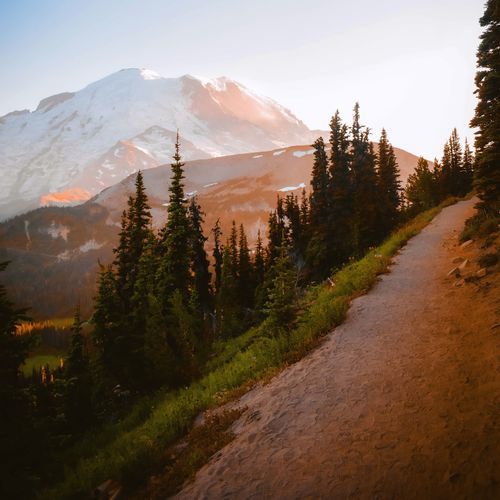
Hiking the Wonderland Trail
The Wonderland Trail is a loop of about 93 miles around Mount Rainier, and it is among the best-known backpacking routes in the country.
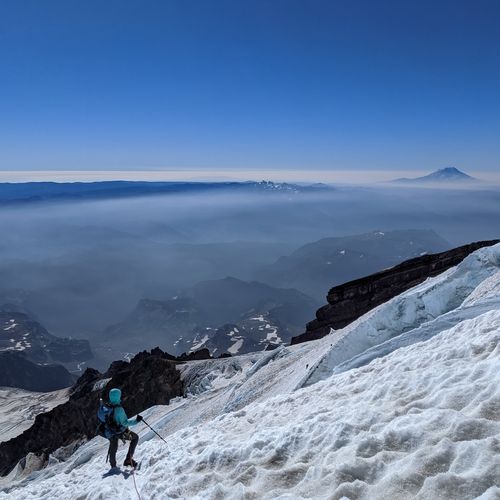
Climbing Mount Rainier
Mount Rainier is an active volcano that rises to 14,410 feet. Few peaks in the contiguous United States carry as much glacial ice.
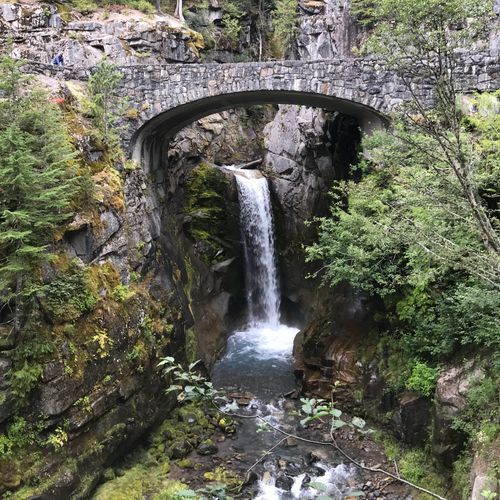
Driving the Rustic Roads Around the Mountain
The Road Trip Around the Mountain is a scenic drive that takes roughly four to eight hours.
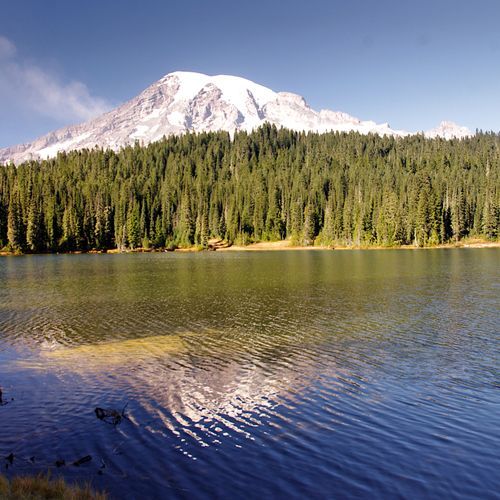
Tacoma: Native Peoples on the Mountain
Long before the park was founded, the people who lived around the mountain had their own names for it.
John Muir and the Fifth National Park
John Muir visited Mount Rainier in 1888, and the trip helped renew his commitment to preserving wild country.
Choosing Cougar Rock, Ohanapecosh, or White River
The three major drive-in campgrounds each sit in a different part of Mount Rainier National Park.
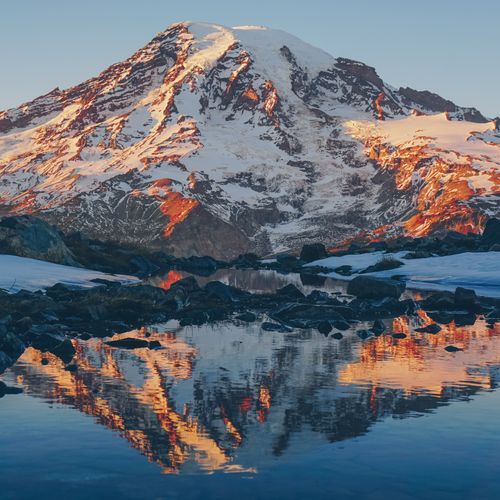
Sunrise and the Mount Fremont Fire Lookout
Sunrise sits at 6,400 feet, making it the highest spot in Mount Rainier National Park that cars can reach.
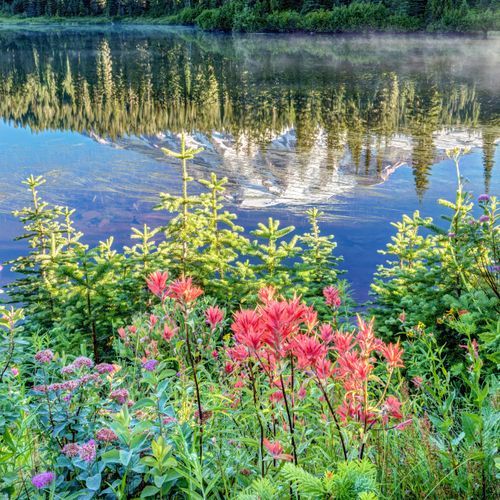
Carbon River and Mowich Lake: The Quiet Northwest
Old-growth forest and inland temperate rain forest fill the Carbon River area in the far northwest of the park.
