National Park of American Samoa guide · 2 min read
Flying Foxes and the Park's Founding
Flying foxes, also called fruit bats, are one of the park's most important animals. Two large fruit bats, the Samoa flying fox and the white-naped flying fox, are among the only native mammals on the islands, and they help pollinate the plants of the rainforest.
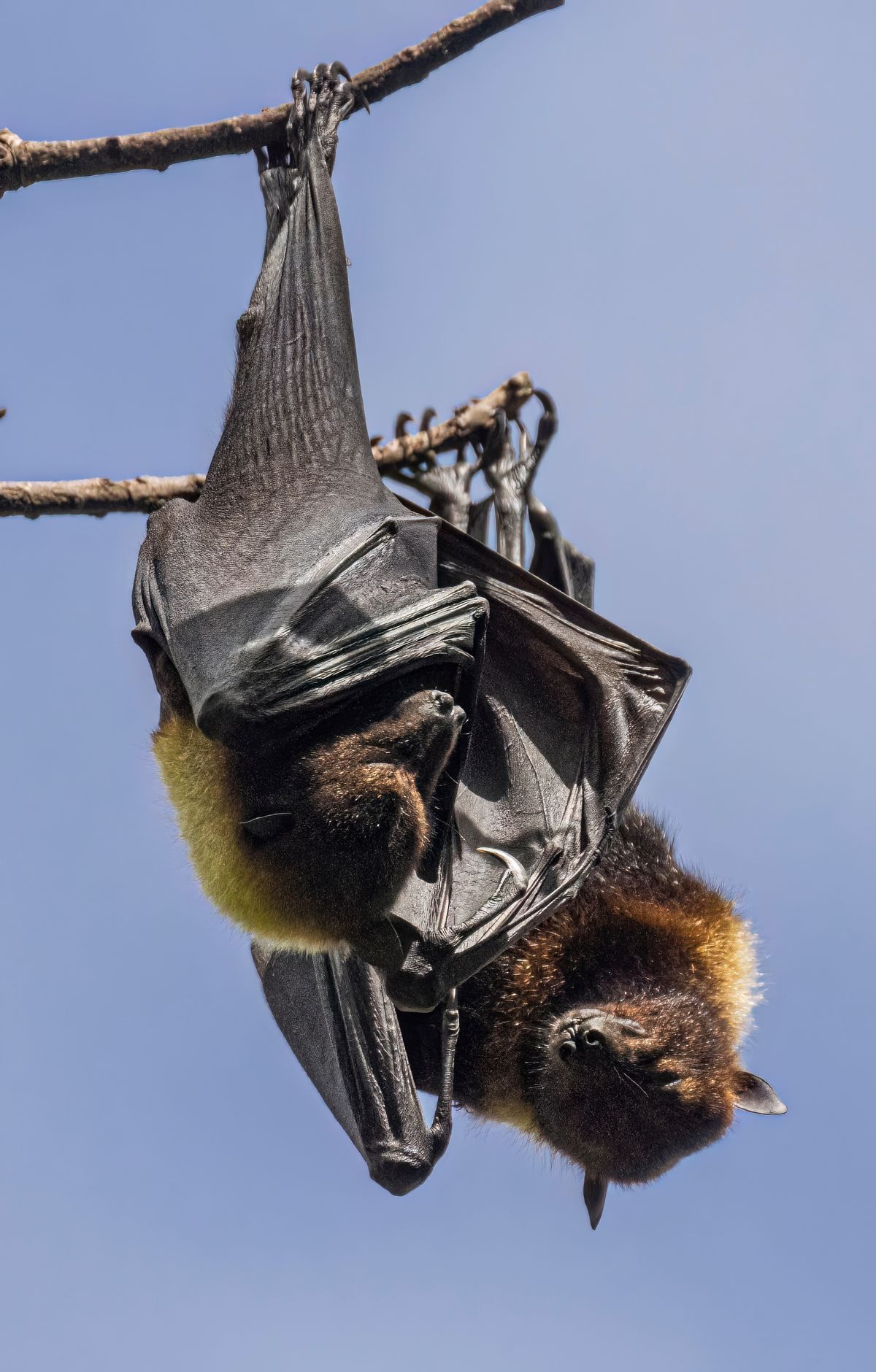
The forest is dominated by fruit-bearing species, a pattern tied to these pollinators.
The park's roots go back to 1984, when Delegate Fofō Sunia introduced a bill in Congress at the request of Dr. Paul Cox. The bill aimed to protect the flying fox habitat along with the old rainforest, and it opened the way for American Samoa to join the United States National Park System. The National Park Service began work on establishing the park in July 1987.
The park was established on October 31, 1988, under Public Law 100-571. Because of the traditional communal land system, the Park Service could not buy the land. The matter was settled in 1993 with a 50-year lease from the Samoan village councils. In 2002, Congress approved a thirty percent expansion on the islands of Olosega and Ofu.
Flying foxes can be hard to spot deep in the rainforest, but they nest in a tree that is easy to reach. It stands near the intersection of Route 001 and Route 006, on the north side of Pago Pago Harbor. Visitors can park in a wide, sandy lot on Route 001, and the tree is just across the street, a walk of less than a minute.
For wildlife watching, the trails on Mount Alava and the Fatifati Auala Trail are good places to look. Fruit bats glide through the treetops there, alongside Samoan starlings and Pacific pigeons, and birders may spot the White-rumped Swiftlet. Samoan culture is part of the park too, and exhibits in the Visitor Center show how it connects with the natural world.