National Park of American Samoa guide · 2 min read
Matai Chiefs and Samoa's Communal Land
Much of the land in National Park of American Samoa is held under the traditional communal land system.
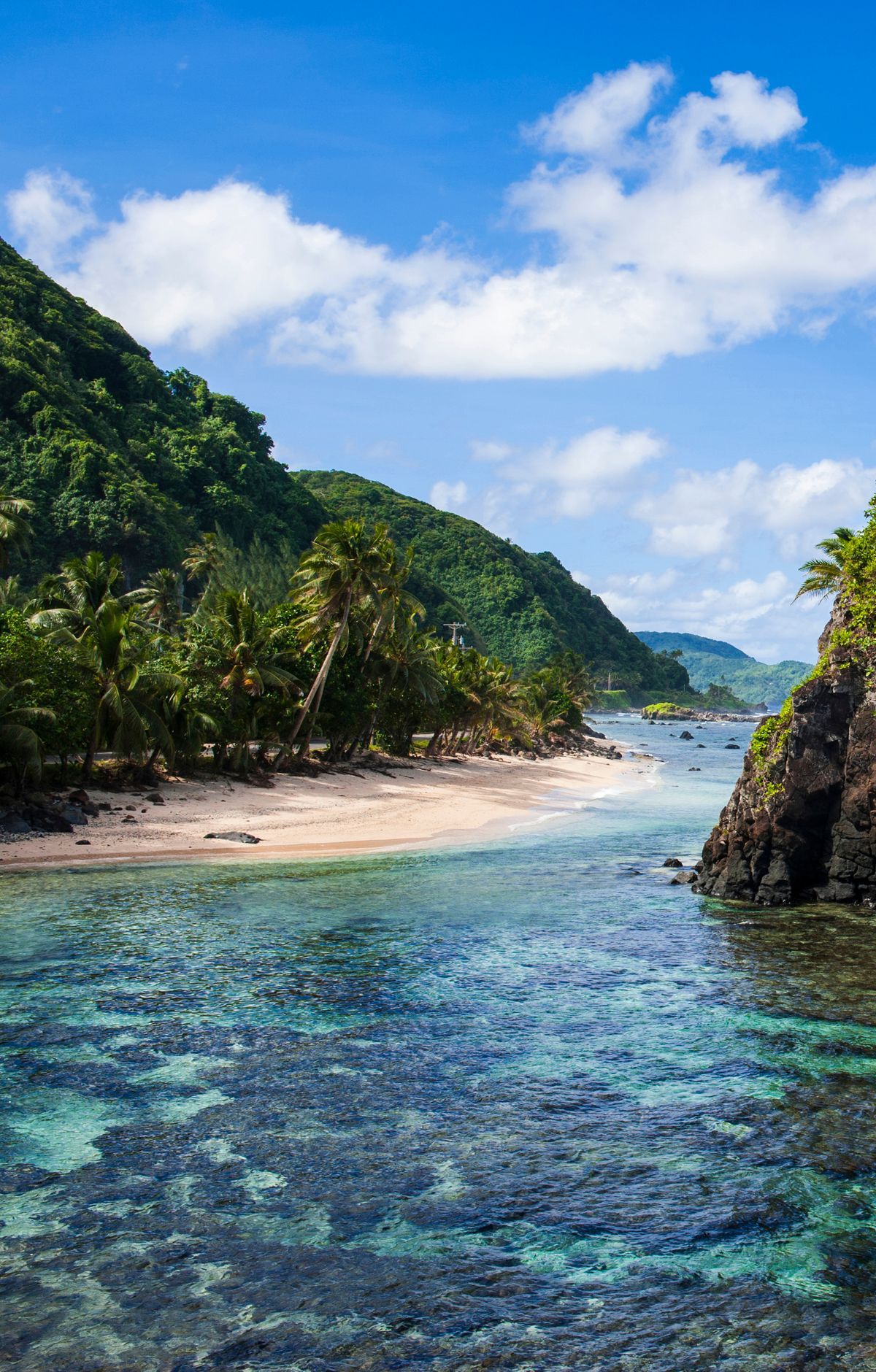
Extended families, guided by their matai, or chiefs, hold land together rather than as individuals. Because of this, the National Park Service could not simply buy the land when the park was set up. Instead, the park operates on a 50-year lease from the Samoan village councils, and it exists because village leaders worked with the United States Congress to protect some of the islands' best land and sea.
Fa'asamoa, the Samoan way, shapes the park's cultural guidance. In villages especially, check with people first before you photograph them, head to the beach or take part in an activity. The request itself shows respect. Inside a traditional fale, which is a Samoan home, sit on the floor before you speak, eat or drink. Sit cross-legged or lay a mat over your legs, since pointing them out straight is seen as rude.
Other courtesies apply too. Wait until you have left a village before eating or drinking. When the evening prayers called Sā begin around dusk, stop and wait quietly, and you may even be invited to join in. Sunday belongs to church and rest, so even swimming is often off limits that day. If you are offered 'ava, let a few drops fall to the ground as a gesture of respect, then lift your cup and say manuia.
Two trails show more of the park's landscape. The Mt. Alava Trail climbs through tropical rainforest with plenty of birds and plants, and park crews there work to clear invasive species while growing native ones. On clear days, the summit looks out toward Aoloau to the west and over Pago Pago.
The Fatifati Auala Trail suits anyone curious about the outdoors, local customs or simply a rewarding walk, since it ties those experiences to the island's surroundings and traditions. Rain can make parts of it slippery, so bring sturdy shoes.