Theodore Roosevelt National Park guide · 1 min read
Badlands Weather: Shoulder Seasons and Subzero Winters
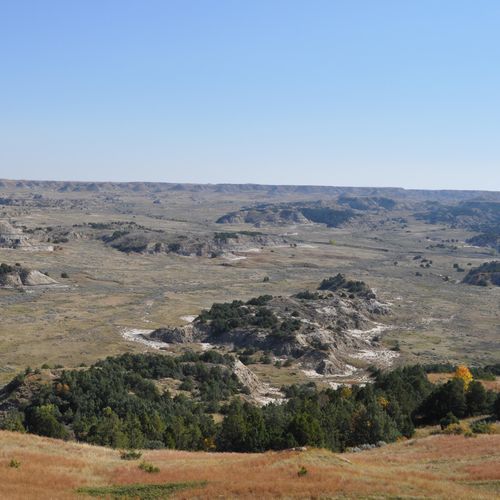
Late spring, from April through May, and early fall, from September through October, are the best times to visit Theodore Roosevelt National Park.
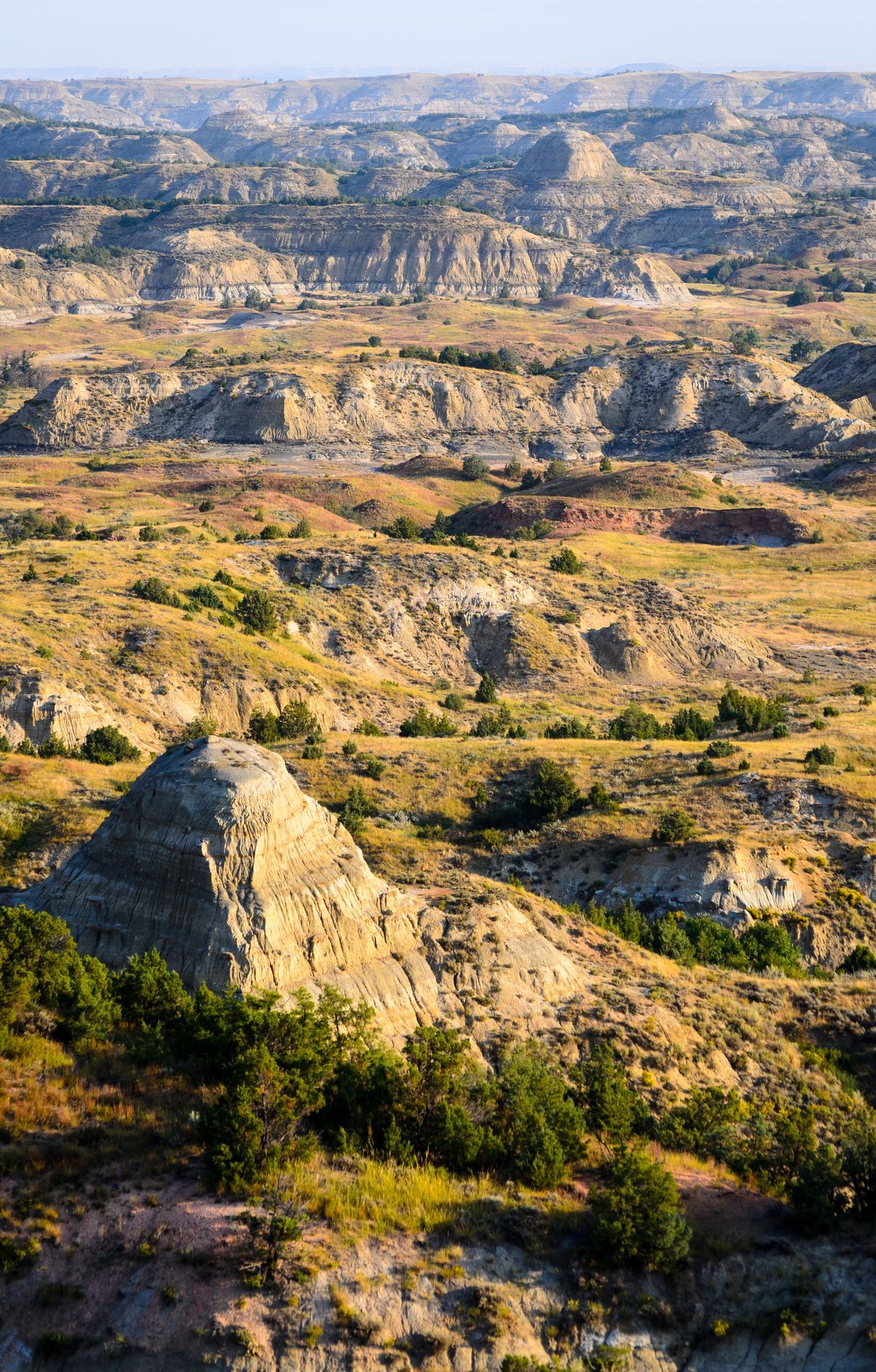
Daytime temperatures are moderate in both seasons, and crowds thin out compared with summer. Summer afternoons are sunny and warm, with highs in the mid 70s and 80s, but nights can cool to the mid 50s. Summer is also the busiest season, so expect more people on the trails and at the overlooks.
The park has a cold semi-arid climate, and winter is the coldest stretch of the year. From December through February, highs hover around 30 degrees. At the North Unit Visitor Center, the average yearly extreme low sits close to minus 30 degrees, so cold-weather gear is essential. Winter is dry here, and snow is more of a possibility than a certainty, usually just a light dusting.
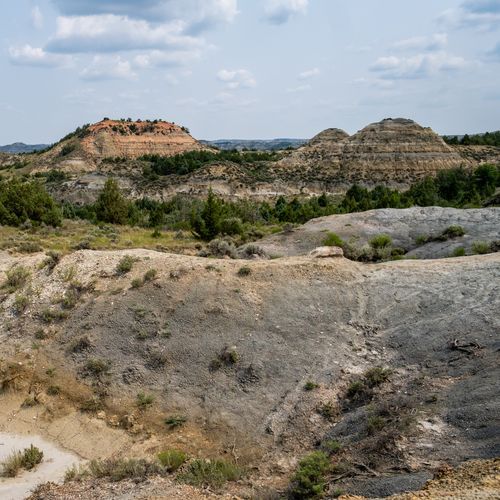
The weather in the badlands can be harsh, with sharp temperature swings and storms that build quickly and hit hard. Be ready for conditions to shift during any visit. Ice and snow can shut sections of road in winter, so look up current conditions before you drive.
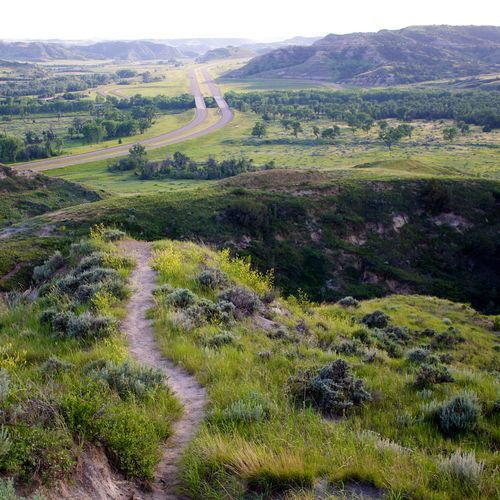
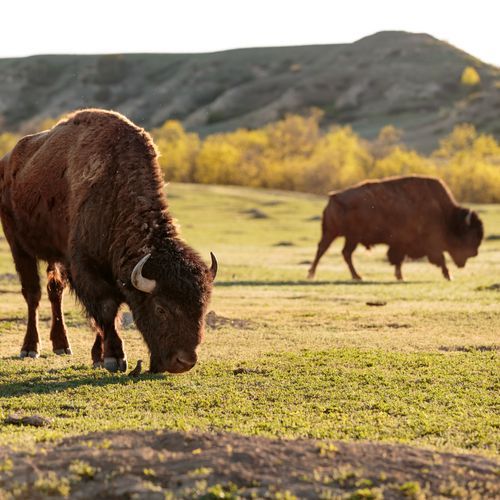
Visits are possible in winter too, though the weather can limit what is reachable on a given day. The North Unit and South Unit each have paved routes, and pullouts, lookouts and parking spots line the way, making it easy to stop often. The North Unit drive runs as two lanes of pavement, with accessible spaces at most pullouts. Wildlife sightings are common from the car, and bison, prairie dogs and deer are often visible.