Voyageurs National Park guide · 2 min read
French-Canadian Voyageurs and the Park's 50 Years
Starting in the mid-1600s, French-Canadian voyageurs moved through the region's waterways, mostly by canoe, hauling furs and trade goods.
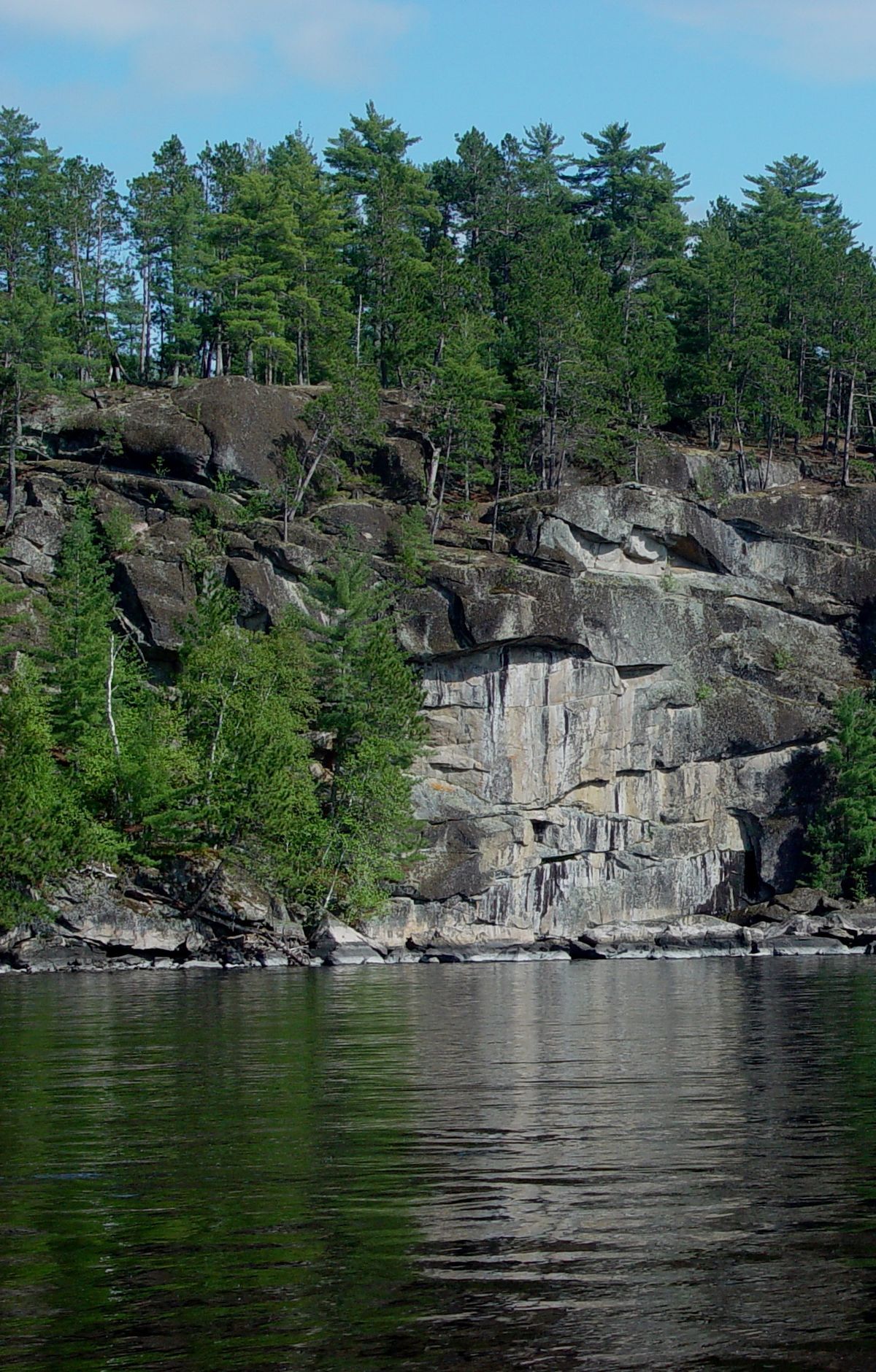
Canoes were how they moved the goods that kept the fur trade running. Coureurs des bois traded with Indigenous people for furs, while merchants in Montreal handled sales, mainly to Europe. Indigenous traders had used these same routes for about a thousand years before the French arrived. The park takes its name from the voyageurs.
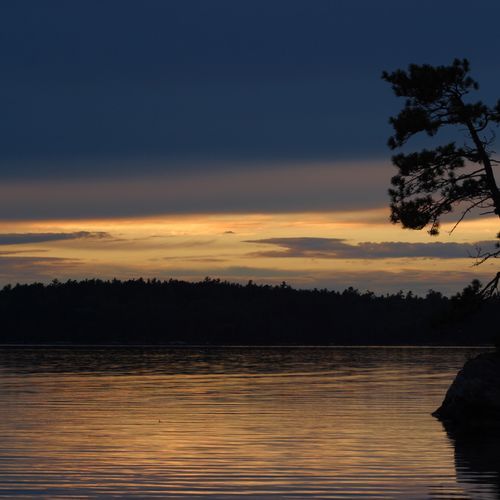
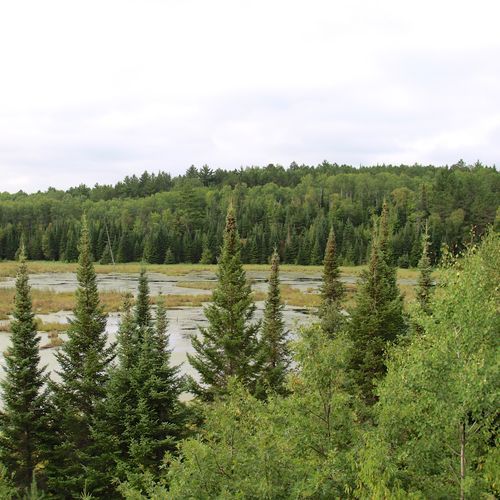
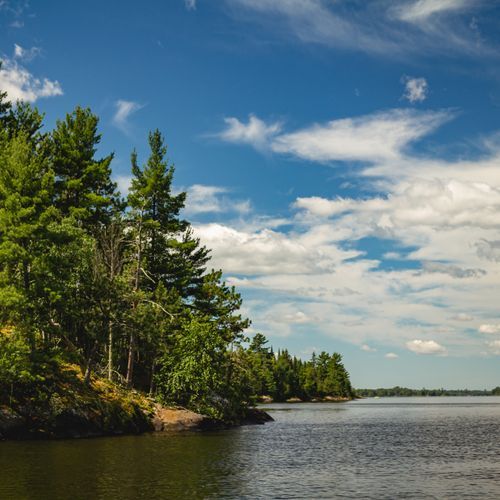
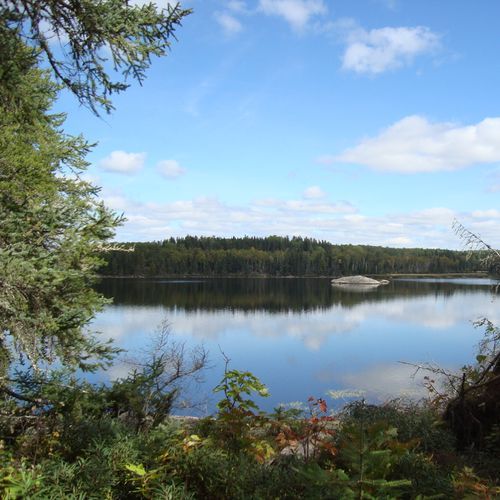
Voyageurs National Park, established in 1975, sits in northern Minnesota close to the Canadian border. Roughly 218,000 acres of water and woodland make up the park, and much of it is best seen from the water. Campsites other than primitive ones are reachable only by water. Some people explore in kayaks or canoes, while others choose a houseboat or a tour boat with a guide.
The park marks 50 years in 2025 with events spread across the whole year. Planned activities include guided paddling outings, education programs, and community get-togethers. One highlight is an inside look at the archives, which hold logging equipment and books more than a century old. Visitors can share their own memories and photos under the hashtag Voyageurs50. The 50 Years, 50 Legacies project gathers accounts from people who pushed for the park's protection and from those who return again and again.
Kettle Falls and Ellsworth Rock Gardens rank among the park's main draws, pulling in thousands of people each season who want to understand its nature and culture. The Kettle Falls Hotel, on the far eastern edge of the Kabetogama Peninsula, is the one place inside the park where you can buy a meal. Getting there takes a boat, since the closest road is roughly 15 miles away. The Crane Lake Visitor Center, the park's newest outpost, held its grand opening during the anniversary year, with a chance to paddle in a North Canoe.