Voyageurs National Park guide · 1 min read
Some of Earth's Oldest Rocks: 2.7 Billion Years
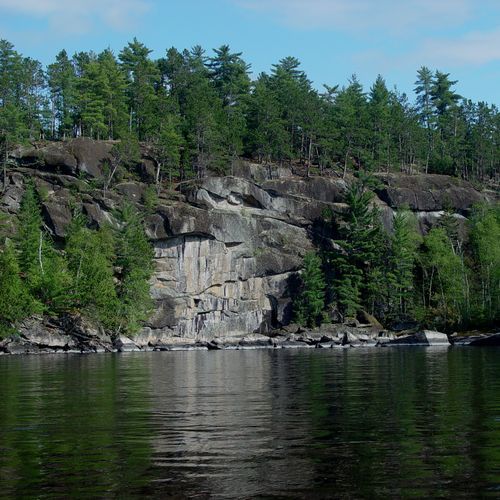
The bedrock across this area is part of the Canadian Shield, and most of it is between one and three billion years old, placing it among the most ancient rock found on the North American continent.
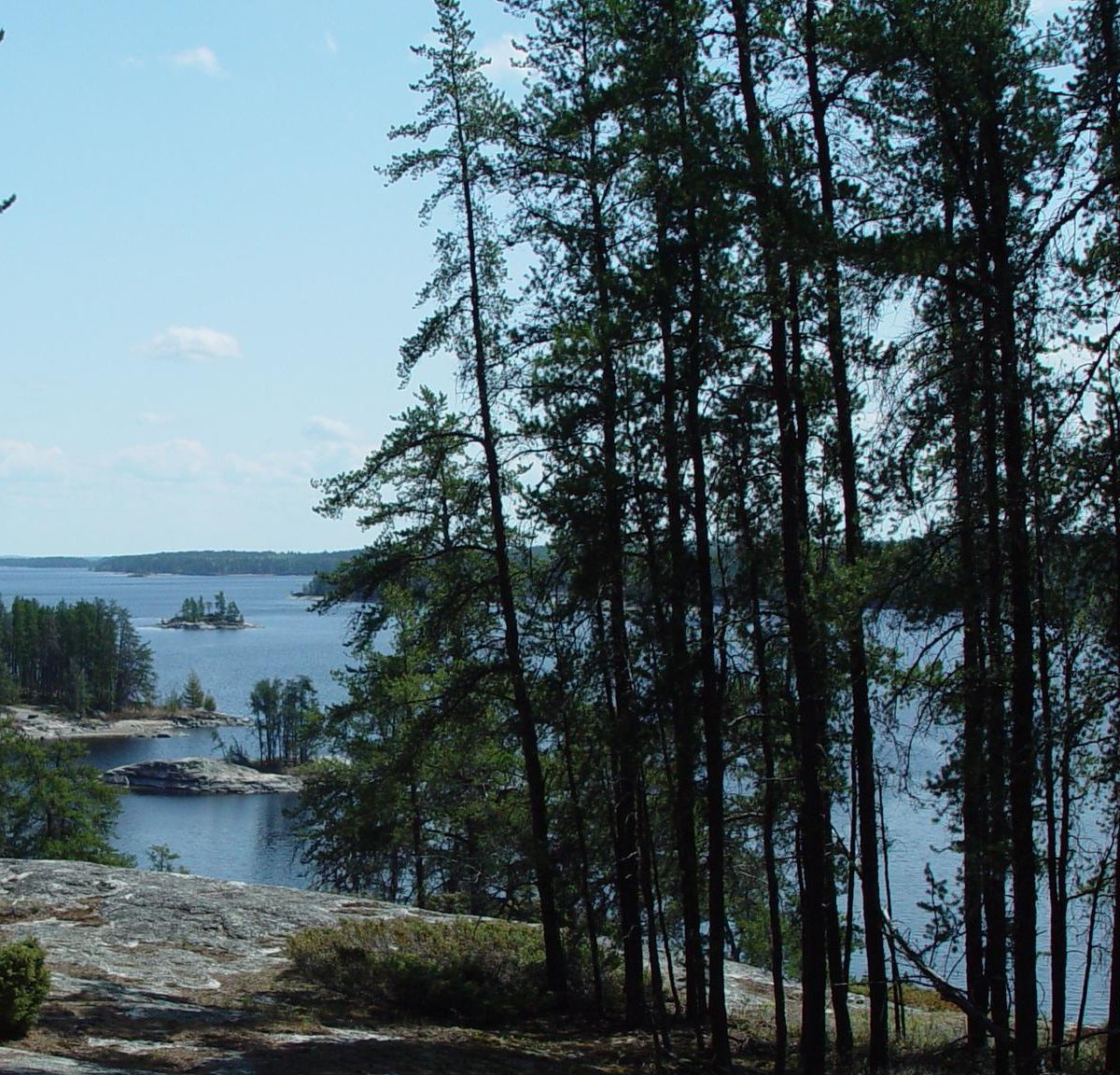
Sedimentary layers once formed on top of them, but most of that cover was later scraped off, leaving the ancient rock exposed.
The rock was first squeezed and buckled under immense pressure. Afterward, hot molten material pushed upward through the existing layers, forming a patchwork of gneiss and granite. Continental glaciers, including those of the Wisconsin glacial epoch and earlier ice ages, later stripped away most of the sedimentary cover.
Most of the park's rock belongs to the Archean Quetico Subprovince, which is part of the larger Superior physiographic province. Schists and gneisses fill the western and central sections, while granitic rock covers the east and southeast. That granite formed between 2.69 and 2.64 billion years ago. In the northwest corner lies the Rainy Lake greenstone belt.
Thirteen abandoned mines, with twenty-two openings among them, sit in the northwest corner of the park. Each one follows a geological structure within the Rainy Lake greenstone belt. Some old test pits, shafts and open cuts have become hidden under plant growth. Trained park staff have looked over these sites and concluded that they pose no major hazards.
The park lies in northern Minnesota near International Falls, spanning Saint Louis and Koochiching counties. Its ancient rock forms part of Minnesota's Northwoods landscape, the region the park has connected visitors with for five decades.