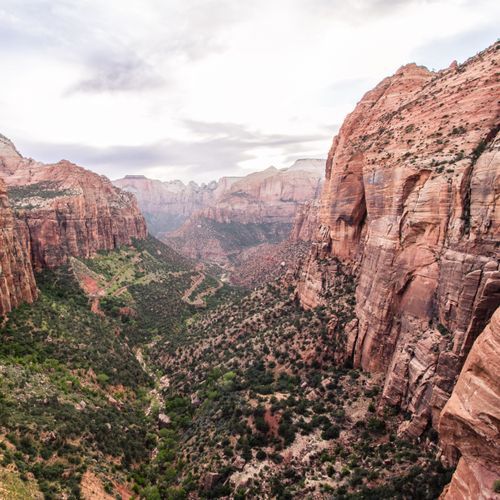
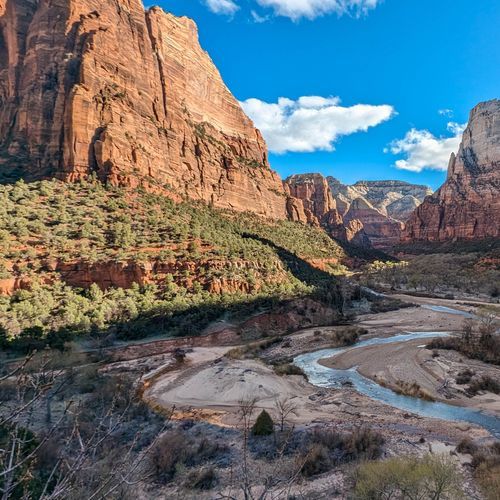
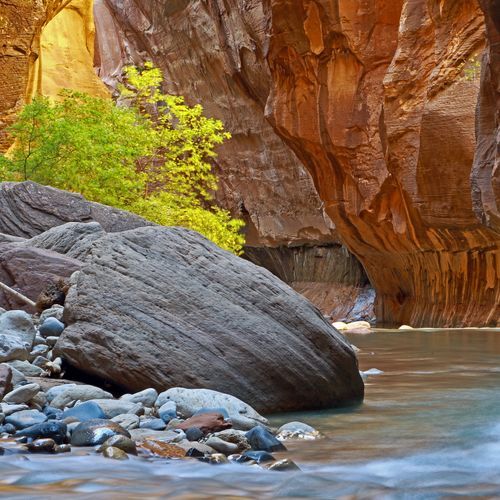
Zion is best understood as four distinct park experiences rather than one single landscape. Zion Canyon is the iconic core: a lush, cliff-walled corridor where most first-time visitors spend their time, and where the park’s biggest-name hikes, shuttle system, and highest concentration of services come together. This is the place for the classic Zion experience—towering sandstone walls, riverside walking, famous trailheads, and the sense of moving through a canyon from the bottom up rather than admiring it from a distant rim. It is also the busiest part of the park, so visitors should approach it with a plan: use the shuttle, start early, and expect to share the marquee trails with plenty of company.
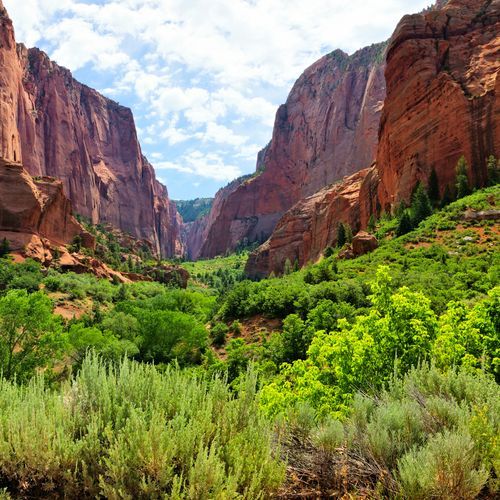
Beyond the main canyon, Zion opens into three very different regions. The east side, along the Mount Carmel Highway, is a world of slickrock, domes, hidden pockets, and big views, with a wilder, more exploratory feel than Zion Canyon. It rewards visitors who want scenic driving, shorter wanderings, and a less crowded introduction to the park’s sandstone backcountry. Kolob Canyons, reached separately in the northwest, feels more remote and more local, with crimson finger canyons, quieter trails, and a calmer pace that suits repeat visitors, hikers, and anyone looking to escape the congestion of the main entrance. The Kolob Terrace area, set on higher ground, is Zion’s transition into forested plateau country—cooler, more spacious, and ideal for those interested in backcountry trailheads, lava-point views, and a broader sense of the park’s elevation range.
The smartest way to explore Zion is to think in layers. Give Zion Canyon its due, because it delivers the park’s most dramatic and recognizable scenery, but do not mistake it for the whole story. The east side adds texture and geologic variety, Kolob Canyons offers solitude and strong hiking, and Kolob Terrace reveals Zion’s high-country side. Visitors with a single day should focus tightly on Zion Canyon with perhaps a taste of the east side. With two or three days, it becomes possible to combine the headliners with one of the quieter outlying regions—and that is when Zion begins to feel less like a crowded checklist stop and more like the richly varied desert mountain park it truly is.