Wildlife · Bird · Zion National Park
Anna's Hummingbird in Zion National Park
Anna's Hummingbird has one mapped viewing spot in Zion National Park. Most sightings are recorded in October.
Where can you see Anna's Hummingbird in Zion National Park?
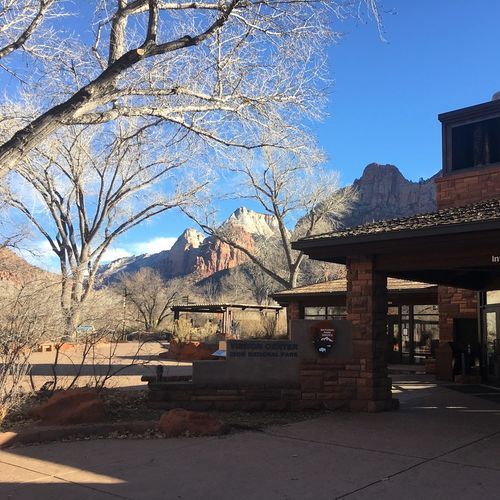
Near Zion Canyon Visitor Center
about 0.3 mi away · 95 recorded sightings · Open in Maps
A viewing spot is a place where visitors have photographed and reported the animal many times. Wild animals move: a spot raises your chances, it doesn't promise a sighting. Keep the distance the park asks for.
When is the best time to see Anna's Hummingbird in Zion National Park?
Most sightings are recorded in October.
- January: 1 sighting
- February: 1 sighting
- March: 2 sightings
- April: 0 sightings
- May: 6 sightings
- June: 5 sightings
- July: 0 sightings
- August: 0 sightings
- September: 0 sightings
- October: 10 sightings
- November: 0 sightings
- December: 0 sightings
Recorded sightings in Zion National Park by month, 25 in all. The count follows visitors as well as animals: a quiet month can mean few people were there to report.
Key facts
- Type
- Bird
- Scientific name
- Calypte anna
- Mapped viewing spots
- 1
- Most sightings
- October
- Recorded sightings
- 25
About the Anna's Hummingbird
About the size of a large bumblebee (roughly 4 inches long), Anna’s hummingbird is a compact, fast-moving bird with a slender, slightly curved bill and iridescent plumage that catches the light. Adult males flash a rose-pink to ruby gorget and crown that can glow intensely in sunlight, set off by a metallic green back and grayish underparts. Females and juveniles appear more muted — green-backed with white throats often speckled with pink flecks and distinctive white-tipped tail feathers — but they share the same rapid wingbeat that makes them appear to hover like living jewels.
You’ll find Anna’s hummingbirds in parks, gardens, coastal scrub, chaparral and even inland desert oases across the western coast. They feed primarily on flower nectar, using a long, extendable tongue while hovering, and supplement their diet with small insects and spiders caught in flight or gleaned from foliage. Males are bold and territorial around rich nectar sources and feeders; they also stage spectacular aerial displays during courtship, flashing their gorgets and diving with rapid wingbeats. Their willingness to use ornamental plants and backyard feeders has allowed them to remain in many areas year-round, even where winters are cooler than their historic range.
These hummingbirds are common and adaptable, a welcome sign of vibrant habitats in parks. Visitors can enjoy close views but should avoid disturbing nests or handling birds. If you choose to offer a feeder, keep it clean and empty during cold snaps to help prevent disease and dependence.