Wildlife · Mammal · Zion National Park
Pronghorn in Zion National Park
In Zion National Park, the Pronghorn is recorded most often in Zion Canyon. Most sightings are recorded from May through December, with the most in August.
Where can you see Pronghorn in Zion National Park?
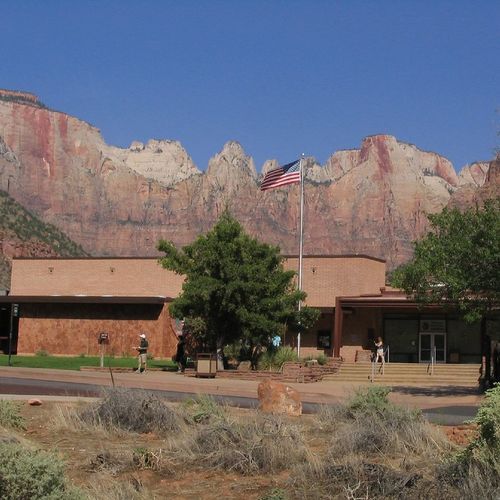
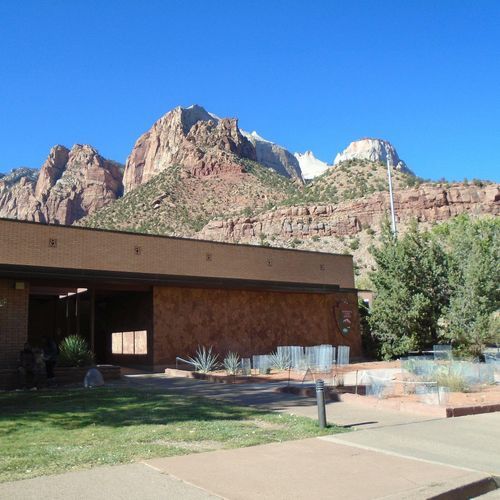
Near Zion Human History Museum
Zion Canyon · about 0.1 mi away · 155 recorded sightings · Open in Maps
A viewing spot is a place where visitors have photographed and reported the animal many times. Wild animals move: a spot raises your chances, it doesn't promise a sighting. Keep the distance the park asks for.
When is the best time to see Pronghorn in Zion National Park?
Most sightings are recorded from May through December, with the most in August.
- January: 0 sightings
- February: 0 sightings
- March: 0 sightings
- April: 0 sightings
- May: 5 sightings
- June: 11 sightings
- July: 5 sightings
- August: 12 sightings
- September: 12 sightings
- October: 6 sightings
- November: 8 sightings
- December: 6 sightings
Recorded sightings in Zion National Park by month, 65 in all. The count follows visitors as well as animals: a quiet month can mean few people were there to report.
Key facts
- Type
- Mammal
- Scientific name
- Antilocapra americana
- Mapped viewing spots
- 1
- Most sightings
- May through December
- Recorded sightings
- 65
About the Pronghorn
Pronghorns catch the eye with a sleek, tan body contrasted by bright white patches on the belly, throat and rump, and bold dark markings on the face. They stand roughly three feet at the shoulder and move with a long-legged, graceful stride. Males sport distinctive forked horns that curve back with a single forward-facing prong; some females carry smaller horns. Their lean build and large eyes give them a wary, alert appearance that visitors often notice from a distance.
You’ll find pronghorns on open grasslands, sagebrush flats and rolling plains across the interior western and central U.S. and Canada. They browse and graze on a mix of grasses, forbs and shrubs, switching diet by season. Pronghorns form loose herds, remain active during the day, and rely on eyesight and extraordinary speed—up to about 55 mph—to escape predators. Watch for the sudden white rump flash and swift, effortless bursts of running; during rut season males may stand guard on small mounds, displaying and calling to attract mates.
Many park populations benefit from conservation and the protections parks provide, but habitat fragmentation and fences still challenge them. For a good view, stay on trails or pullouts, keep pets leashed, and never feed wildlife. Seeing a pronghorn sprint across the plains offers one of the most striking demonstrations of wild speed and open-country adaptation visitors can witness.