Wildlife · Mammal · Zion National Park
Ringtail in Zion National Park
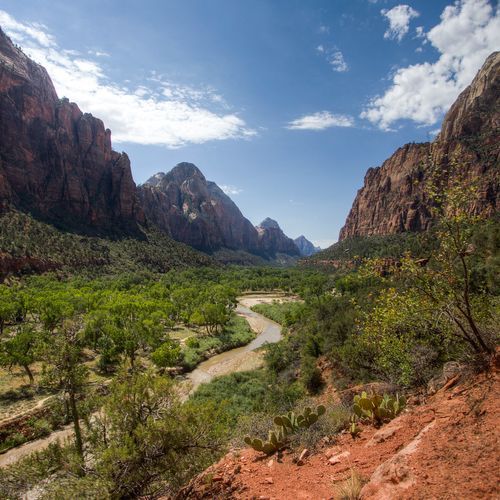
In Zion National Park, the Ringtail is recorded most often in Zion Canyon. Most sightings are recorded from July through August, with the most in August.
Where can you see Ringtail in Zion National Park?
Zion Canyon · 117 recorded sightings · Open in Maps
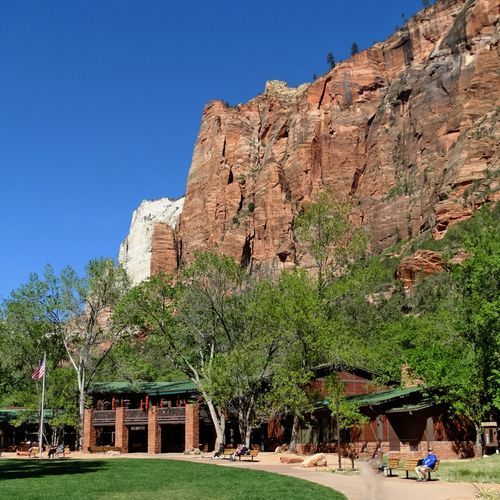
At Zion Lodge
Zion Canyon · 107 recorded sightings · Open in Maps
A viewing spot is a place where visitors have photographed and reported the animal many times. Wild animals move: a spot raises your chances, it doesn't promise a sighting. Keep the distance the park asks for.
When is the best time to see Ringtail in Zion National Park?
Most sightings are recorded from July through August, with the most in August.
- January: 0 sightings
- February: 0 sightings
- March: 6 sightings
- April: 0 sightings
- May: 0 sightings
- June: 0 sightings
- July: 19 sightings
- August: 29 sightings
- September: 3 sightings
- October: 10 sightings
- November: 14 sightings
- December: 0 sightings
Recorded sightings in Zion National Park by month, 81 in all. The count follows visitors as well as animals: a quiet month can mean few people were there to report.
Key facts
- Type
- Mammal
- Scientific name
- Bassariscus astutus
- Mapped viewing spots
- 2
- Most sightings
- July through August
- Recorded sightings
- 81
About the Ringtail
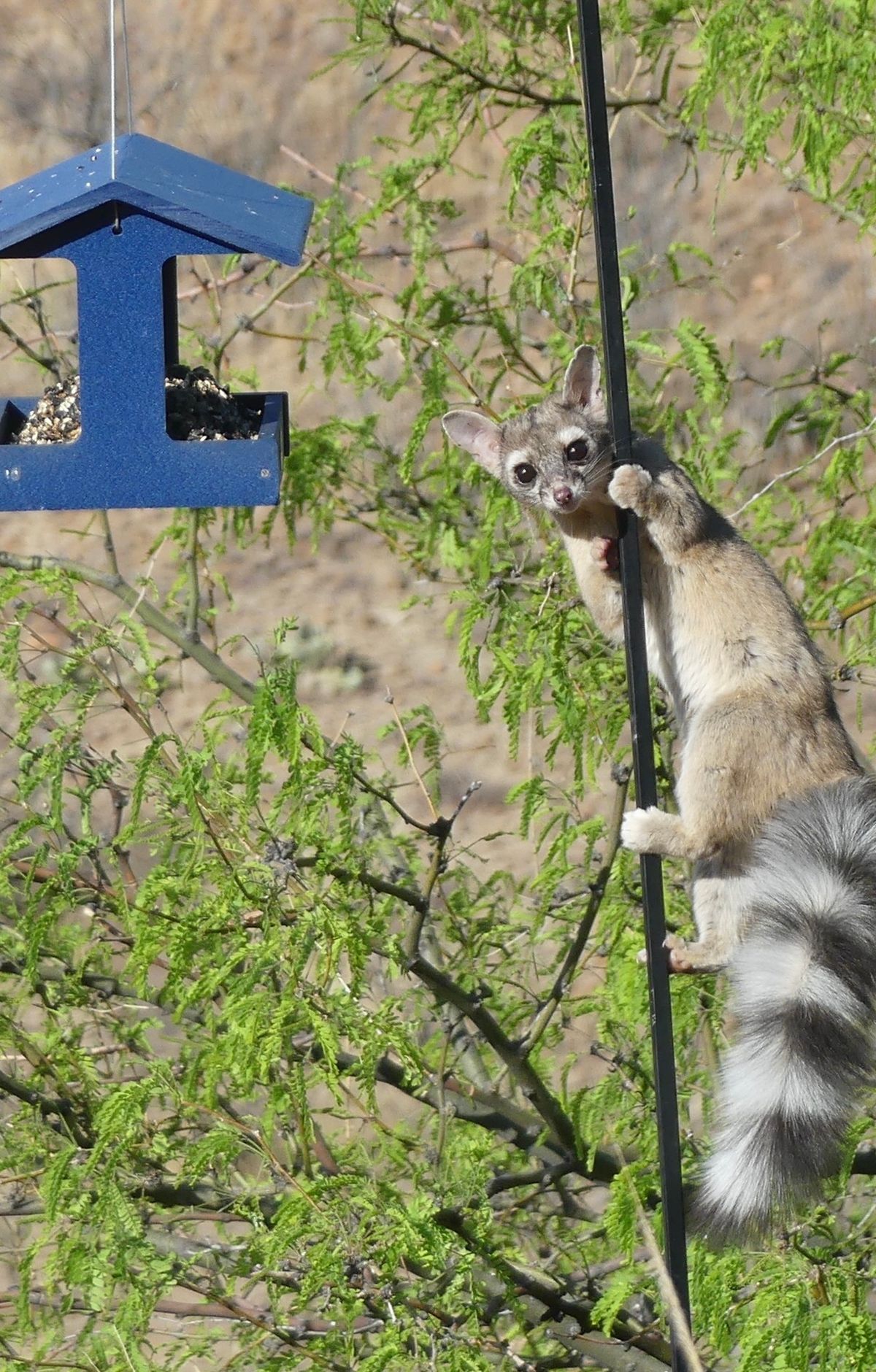
About the size of a small house cat, the ringtail has a long, slender body, large ears and a pointed muzzle that give it a foxlike look. Its fur ranges from tawny to reddish-brown with pale underparts, and its most striking feature is a bushy tail patterned with bold black and white rings nearly as long as the body. Big, dark eyes and nimble, semi-retractable claws help the ringtail move with cat-like grace across rocky ledges and through tree branches.
Ringtails live in dry, brushy country, rocky canyons, and wooded riparian corridors across the southwestern United States and into Mexico. They are mainly nocturnal and solitary, emerging at dusk to hunt and forage. Omnivorous and opportunistic, they eat small mammals, birds, insects, eggs and fruit. Visitors might spot one slipping along cliff faces, slipping headfirst down trees, or pausing on a high perch to scan for food — their long tail acts like a balancing pole and helps them make sudden, precise moves.
The species remains widespread and adaptable, though regional protections and management recognize its value in local ecosystems — it’s even the state mammal of Arizona. Ringtails are naturally wary of people, so park visitors have the best chance of seeing one at dusk from a respectful distance with binoculars. Do not feed or try to handle them; secure pets and food to avoid attracting wildlife and help keep these agile nighttime hunters wild.