Wildlife · Bird · Zion National Park
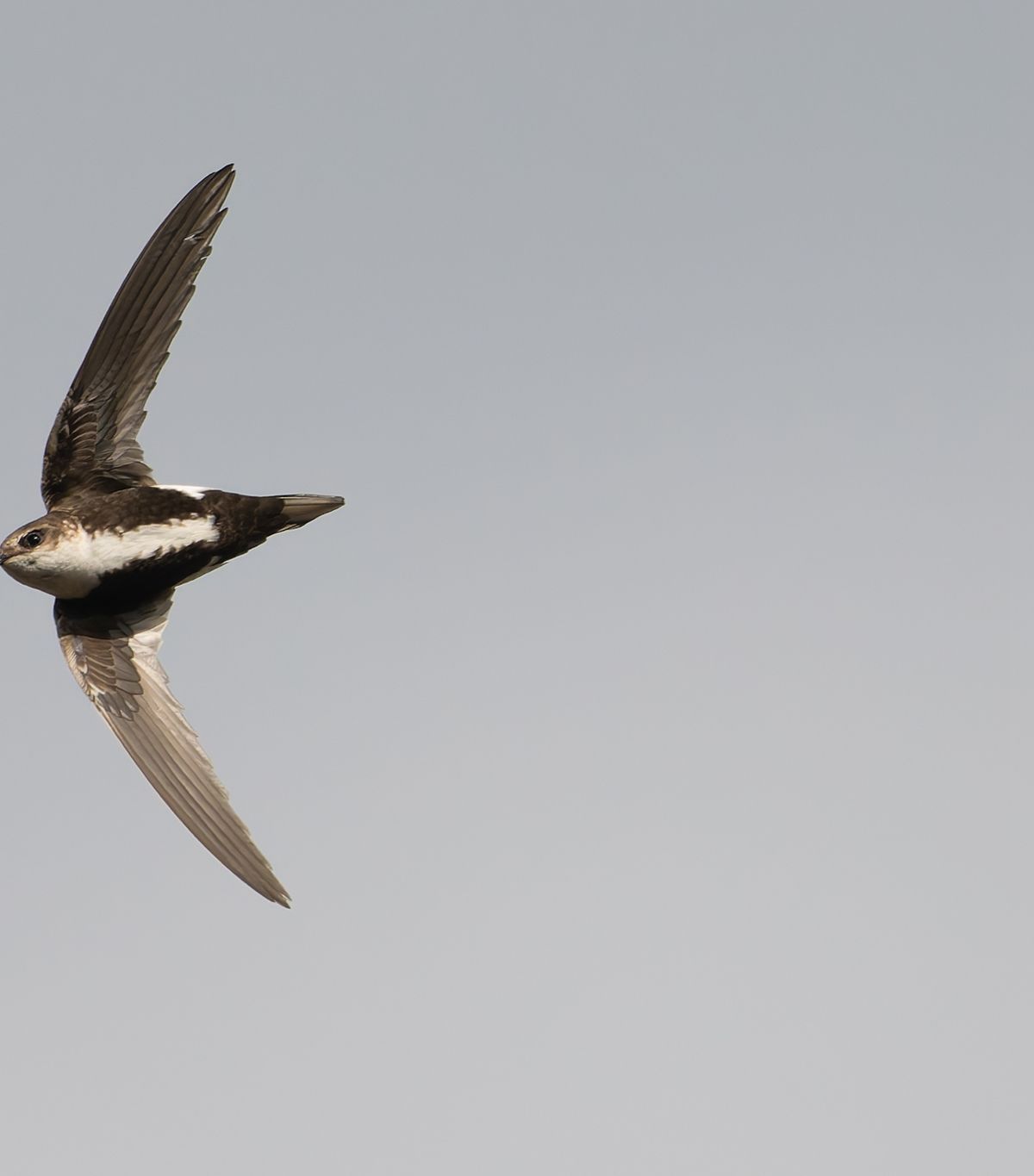
White-throated Swift in Zion National Park
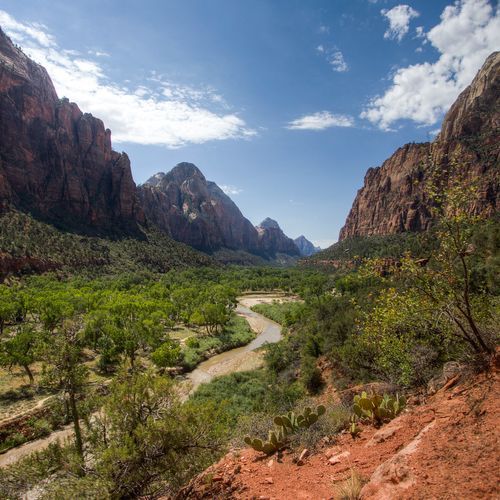
In Zion National Park, the White-throated Swift is recorded most often in Zion Canyon. Most sightings are recorded in May.
Where can you see White-throated Swift in Zion National Park?
Near Lower Emerald Pool
Zion Canyon · about 0.2 mi away · 68 recorded sightings · Open in Maps
Zion Canyon · about 0.2 mi away · 55 recorded sightings · Open in Maps
A viewing spot is a place where visitors have photographed and reported the animal many times. Wild animals move: a spot raises your chances, it doesn't promise a sighting. Keep the distance the park asks for.
When is the best time to see White-throated Swift in Zion National Park?
Most sightings are recorded in May.
- January: 0 sightings
- February: 0 sightings
- March: 0 sightings
- April: 6 sightings
- May: 34 sightings
- June: 8 sightings
- July: 6 sightings
- August: 4 sightings
- September: 5 sightings
- October: 2 sightings
- November: 0 sightings
- December: 0 sightings
Recorded sightings in Zion National Park by month, 65 in all. The count follows visitors as well as animals: a quiet month can mean few people were there to report.
Key facts
- Type
- Bird
- Scientific name
- Aeronautes saxatalis
- Mapped viewing spots
- 2
- Most sightings
- May
- Recorded sightings
- 65
About the White-throated Swift
A compact, cigar-shaped bird, the white-throated swift measures roughly 5–6 inches from head to tail and stands out in flight. Its body looks sooty brown to black, contrasted by a bright white throat and a pale patch along the belly that flashes as it turns. Long, scythe-shaped wings and a slightly forked tail give it a fast, gliding silhouette; at rest it rarely perches on branches, instead clinging to vertical rock faces or ledges.
You can spot white-throated swifts in open areas near cliffs, canyon walls, quarries and even under bridges, where they roost and nest. They forage on the wing, catching flying insects with quick, agile maneuvers—watch for tight, whirling groups or high, direct chases as they quarter the air. Swifts are social and often travel and roost in flocks; during migration and at evening roosts dozens may gather on a single cliff face. Because they live almost entirely in the air, you’re more likely to see them streaking past than sitting still.
These swifts are generally common in suitable habitat but respond quickly to changes in insect abundance and loss of nesting sites, so healthy populations indicate a thriving insect community. For park visitors, the best opportunity to observe them is along canyon rims, bridges, and open meadows at dawn or dusk, when flocks become most active and the white throat flashes with every twist and turn.