Badlands National Park guide · 2 min read
Mako Sica: Lakota Land and Its History
The Lakota people call this land Mako Sica, written Makȟóšiča, a name that translates to bad lands.
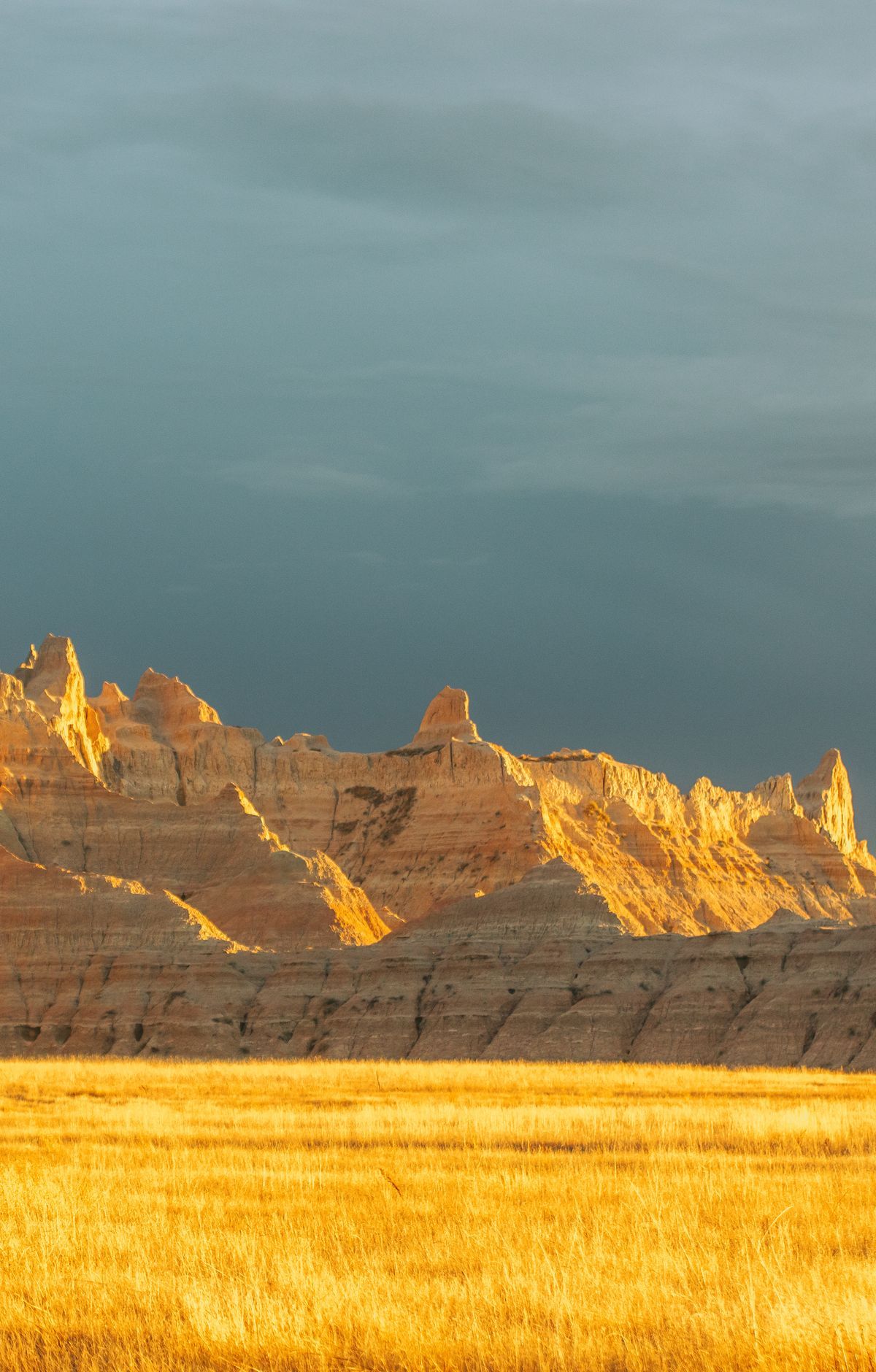
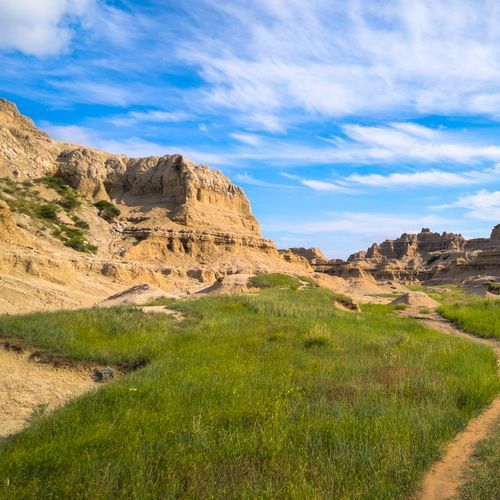
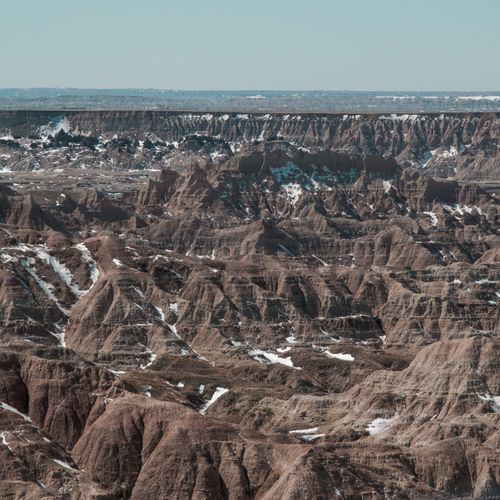
The label fits the conditions. Summers bring dry heat, winters bring cold wind, and drinking water is scarce. Wind and rain have carved the clay-heavy soil into rough ground that is hard to travel across.
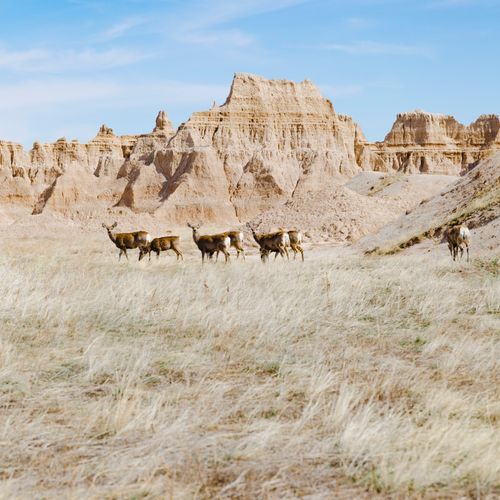
People have lived here for over 11,000 years, beginning with mammoth hunters. Nomadic groups later organized their lives around the bison herds. Records point to the Arikara as the earliest tribe living along the White River. By the mid-18th century, the Lakota, also called Sioux, had become the region's dominant people after acquiring horses from Spanish traders.
Their hold did not last. French fur trappers came first, followed by soldiers, miners, ranchers, and homesteaders who changed the prairie. The conflict lasted roughly four decades and culminated at Wounded Knee in 1890, after which the Lakota were placed on reservations. Cattle grazed where bison once roamed, and crop fields spread across the grassland.
The South Unit, also known as the Stronghold Unit, sits within the Pine Ridge Reservation and is co-managed with the Oglala Lakota Tribe. Ghost Dance sites from the 1890s can be found here. Red Shirt Table, at 3,340 feet, is the park's high point. The White River Visitor Center, the main facility in this unit, has exhibits on the Pine Ridge Indian Reservation. The Red Shirt Table Overlook offers both a wide view over the Stronghold Unit and a hike.
Federal control of land once home to the Oglala Lakota remains disputed. Supporters argue that sacred Native American land should not be held and run by the government. Steps have begun toward reserving part of the South Unit for the tribe. The plan would create jobs and return ownership to people forced off the land during America's Manifest Destiny. The Tribal National Park remains a proposal.