Big Bend National Park guide · 1 min read
Volcanoes, Ancient Seas and Dinosaur Fossils
Big Bend's rock layers hold a record of a time when the region lay beneath a warm sea. About 135 million years ago, the area was underwater, and its fossils include sharks, marine reptiles such as plesiosaurs, and the remains of larger mollusks.
Between 85 and 82 million years ago, warm waters covered the land, and sharks, small mosasaurs and fish such as Xiphactinus moved through them. Spiral-shelled ammonites were common in those waters as well.
Later, the land became a mosaic of deltas. When water levels fell between 83 and 72 million years ago, herds of hadrosaurs, horned ceratopsids and armored nodosaurs lived there alongside tyrannosauroids. Among the notable finds is Alamosaurus, a giant sauropod. Barnum Brown and Roland Bird uncovered its neck vertebrae in 1940. A mass extinction around 66 million years ago wiped out all non-bird dinosaurs.
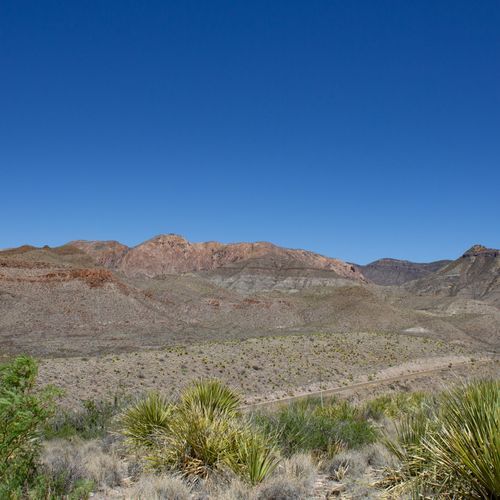
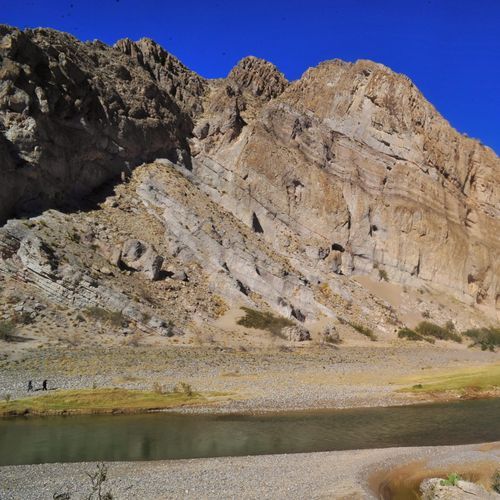
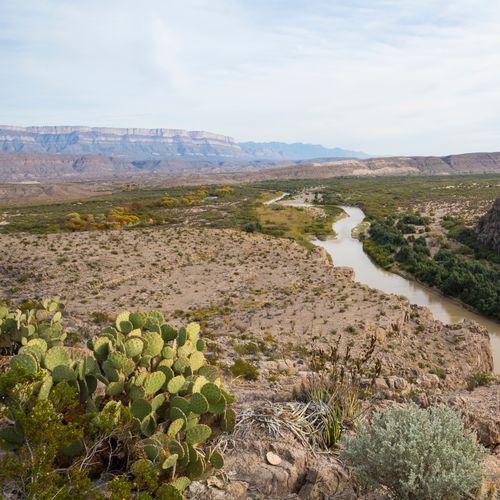
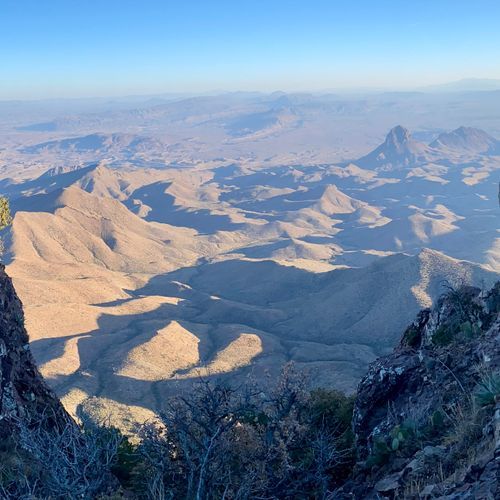
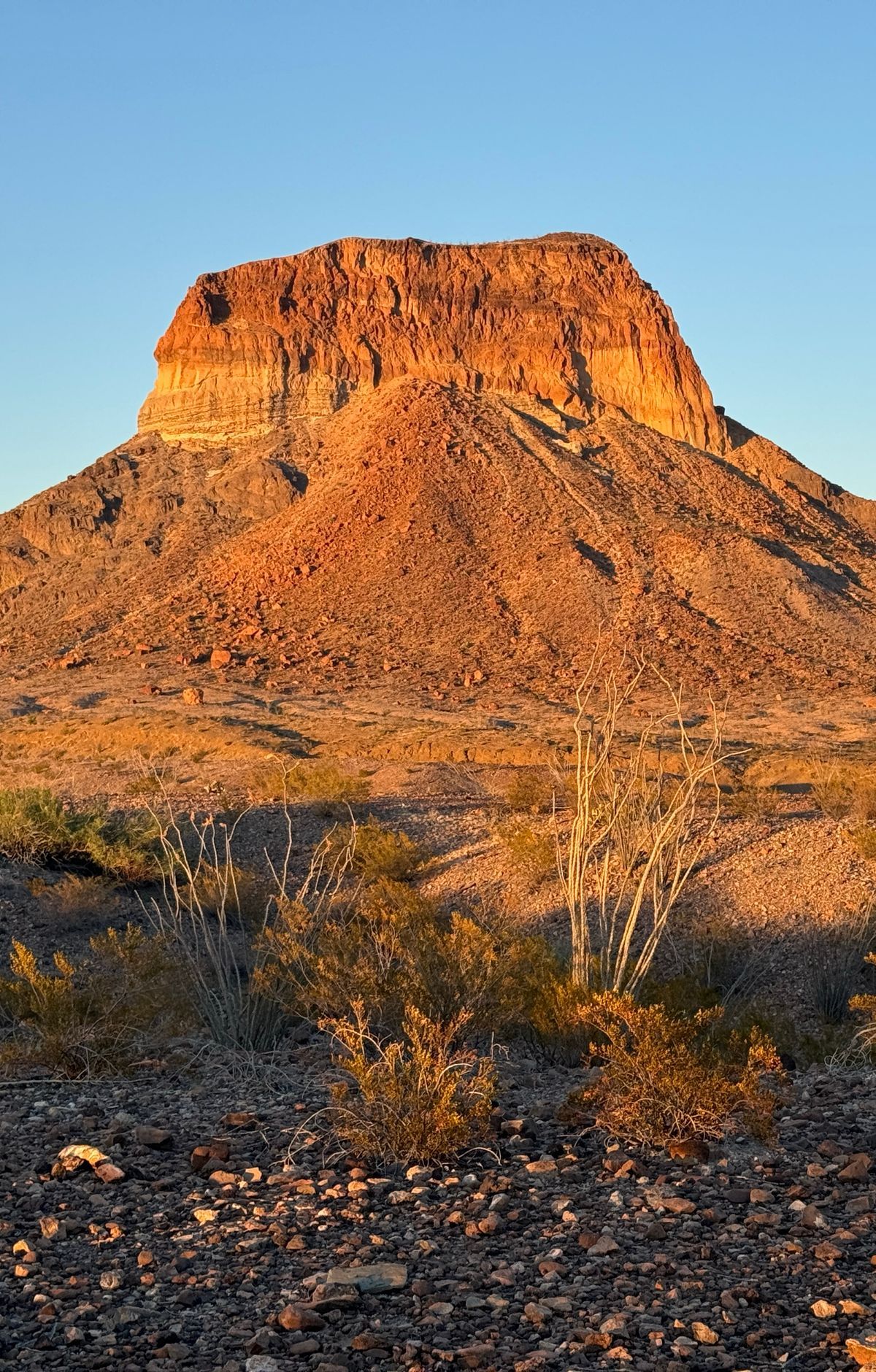
Over millions of years, the landscape took its shape from volcanic activity, erosion and seismic events. Limestone beds, including the Glen Rose and Santa Elena, were laid down between the Triassic and Cretaceous periods as the Gulf of Mexico opened. Later, the Rio Grande cut through that limestone to form canyons, and Santa Elena Canyon is among them.
The Fossil Discovery Exhibit spans 130 million years, and it uses real specimens and detailed artwork to show how the plants and animals here changed. A short trail also reaches a viewpoint over nearby rock formations and the sediments that protect the park's fossils. The redesigned exhibit opened in 2017.
Paleontology here began as early as 1907, when Johan Udden discovered shark and ammonite fossils. From 1938 to 1939, a small crew worked three fossil quarries in the park, and the first fossil museum was destroyed by fire in 1941. Collecting fossils legally in the park today requires a permit.