Biscayne National Park guide · 2 min read
Boating Safety in Biscayne's Shallow Waters
Ninety percent of visitors reach Biscayne National Park by boat, and with more than 250 square miles of water, boating is the main way to explore it.
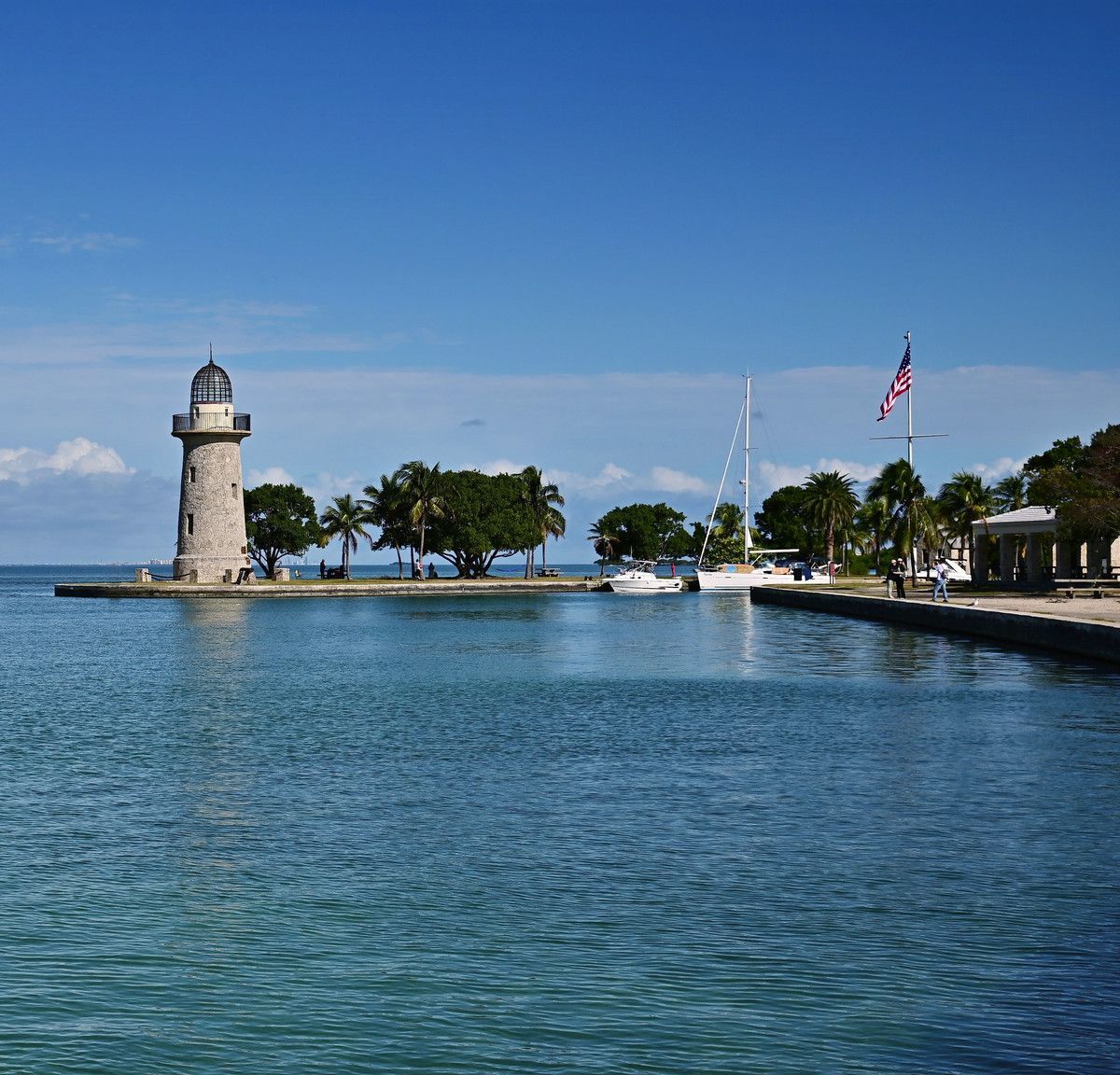
Boat traffic can be heavy, since the park sits beside a major metropolitan area. Stay alert and keep a proper lookout, hold a speed that suits conditions, wear a lifejacket, and keep alcohol in check. If you spot a divers down flag, stay at least 300 feet away or slow down as you pass.
Much of the park is shallow, so water depth deserves close attention. Keep an eye on the depth under your hull so you don't run aground. Tide predictions matter here too, so check them before you go. Nautical charts are sold at marine stores and online, and chart 11451 covers park waters.
Follow slow speed zones wherever they apply. Mooring buoys offer a convenient place to tie up, and they protect coral reefs by keeping anchors, ropes and chains off the coral. The buoys are hard white plastic spheres around 18 inches wide, and many sit beside popular reefs.
As you near a buoy, slow to idle, steer clear of shallow areas, and keep an eye out for people swimming or snorkeling nearby. Run your bow line through the loop and fasten both ends to the front cleat, using a longer line in rough seas or on a large boat. Check in the water that the buoy is holding firm. Buoys can be damaged or missing when you arrive, so bring a backup plan.
Boaters can launch from marinas at Homestead Bayfront, just south of the Dante Fascell Visitor Center, Black Point on the mainland, Matheson Hammock at the northern end, and Crandon on Key Biscayne near Stiltsville. Separate guidance covers Columbus Day weekend, so read it before planning a visit then. Personal watercraft, such as jet skis and waverunners, are prohibited.