
Biscayne National Park guides
11 in-depth guides to Biscayne National Park, in reading order: what to see, how to get around, and what to know before you go. Back to the Biscayne National Park overview.
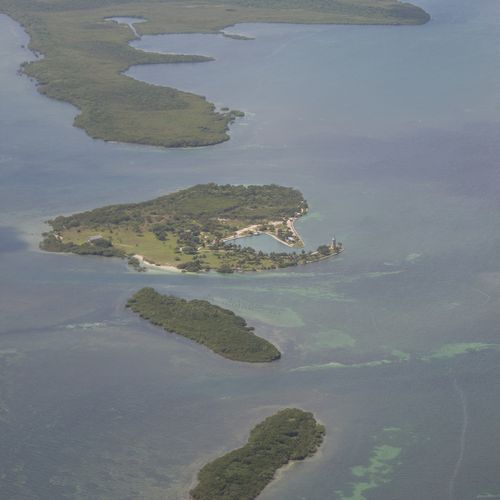
No Boat, No Park: Getting Around Biscayne
Most of Biscayne is water, roughly 95 percent of its area, so a boat is how nearly everyone gets around.
Dry Season, Mosquitoes and Hurricane Months
Biscayne has a subtropical climate, and sunny days are typical in every season. From November through April, the dry season brings cooler air than summer, though it never turns truly cold.
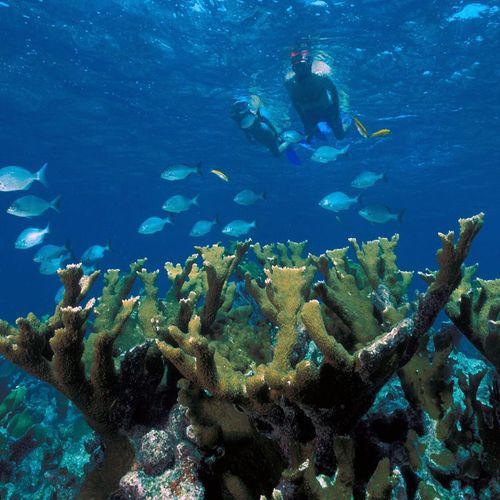
Snorkeling the Northern Florida Reef Tract
Roughly 95 percent of Biscayne National Park is water, so time on the water is the best way to see it.
Boating Safety in Biscayne's Shallow Waters
Ninety percent of visitors reach Biscayne National Park by boat, and with more than 250 square miles of water, boating is the main way to explore it.
Crossing Biscayne Bay by Kayak to the Keys
Biscayne Bay is shallow and clear, and most of Biscayne National Park is open water rather than land.
Four Ecosystems from Mangroves to Reef
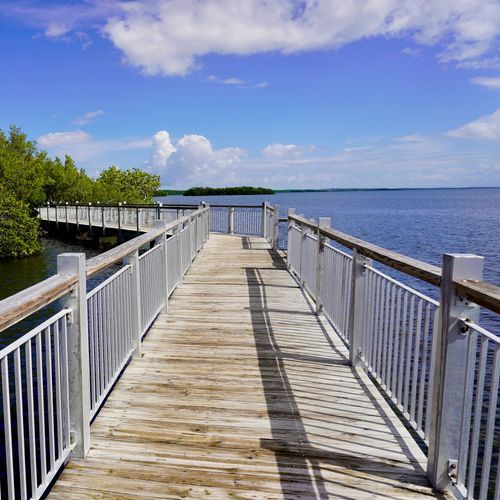
The mangrove forest along the park's mainland shore is the longest stretch of its kind on Florida's eastern seaboard.
Shell Middens and 10,000 Years Underwater
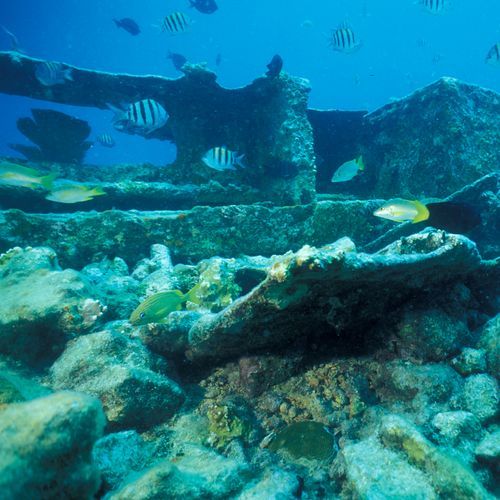
The earliest evidence of people in Biscayne National Park dates to about 2500 years ago, when the Glades culture left heaps of conch and whelk shells behind.
Island Camping Fees, Cash Kiosks and Pet Rules
Camping on the islands in Biscayne National Park means paying two separate fees for an overnight stay: one for docking your boat and one for your campsite.
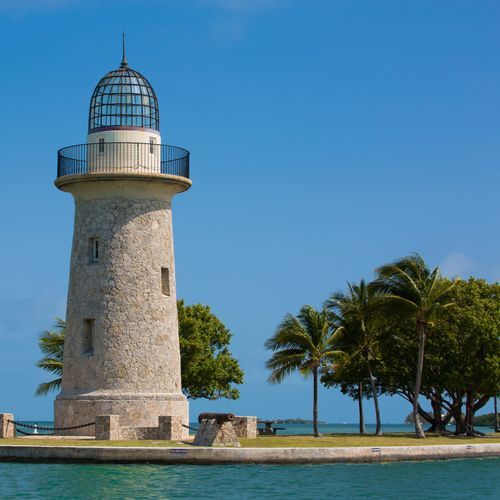
Boca Chita Key: Harbor Camping and Lighthouse
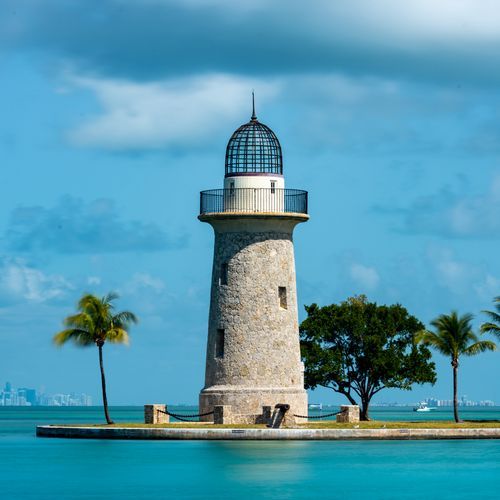
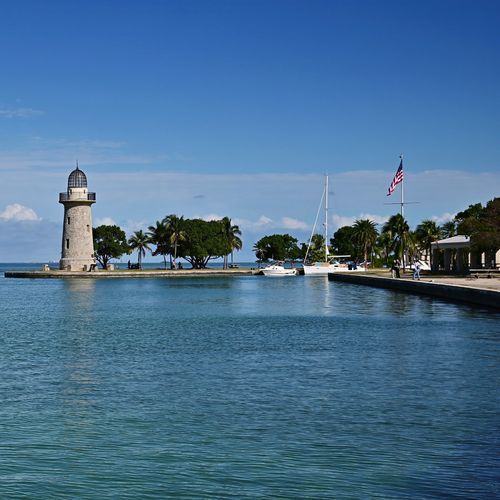
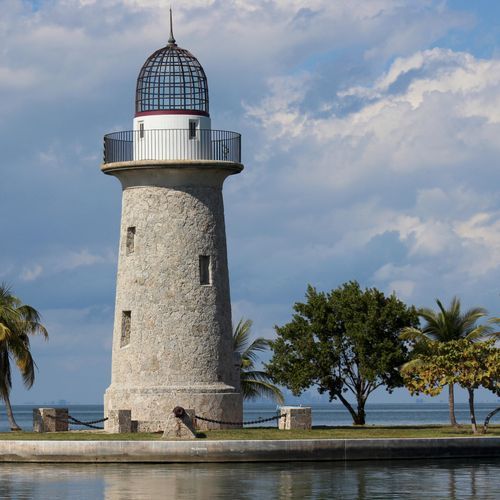
Boca Chita Key is the most visited island in Biscayne National Park, and many people first spot its ornamental lighthouse as they near the entrance to the harbor.
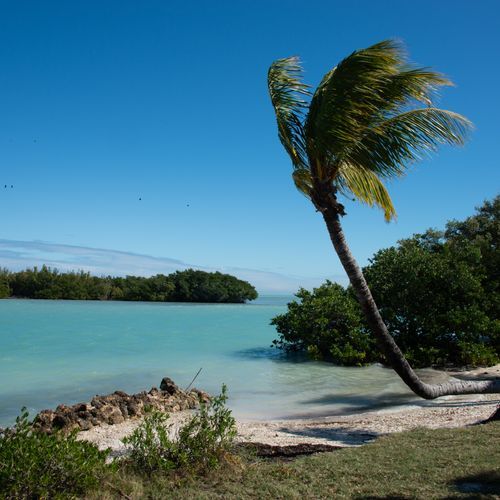
Elliott Key: Camping, Pets and Cold War Secrets
Elliott Key is the largest island in Biscayne National Park. It was once a thriving community of pioneers who grew pineapples, harvested sponges and salvaged wrecks from the surrounding reefs.
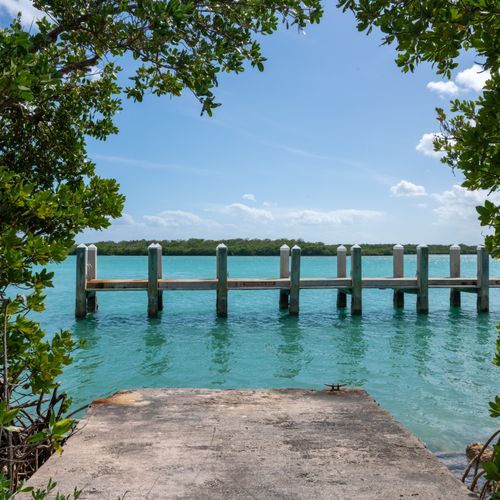
Adams Key and the Presidents' Cocolobo Club
Adams Key sits on the northern side of Caesar Creek. Today it is a day-use area, but it is best known as the former home of the Cocolobo Club, a retreat that drew notable guests.
