Biscayne National Park guide · 1 min read
Four Ecosystems from Mangroves to Reef
The mangrove forest along the park's mainland shore is the longest stretch of its kind on Florida's eastern seaboard.
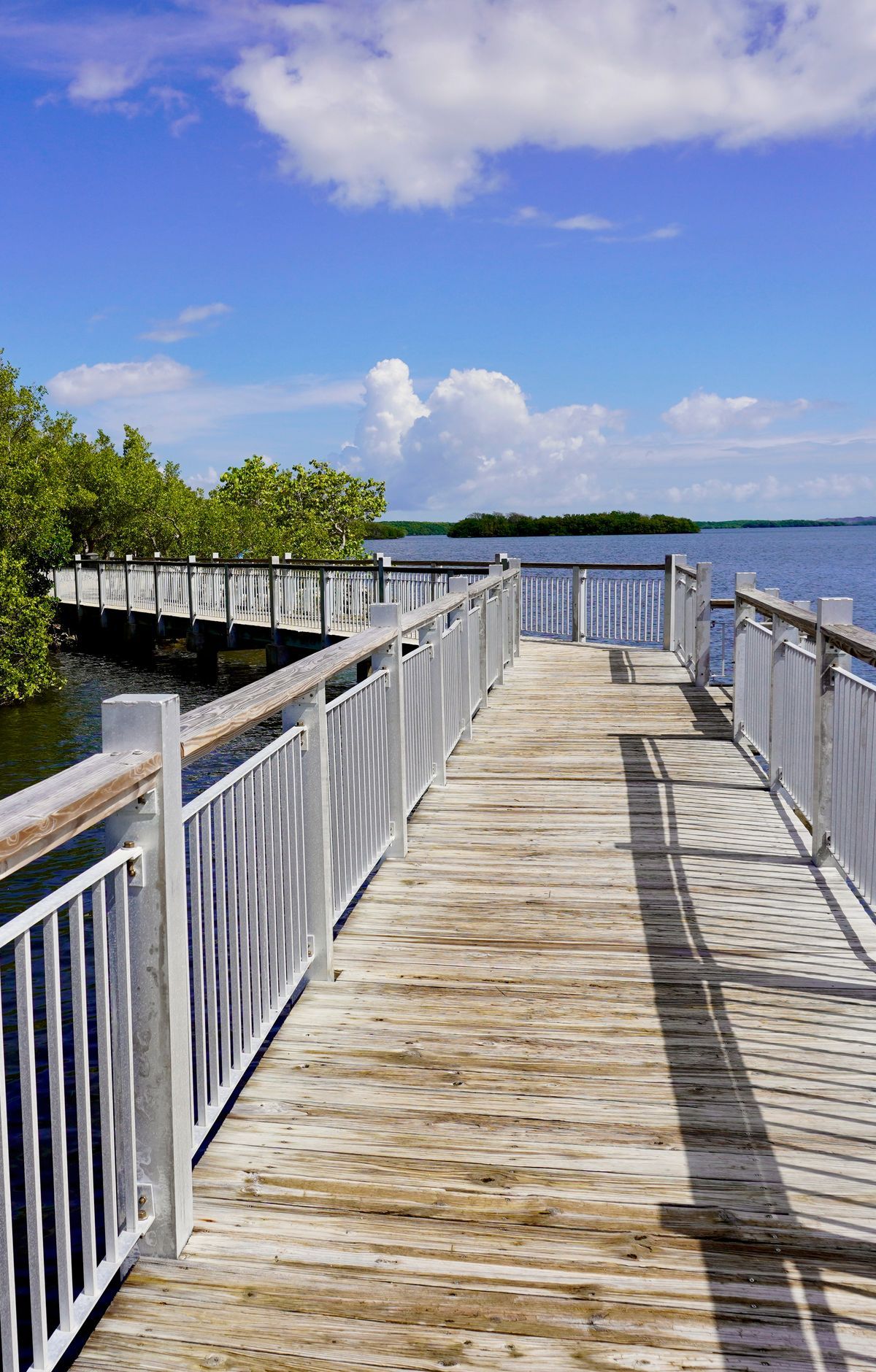
It forms a narrow band of trees where land gives way to water. It is one of four main ecosystems in the park, and it sets the stage for the bay just beyond.
The southern section of Biscayne Bay is shallow water under the park's protection, and it forms the second of those ecosystems. Seagrass beds are a key part of the bay. They are very productive, give small fish and invertebrates a place to grow up, and supply food to many kinds of animals.
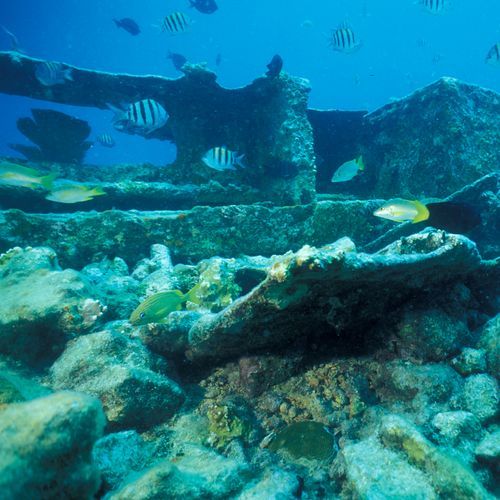
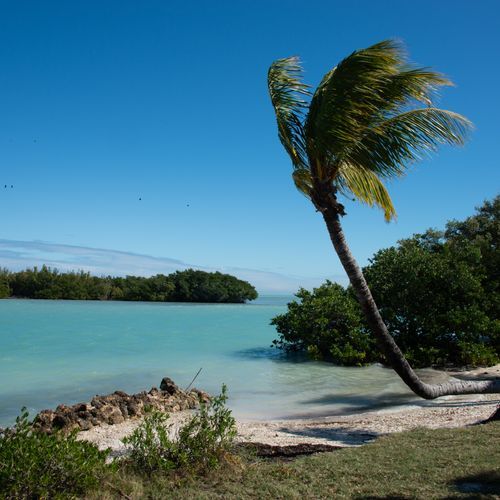
Farther east lie the northernmost islands of the Florida Keys, including Elliott Key and Totten Key. The name traces back to the Spanish cayo, a word for a small island, and these islands took shape on top of coral reefs. Beyond them, the Atlantic side of the park holds a living coral reef where more than 200 species of fish make their home.
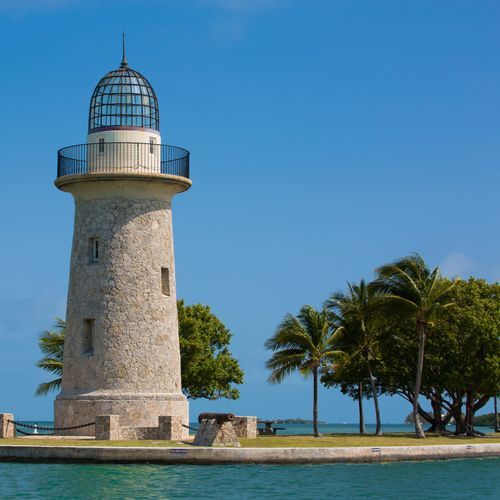
Snorkeling offers an up-close look at the reef. Trips run by the Biscayne National Park Institute include snorkeling at Anniversary Reef and at a shipwreck on the Maritime Heritage Trail, and its cruises sail to Boca Chita Key. Boca Chita Key is the island visitors head to most often in the park. Manatees can be seen in park waters, and green and hawksbill sea turtles are among the animals visitors may spot. Loggerhead turtles are also commonly observed there.