Biscayne National Park guide · 2 min read
Shell Middens and 10,000 Years Underwater
The earliest evidence of people in Biscayne National Park dates to about 2500 years ago, when the Glades culture left heaps of conch and whelk shells behind.
Later, the Tequesta people lived on the shores of Biscayne Bay. Their diet relied on fish and other sea life, and they did not practice significant farming.
Human history here stretches back even further, to about 10,000 years ago. Native Americans inhabited lower Florida at that time, when sea levels were low and the bay held far less water. Beginning around 4000 years ago, the water rose and covered the bay. Researchers think whatever those early people left now lies beneath the water, because no such traces remain on the park's dry land. The Cutler Fossil Site, just west of the park, has evidence of human occupation reaching back at least 10,000 years.
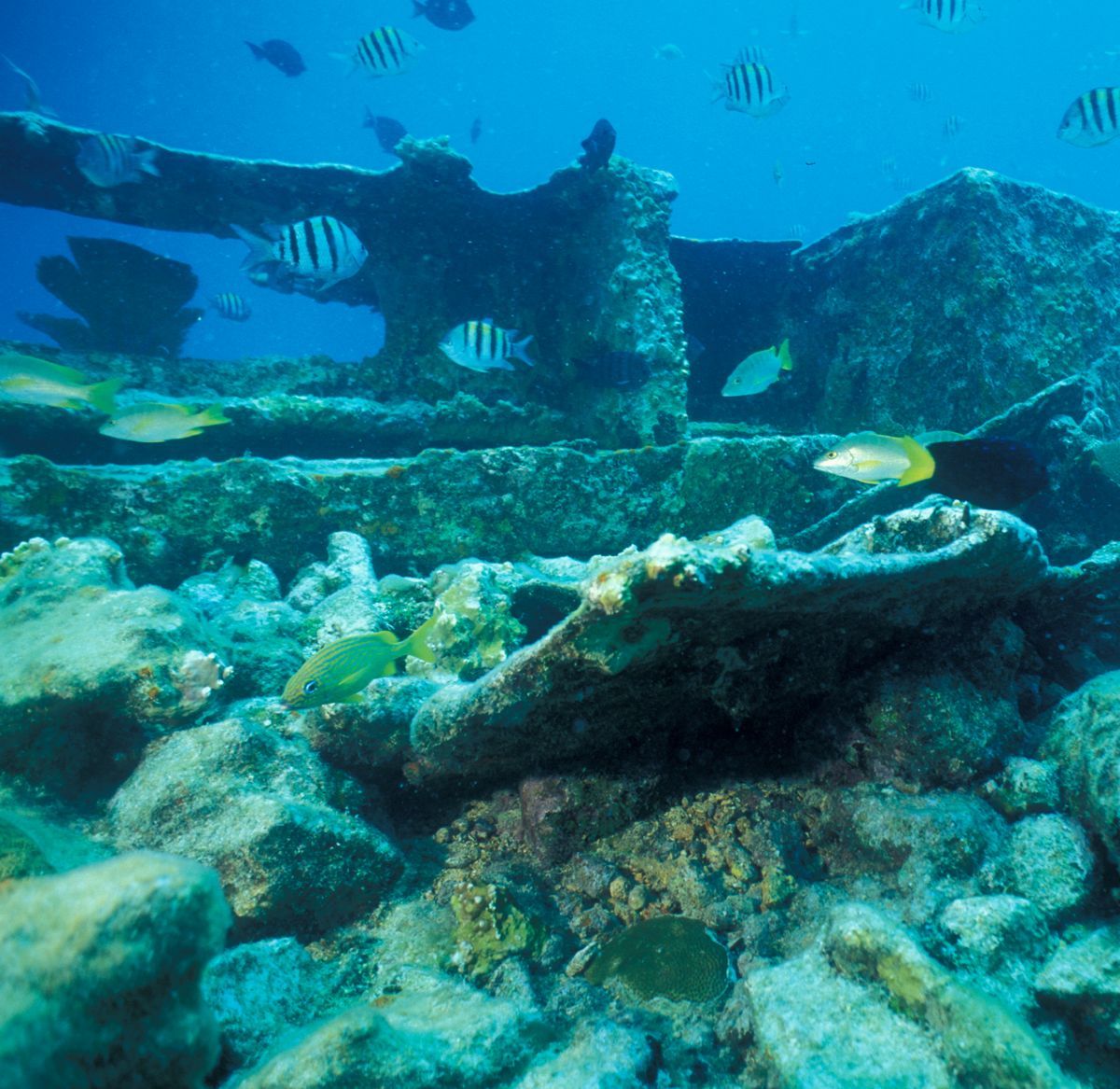
Some of this history now lies in shallow water where visitors can see it. The Maritime Heritage Trail takes in six wrecks in the park's shallow waters and can be enjoyed by snorkelers or divers. Within the National Park Service, no other trail is quite like it, since it is an underwater archaeological one. Many of the wrecks date back to the late 1800s into the early 1900s. The schooner Mandalay, which went down in 1966, sits in shallower water and draws many snorkelers, while the Alicia, Erl King and Lugano lie deeper and suit scuba divers better.
Many visitors come to snorkel or scuba dive above the offshore reefs. Ships struck those reefs so often that the seabed holds many wrecks. Park rangers lead snorkeling tours to a handful of them. The Biscayne National Park Institute runs half day and full day tours that include snorkeling, hiking, paddling and sailing, departing from park headquarters. Visitors can spot manatees, green sea turtles and sponges in the park.